



Industrial RFID Tags for Raw Material and Production Tracking
Manufacturing operations involve the continuous movement of raw materials, components, work-in-progress products, and finished goods. As production volumes increase, keeping track of every item can become increasingly difficult, particularly when inventory information depends heavily on manual recording and barcode scanning.
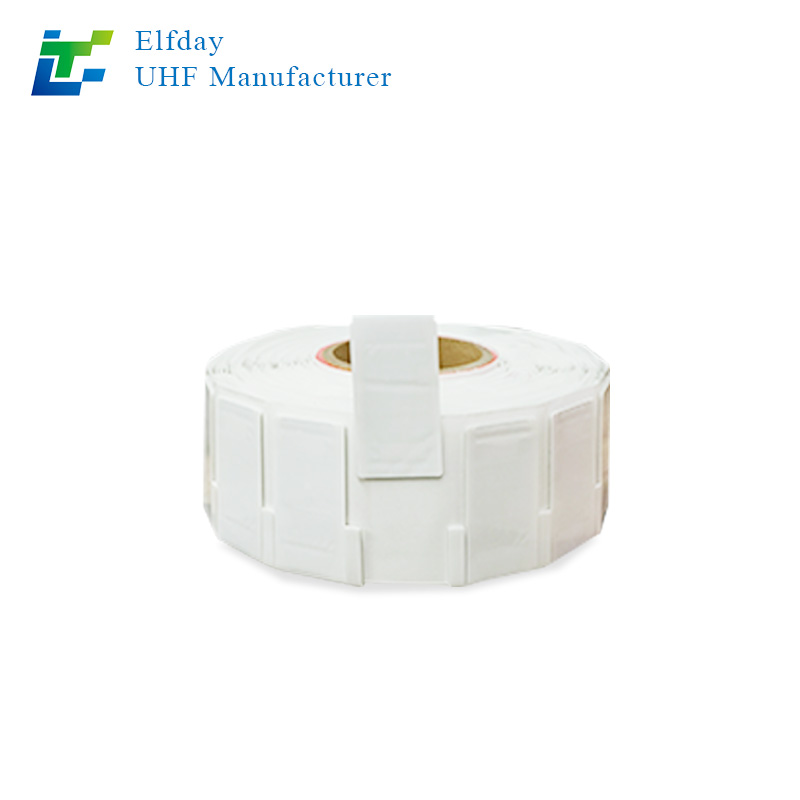
Industrial RFID tags provide manufacturers with a practical way to identify and track materials throughout the production process. By assigning a unique digital identity to physical items, RFID technology can improve production visibility, simplify material tracking, and help reduce the amount of manual work required on the factory floor.
Why Use Industrial RFID Tags in Manufacturing?
A modern manufacturing facility may have thousands of materials and products moving between warehouses, production lines, assembly stations, inspection areas, and finished goods storage.
Traditional tracking methods often require employees to scan barcodes or manually record the movement of materials. While these methods can work for smaller operations, they can become time-consuming when large quantities of items need to be identified.
Industrial RFID tags can automate part of this identification process.
RFID readers can detect tagged items without requiring the same direct line of sight needed for traditional barcode scanning. Depending on the RFID system and operating environment, multiple tags can also be identified during a single reading process.
This can help manufacturers improve the efficiency of material receiving, production tracking, inventory checks, and finished goods management.
Tracking Raw Materials from Receiving to Production
Raw materials are the starting point of the manufacturing process. They may include metal components, plastic parts, electronic components, packaging materials, or other production inputs.
When materials arrive at a facility, industrial RFID tags can be used to give pallets, containers, boxes, or individual items a unique identity.
Once identified, these materials can be tracked as they move from receiving areas into storage and eventually to the production floor.
This provides manufacturers with better visibility into:
- What materials have been received
- Where materials are stored
- Which materials have been issued to production
- How materials move between production areas
- Which materials remain available for future production
Improved material visibility can make it easier for production teams to locate the right components when they are needed.
Industrial RFID Tags for Component Tracking
Manufacturing often involves hundreds or thousands of individual components. Keeping accurate records of these components can be challenging when they are frequently moved between storage areas, workstations, and assembly lines.
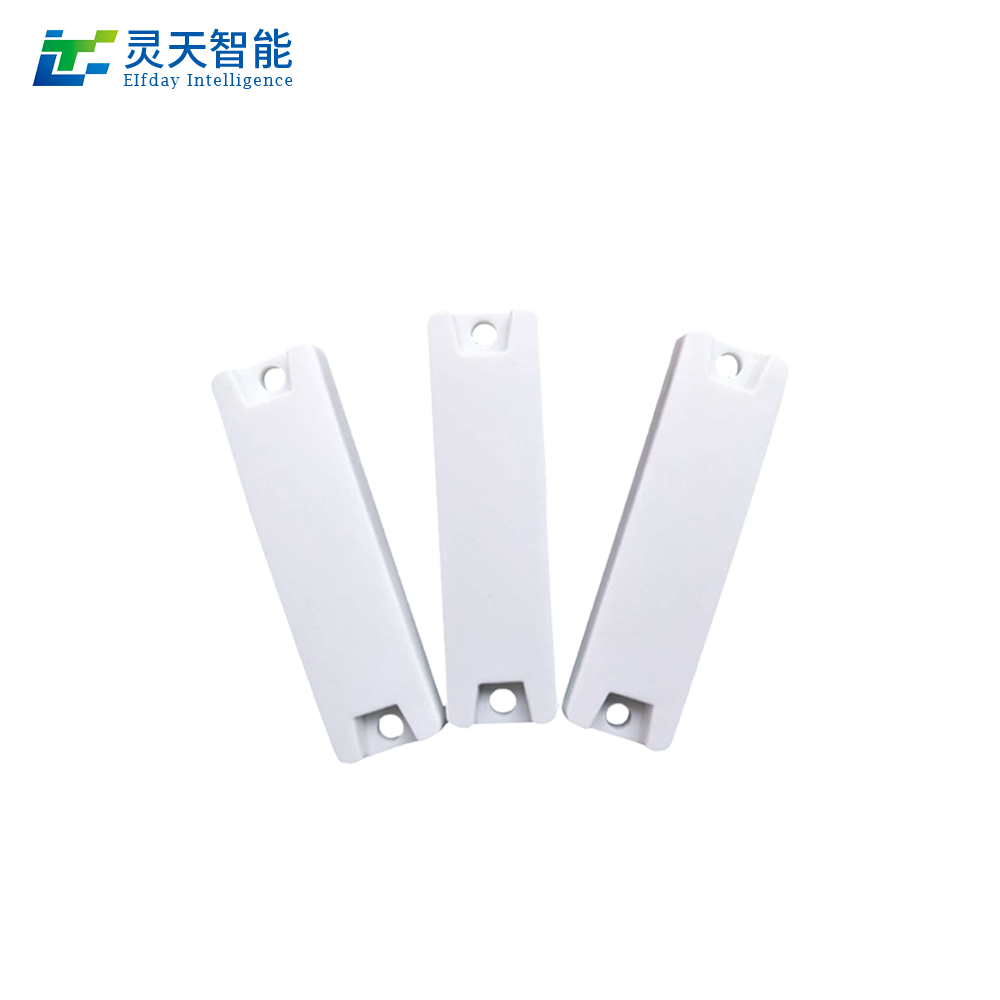
Industrial RFID tags can be attached to component containers, trays, bins, racks, or suitable individual parts.
As components move through the factory, RFID readers can capture their identification information and connect the physical items with digital production records.
This can help reduce the need for employees to manually record every movement.
For manufacturers with high-volume production environments, automated identification can also help improve the consistency of inventory information.
Improving Work-in-Progress Tracking
Work-in-progress, often referred to as WIP, represents products that have entered production but are not yet finished.
WIP tracking can be particularly challenging because products may move through several production stages before completion. An item may pass through machining, assembly, testing, inspection, and packaging areas.
Industrial RFID tags can provide each work-in-progress item, container, or production batch with a unique identity.
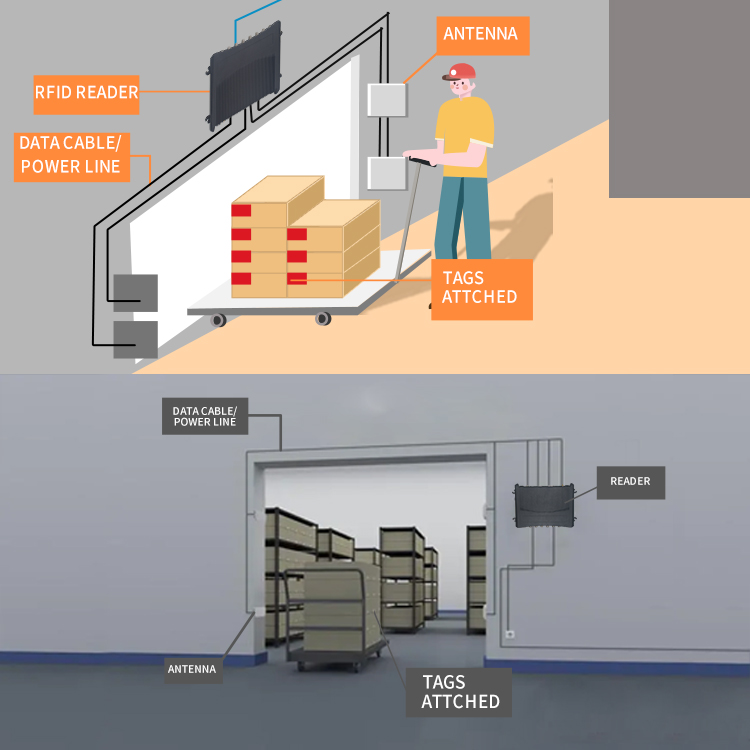
RFID readers placed at key points can then identify items as they move through different production stages.
This can help manufacturers understand:
- Where a product is in the production process
- Which production stage has been completed
- Which items are waiting for the next process
- How long products remain at different stages
- Whether materials are moving according to the production schedule
Better WIP visibility can help production teams identify delays and improve overall process management.
Tracking Finished Goods
The tracking process does not end when manufacturing is complete.
Finished products may need to move from the production line to inspection, packaging, warehouse storage, and finally shipping. Each movement represents an opportunity for inventory information to become outdated.
Industrial RFID tags can be used to identify finished goods, cartons, pallets, or shipping containers.
At the warehouse stage, RFID readers can help identify finished products and confirm their movement into storage. Before shipment, RFID identification can also support order verification and shipping processes.
This creates a continuous tracking process from production completion to warehouse storage and distribution.
Reducing Manual Tracking Work
One of the key advantages of RFID technology is its ability to reduce repetitive manual identification.
With traditional processes, workers may need to scan individual barcodes, enter information into a system, or manually record material movements.
These tasks take time and can introduce human error.
Industrial RFID tags allow manufacturers to automate more of the identification process. RFID readers can capture tag information when items pass through designated reading areas or when workers use handheld RFID equipment.
The goal is not necessarily to eliminate employees from the process. Instead, RFID can reduce repetitive identification tasks and allow workers to spend more time on production, quality control, and other higher-value activities.
Supporting Production Inventory Management
Accurate inventory information is essential for maintaining a smooth manufacturing operation.
If a production team cannot quickly determine how much material is available or where components are located, production schedules can be affected.
Industrial RFID tags can help connect physical inventory with digital records. Raw materials, component containers, WIP items, and finished goods can each be assigned unique identities within an RFID-enabled tracking system.
This can provide a clearer view of inventory throughout the factory rather than relying entirely on periodic manual checks.
More frequent and automated identification can also help manufacturers detect inventory discrepancies earlier.
Choosing Industrial RFID Tags for Manufacturing
Manufacturing environments can be demanding, so selecting the right RFID tag is important.
Several factors should be considered before implementing an RFID solution.
Operating Environment
Factories may expose RFID tags to dust, moisture, vibration, chemicals, temperature changes, and repeated handling. The tag should be suitable for the conditions in which it will be used.
Mounting Surface
The material on which an RFID tag is installed can affect RFID performance. Metal surfaces, in particular, may require tags designed specifically for mounting on metal.
Read Distance
The required read range depends on the application, reader type, antenna configuration, tag placement, and surrounding environment.
A warehouse receiving dock may require a different setup from a production workstation or storage area.
Tag Durability
For reusable production containers, pallets, racks, and tools, tags may need to withstand repeated use over an extended period.
Durable industrial RFID tags can help maintain reliable identification throughout the asset's service life.
Tag Size and Installation
The available mounting space should also be considered. A tag should be large enough to provide suitable RFID performance while remaining practical for the target item.
Integrating RFID with Manufacturing Systems
The greatest value of RFID comes when tag data is connected to the manufacturer's existing digital systems.
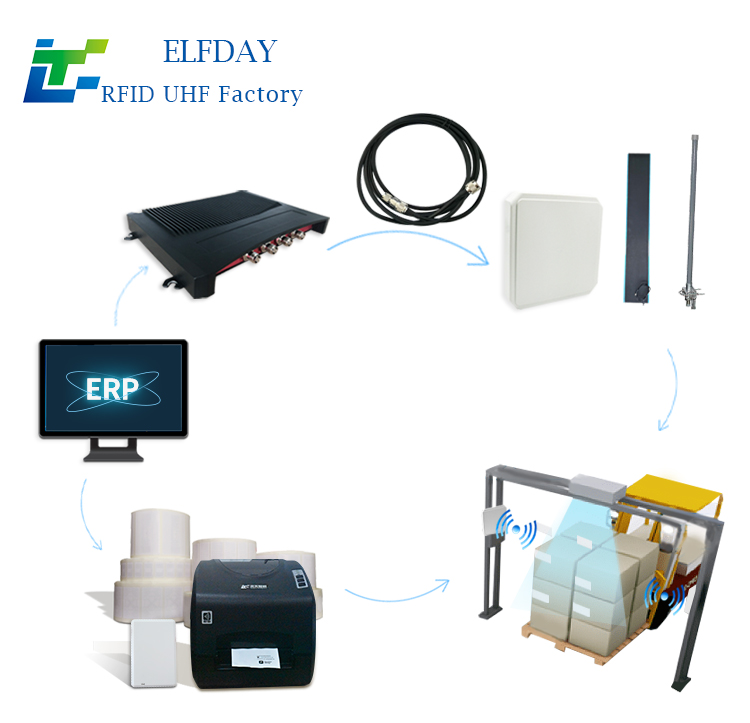
RFID readers can capture tag information, while software can associate that information with inventory, production, order, or asset records.
For example, when a tagged container reaches a production station, the system may identify the container and associate it with the relevant material or production order.
This creates a connection between physical movement and digital information.
When properly implemented, RFID can support more automated workflows and provide manufacturers with better visibility across their operations.
Building a More Visible Manufacturing Process
Manufacturing efficiency depends on knowing where materials and products are throughout the production process.
Industrial RFID tags provide manufacturers with a flexible way to identify raw materials, components, work-in-progress products, and finished goods. By combining RFID tags with readers and management software, businesses can reduce manual tracking and gain better visibility into material movement.
From receiving raw materials to shipping finished products, RFID can help create a more connected production environment.
For manufacturers looking to improve inventory visibility, streamline material handling, and reduce repetitive tracking tasks, industrial RFID tags can be an effective part of a modern production tracking strategy.