



RFID Labels Industrial for Reliable Asset Tracking in Factories and Warehouses
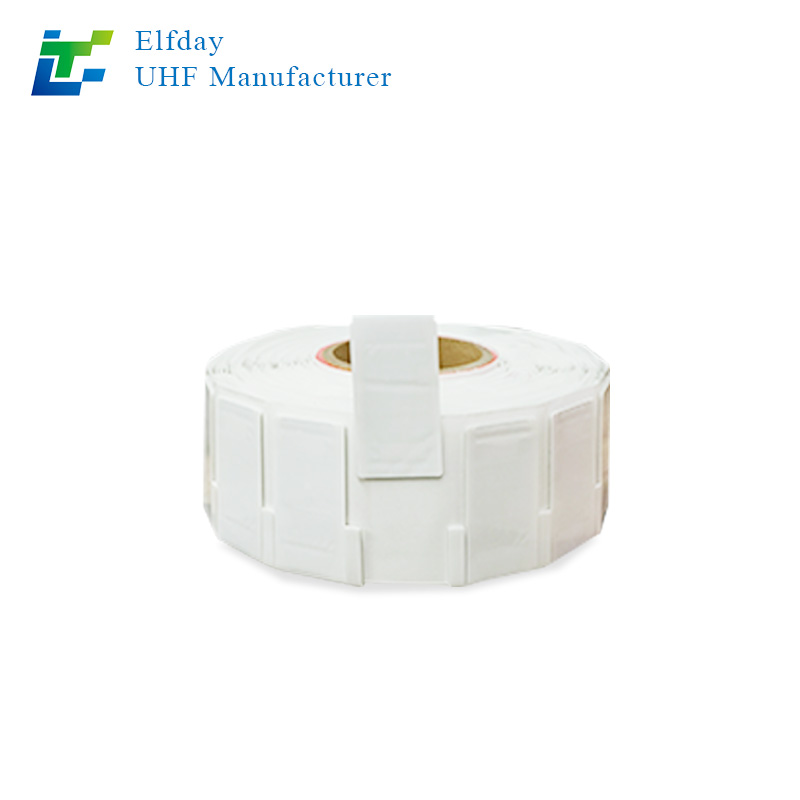
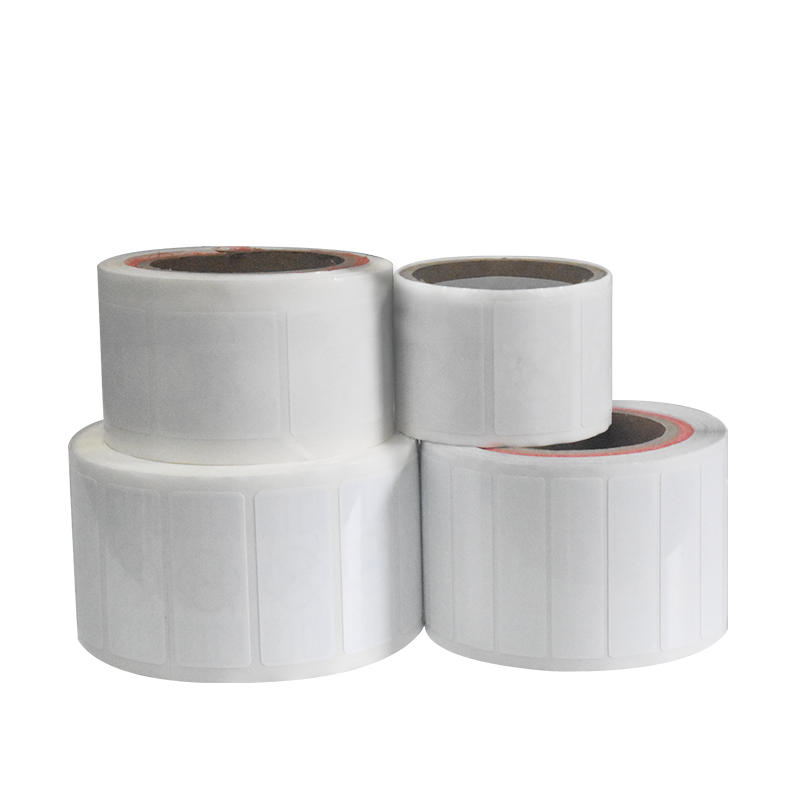
In modern industrial operations, accurate asset identification and real-time visibility are essential for improving productivity and reducing operational costs. RFID labels industrial are specially designed identification solutions that help businesses track tools, equipment, materials, pallets, and other valuable assets automatically.
Unlike traditional barcode labels that require direct scanning, industrial RFID labels use radio frequency technology to capture information quickly and efficiently. This allows workers to identify multiple items at the same time, even when assets are stored in large quantities or located in complex environments.
From manufacturing facilities and warehouses to logistics centers and construction sites, RFID labels industrial help organizations improve inventory accuracy, reduce manual processes, and maintain better control over valuable resources.
Why Use RFID Labels in Industrial Environments?
Industrial environments often involve challenging conditions, including dust, moisture, temperature changes, vibration, and frequent handling. Traditional identification labels may become damaged or unreadable over time, affecting asset management efficiency.
RFID labels industrial are designed for demanding applications and provide several key benefits:
Fast and Automated Identification
RFID technology enables quick data collection without requiring direct scanning of each label. Workers can identify multiple assets simultaneously, saving time and improving operational efficiency.
Reliable Asset Tracking
Businesses can monitor tools, equipment, components, and inventory throughout their lifecycle. This helps reduce asset loss and improves visibility across different locations.
Improved Inventory Management
Automated identification reduces manual counting errors and provides more accurate inventory information, helping companies maintain better stock control.
Durable Performance in Harsh Conditions
Industrial RFID labels can be manufactured to withstand challenging environments, including moisture, abrasion, chemicals, temperature variations, and outdoor exposure.
Applications of RFID Labels Industrial Across Different Industries
Manufacturing Equipment Tracking
Manufacturing facilities rely on a wide range of tools, machines, and production components. Poor asset visibility can lead to production delays and increased replacement costs.
By applying RFID labels industrial to equipment and components, manufacturers can quickly identify assets, track usage history, and improve maintenance planning.
Warehouse Inventory Management
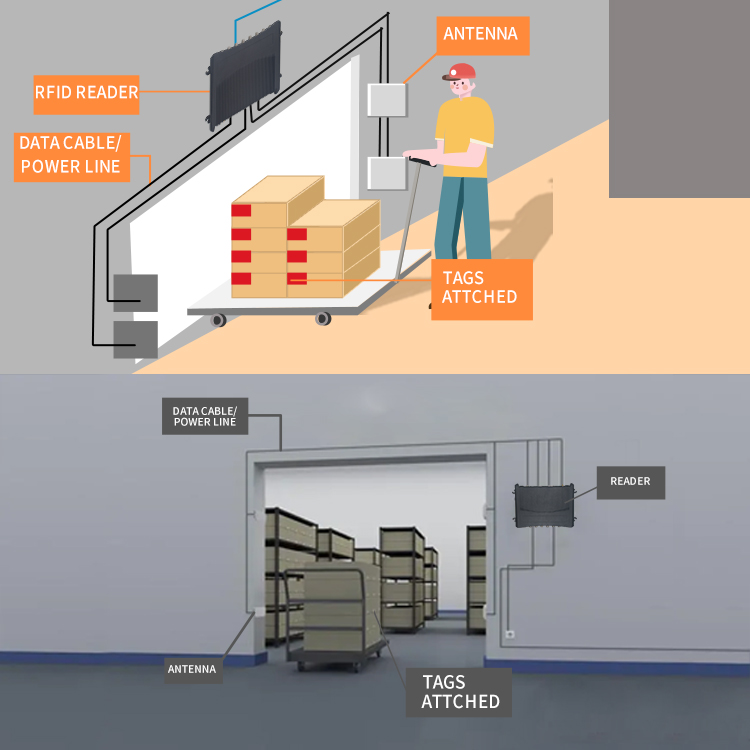
Warehouses manage thousands of products, pallets, and containers that move constantly between storage and shipping areas.
Industrial RFID labels help warehouse teams:
Locate inventory faster
Reduce manual inspection time
Improve stock accuracy
Optimize receiving and shipping processes
With automated tracking, warehouses can achieve higher efficiency and better inventory control.
Logistics and Supply Chain Tracking
Reusable transport assets such as pallets, bins, containers, and racks often move between multiple locations. Without effective identification, these assets can be difficult to manage.
RFID labels industrial provide better visibility throughout the supply chain, helping companies track asset movement, reduce losses, and improve returnable asset management.
Construction and Field Asset Management
Construction sites often involve expensive tools and equipment distributed across multiple locations. RFID labels help teams quickly identify and manage assets in demanding outdoor environments.
Common applications include:
Power tools
Machinery components
Safety equipment
Storage containers
Construction materials
Key Features of Industrial RFID Labels
Choosing the right RFID label depends on the application environment and tracking requirements. Important features include:
Strong Adhesion
Industrial assets may experience vibration, movement, and frequent handling. High-performance adhesive ensures RFID labels remain securely attached to different surfaces.
Resistance to Harsh Environments
For factories, warehouses, and outdoor applications, RFID labels should provide reliable performance against dust, moisture, heat, and physical wear.
Compatibility With Different Surfaces
Industrial RFID labels can be designed for various materials, including plastic, wood, metal, and industrial equipment surfaces.
Long-Term Data Reliability
Asset tracking requires labels that maintain stable performance and readability throughout the entire asset lifecycle.
RFID Labels Industrial vs Traditional Barcode Labels
Traditional barcode systems require direct line-of-sight scanning and usually involve identifying items one at a time. RFID technology provides a more efficient approach for large-scale industrial tracking.
| Feature | RFID Labels Industrial | Barcode Labels |
|---|---|---|
| Identification Method | Wireless radio frequency technology | Optical scanning |
| Multiple Item Reading | Supported | Usually not supported |
| Line-of-Sight Required | No | Yes |
| Tracking Efficiency | High | Moderate |
| Industrial Durability | Available for harsh environments | Depends on label material |
For businesses managing large amounts of equipment, inventory, and reusable assets, RFID labels provide a faster and more reliable identification solution.
How RFID Labels Improve Industrial Efficiency
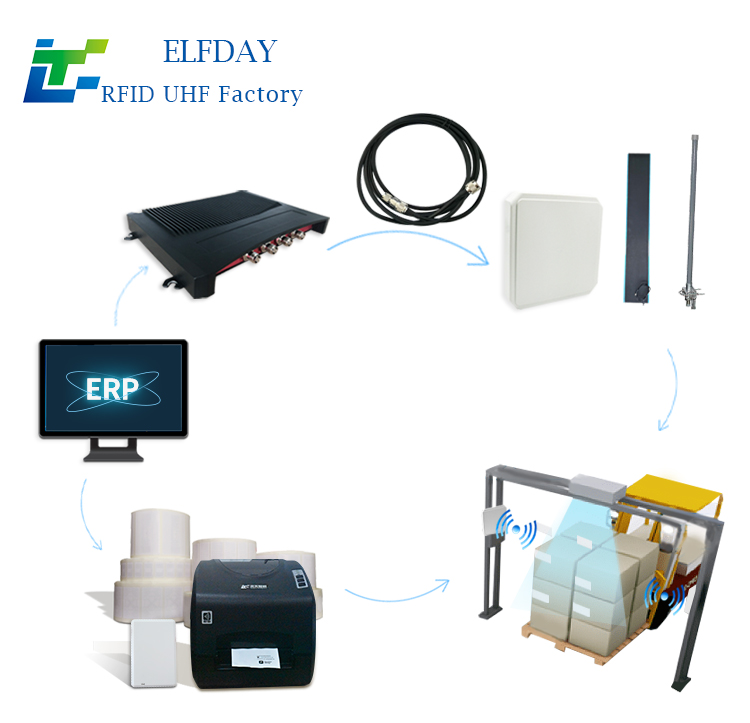
By integrating RFID labels into asset management systems, companies can create more automated and transparent workflows.
Key benefits include:
Faster inventory audits
Reduced manual operations
Lower risk of asset loss
Improved maintenance scheduling
Better supply chain visibility
More accurate operational data
As industries continue adopting automation and smart management systems, RFID-based identification technology is becoming increasingly important in manufacturing and logistics.
Choosing the Right RFID Labels Industrial Solution
The ideal RFID label depends on several factors, including:
Asset material and surface type
Indoor or outdoor application
Required reading distance
Environmental conditions
Compatibility with existing RFID systems
For basic warehouse tracking, standard RFID labels may meet requirements. However, factories, heavy equipment, and outdoor assets often require more durable industrial RFID labels designed for long-term performance.
RFID labels industrial provide a reliable and efficient solution for tracking tools, equipment, pallets, and assets in factories, warehouses, and logistics environments. With automated identification, improved accuracy, and strong durability, they help businesses reduce manual work and improve operational visibility.
As industrial operations continue moving toward automation and digital transformation, RFID labels will remain an important technology for smarter asset management, inventory control, and supply chain optimization.