



RFID Medical Equipment Tracking for Hospitals
Hospitals rely on hundreds or even thousands of medical devices every day. From infusion pumps and patient monitors to wheelchairs and portable diagnostic equipment, these assets are constantly moving between emergency rooms, intensive care units, operating rooms, patient wards, and storage areas.
Keeping track of every device can be difficult with manual records alone. RFID medical equipment tracking provides a more efficient way to identify, locate, and manage medical equipment throughout a healthcare facility. By attaching RFID tags to individual assets, hospitals can improve equipment visibility, simplify inventory management, and reduce the time staff spend searching for devices.
Why Hospitals Need Medical Equipment Tracking
Medical equipment is rarely kept in one fixed location. A device may be moved from a patient room to an operating room, transferred to another department, or placed in storage after use.
When equipment locations are not accurately recorded, several problems can occur:
- Staff spend valuable time searching for available equipment.
- Hospitals may purchase additional devices because existing assets cannot be located.
- Manual inventory checks become time-consuming.
- Equipment may be overlooked during maintenance or inspection.
- It can be difficult to determine how medical assets are being utilized.
An RFID-based tracking system can provide hospitals with better visibility into where tagged equipment is located and how it moves throughout the facility.
How RFID Medical Equipment Tracking Works
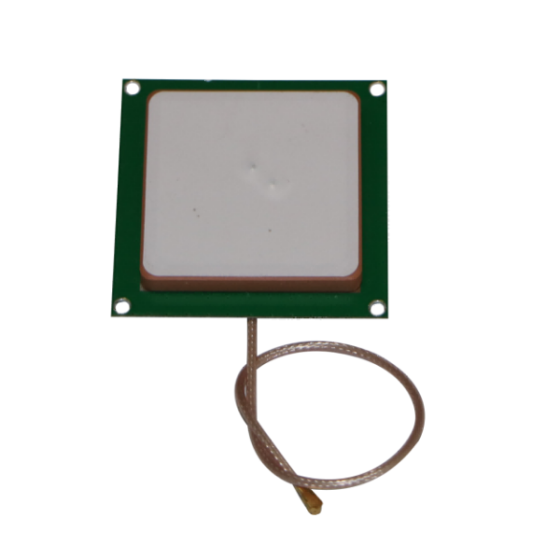
The process begins by attaching an RFID tag to each medical asset that needs to be tracked. Each tag contains a unique identification number that can be associated with information about the equipment, such as its type, department, location, maintenance status, or asset record.
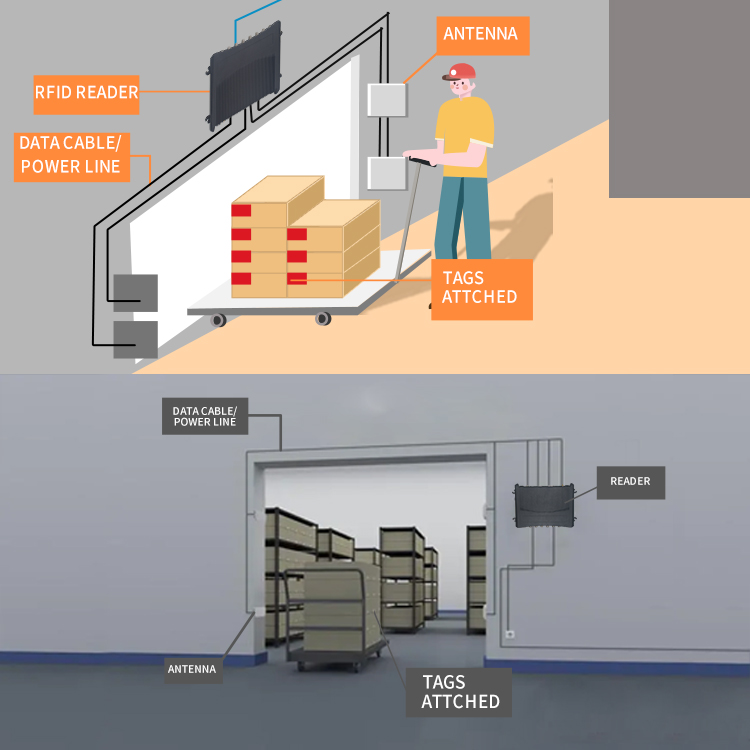
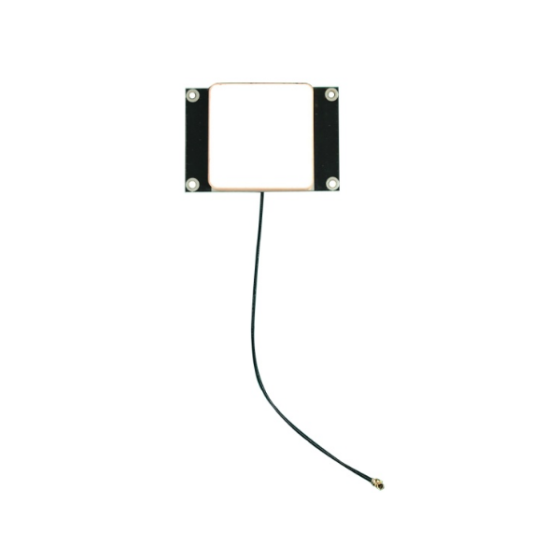
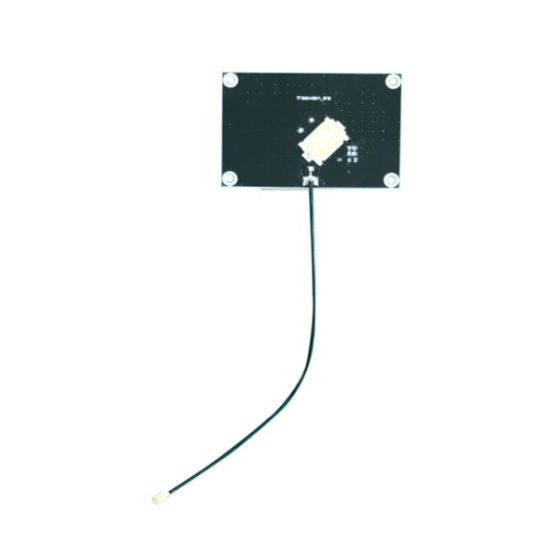
RFID readers installed at strategic locations can detect tagged equipment automatically. Depending on the system design, readers may be used around entrances, corridors, storage areas, treatment rooms, or other designated zones.
The basic workflow is straightforward:
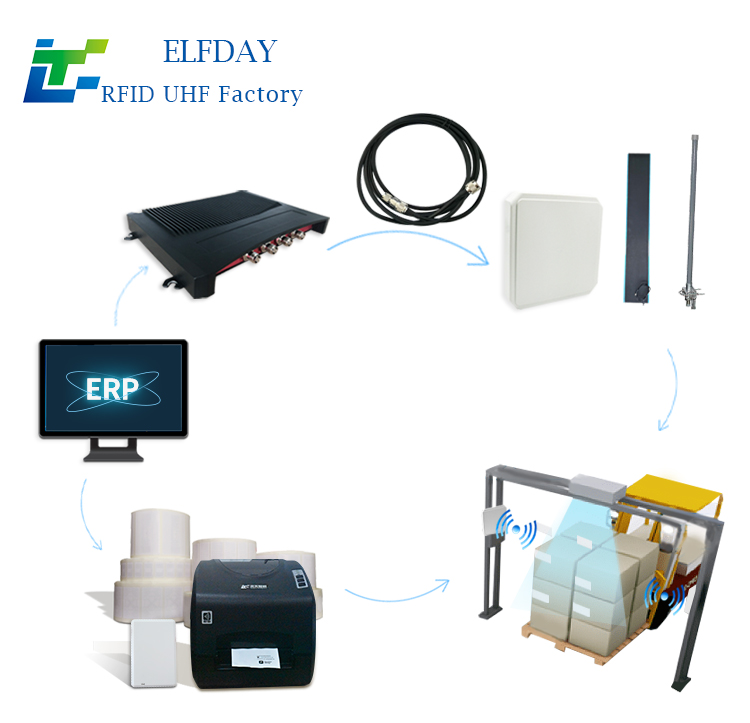
RFID Tag → RFID Reader → Identification Data → Tracking Software → Equipment Visibility
When a tagged device passes through a monitored area, the system can capture its identification information and update the relevant equipment record. This reduces dependence on manual scanning and provides a more automated approach to asset management.
Common Medical Equipment That Can Be Tracked
RFID medical equipment tracking can be applied to many types of hospital assets. Common examples include:
- Infusion pumps
- Patient monitors
- Wheelchairs
- Defibrillators
- Ventilators
- Anesthesia equipment
- Portable diagnostic devices
- Surgical equipment
- Medical carts
- Beds and stretchers
- Other mobile medical assets
The appropriate RFID tag depends on the equipment material, operating environment, attachment method, and required reading performance.
RFID Tracking Across Different Hospital Departments
Emergency Rooms
Emergency departments need equipment to be available quickly. RFID tracking can help staff locate wheelchairs, monitors, infusion pumps, defibrillators, and other mobile assets without relying entirely on manual searches.
Intensive Care Units
ICUs use a wide range of critical devices that may be moved between patient rooms and treatment areas. RFID tracking can provide better visibility of equipment locations and help staff identify available devices more efficiently.
Operating Rooms
Operating rooms require careful equipment preparation and coordination. Tracking surgical equipment, monitors, anesthesia devices, and other assets can help staff confirm equipment availability and improve workflow efficiency.
Patient Wards
Medical equipment is frequently shared between patient rooms and departments. RFID tracking makes it easier to identify where mobile assets were last detected and supports more efficient equipment allocation.
Storage Areas
Hospitals often keep spare or unused equipment in storage. Without accurate records, these assets can be difficult to locate. RFID can help maintain better visibility of stored equipment and simplify inventory checks.
Benefits of RFID Medical Equipment Tracking
1. Faster Equipment Location
One of the biggest advantages is improved equipment visibility. Instead of checking multiple rooms or departments manually, staff can use tracking information to determine where a tagged asset is located or where it was last detected.
2. Better Inventory Accuracy
Manual inventory processes can be slow and prone to errors. RFID technology helps automate equipment identification, making it easier to compare physical assets with digital records.
3. Reduced Equipment Search Time
Nurses, technicians, and other healthcare staff may spend considerable time looking for shared equipment. RFID medical equipment tracking can reduce unnecessary searching and allow staff to focus more on their primary responsibilities.
4. Improved Asset Utilization
Tracking equipment movement can provide useful information about how assets are being used. Hospitals can identify equipment that is frequently used, underutilized, or consistently located in particular departments.
5. More Efficient Maintenance Management
Medical devices require regular inspection and maintenance. Connecting RFID identification with equipment records can help staff associate individual devices with maintenance schedules and service histories.
6. Reduced Unnecessary Purchases
Hospitals may purchase additional equipment when existing assets cannot be found. Better asset visibility can help organizations determine what equipment they already have before making new purchasing decisions.
RFID vs. Manual Equipment Tracking
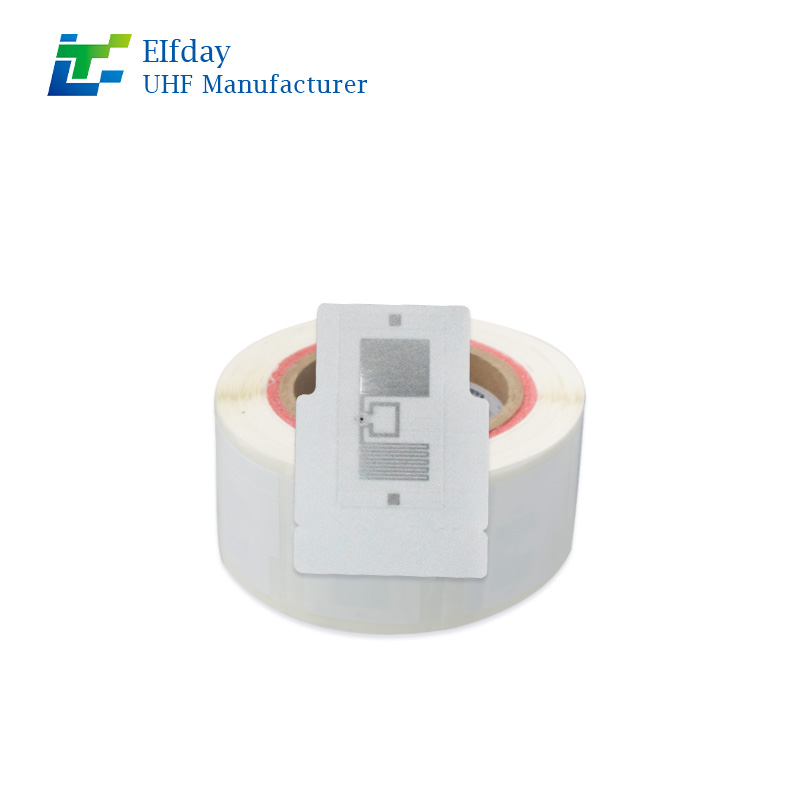
Traditional equipment management often depends on spreadsheets, paper records, barcode scanning, or manual checks. These methods can work for smaller inventories but become increasingly difficult as the number of assets grows.
RFID offers a more automated approach. Unlike systems that require staff to locate and scan each item individually, RFID readers can identify tagged equipment within their reading range.
| Feature | Manual Tracking | RFID Tracking |
|---|---|---|
| Equipment identification | Manual | Automated |
| Inventory checks | Time-consuming | More efficient |
| Asset visibility | Limited | Improved |
| Search workload | Higher | Lower |
| Tracking mobile assets | Difficult | More practical |
| Maintenance records | Often separate | Can be integrated |
| Large-scale asset management | Challenging | More scalable |
The right solution depends on the hospital's facility layout, equipment types, tracking requirements, and existing IT infrastructure.
Choosing RFID Tags for Medical Equipment
Not every RFID tag is suitable for every medical device. Hospitals should consider several factors before selecting tags.
Surface material: Plastic, metal, glass, and other materials can affect RFID performance.
Operating environment: Tags may need to withstand cleaning, disinfecting, temperature changes, moisture, or frequent handling.
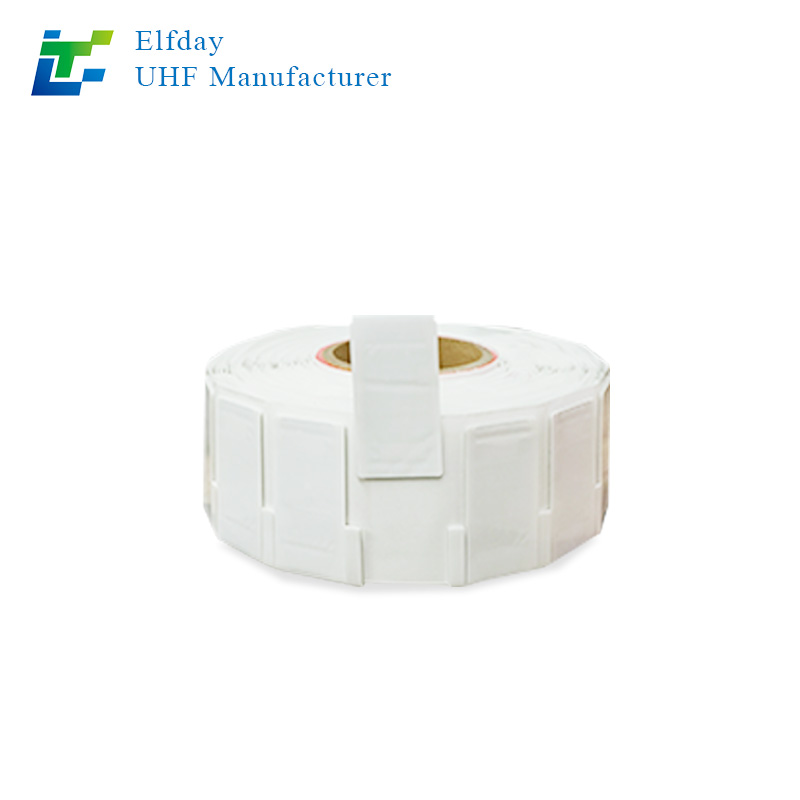
Attachment method: Adhesive tags, cable-tie tags, hard tags, and other formats may be suitable for different equipment.
Reading distance: The required read range depends on where RFID readers will be installed and how equipment needs to be identified.
Tag durability: Frequently moved equipment may require tags designed to withstand repeated handling and cleaning.
Selecting the right tag is essential for creating a reliable RFID medical equipment tracking solution.
Integrating RFID with Hospital Asset Management
RFID becomes more valuable when tracking data is connected to an asset management or hospital management system.
For example, a hospital could associate an RFID tag's unique ID with information such as:
- Equipment name and model
- Asset identification number
- Current department
- Equipment status
- Maintenance schedule
- Service history
- Purchase information
- Usage records
This creates a more complete digital record for each medical asset. Staff can then use tracking data together with existing equipment management processes instead of maintaining separate records.
Improving Hospital Efficiency with RFID
The value of RFID medical equipment tracking goes beyond simply knowing where equipment is located. Better asset visibility can support a broader approach to hospital resource management.
When hospitals know which devices are available, where they are located, and how frequently they are being used, they can make better decisions about equipment allocation and maintenance. Over time, tracking data can also reveal patterns that may help optimize equipment distribution between departments.
For busy healthcare environments, even small improvements in equipment management can make daily workflows more efficient.
Frequently Asked Questions
What is RFID medical equipment tracking?
RFID medical equipment tracking uses RFID tags and readers to identify and monitor medical assets. Each tagged device can be assigned a unique ID, allowing hospitals to improve equipment visibility and asset management.
What medical equipment can be tracked with RFID?
RFID can be used to track many mobile and high-value medical assets, including infusion pumps, patient monitors, wheelchairs, defibrillators, ventilators, medical carts, and portable diagnostic equipment.
Can RFID track equipment between hospital departments?
Yes. RFID readers can be installed at selected locations throughout a hospital to detect tagged equipment as it moves between departments, storage areas, and other monitored zones.
Does RFID replace hospital asset management software?
Not necessarily. RFID provides equipment identification and tracking data, while asset management software can store and organize information about equipment, maintenance, location, and usage. Integrating the two can create a more complete tracking workflow.
What should hospitals consider when choosing RFID tags?
Hospitals should consider the equipment's material, tag attachment method, cleaning environment, required reading distance, durability, and RFID frequency before selecting a tag.
RFID medical equipment tracking gives hospitals a practical way to improve the visibility and management of mobile medical assets. By tagging equipment such as infusion pumps, monitors, wheelchairs, and other devices, healthcare facilities can make it easier to locate assets, perform inventory checks, support maintenance, and understand equipment utilization.
As hospitals continue to manage increasingly complex equipment inventories, RFID can provide a more automated and scalable approach to medical asset tracking. The result is better equipment visibility, less time spent searching for devices, and more efficient day-to-day hospital operations.