



RFID Patient Tracking Solutions for Better Healthcare Management and Patient Flow
Modern healthcare facilities face increasing challenges in managing patient movement, reducing waiting times, and improving the efficiency of medical services. In hospitals, clinics, and emergency departments, healthcare teams need accurate and real-time information to optimize workflows and provide better patient care.
RFID patient tracking technology offers an advanced solution by using radio frequency identification to monitor patient locations, improve identification accuracy, and streamline healthcare processes. Through RFID-enabled wristbands and tracking systems, medical providers can manage patient admissions, monitor patient movement, and ensure timely medical services.
By improving visibility throughout the patient journey, RFID patient tracking helps healthcare facilities create a safer, faster, and more organized healthcare environment.
What Is RFID Patient Tracking?
RFID patient tracking is a healthcare management technology that uses RFID tags, readers, and software platforms to identify and monitor patients within medical facilities.
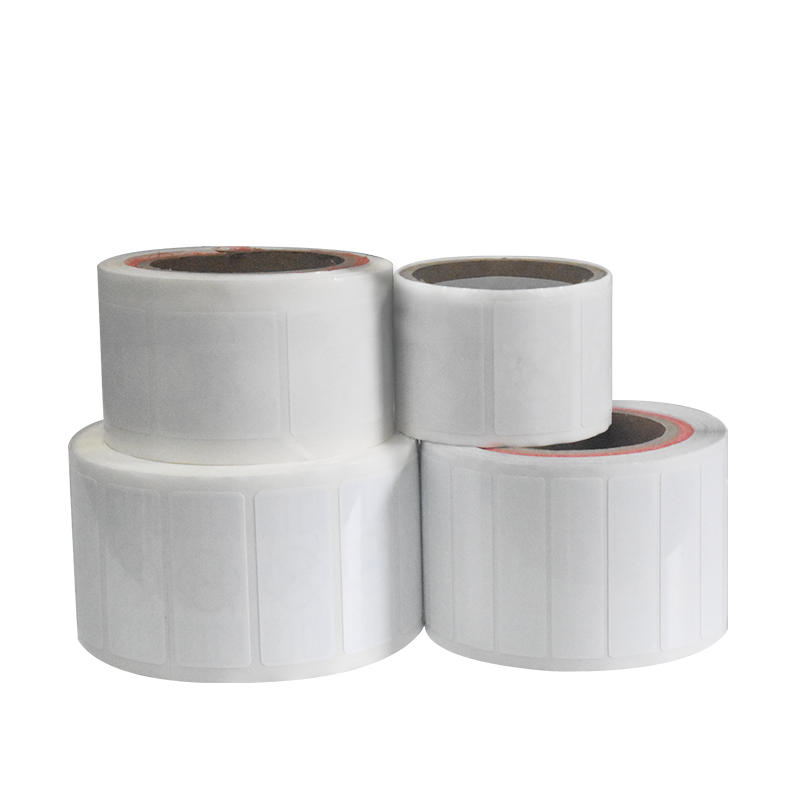
Unlike traditional manual tracking methods, RFID systems automatically collect patient location data and provide healthcare staff with real-time visibility. Patients can wear RFID-enabled wristbands containing unique identification information, allowing medical teams to quickly confirm patient identity and track movement between different areas.
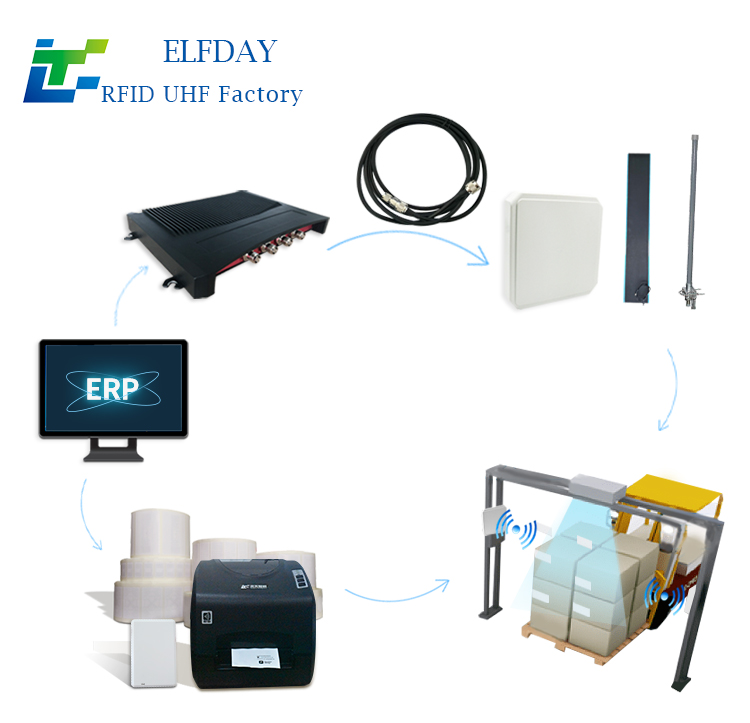
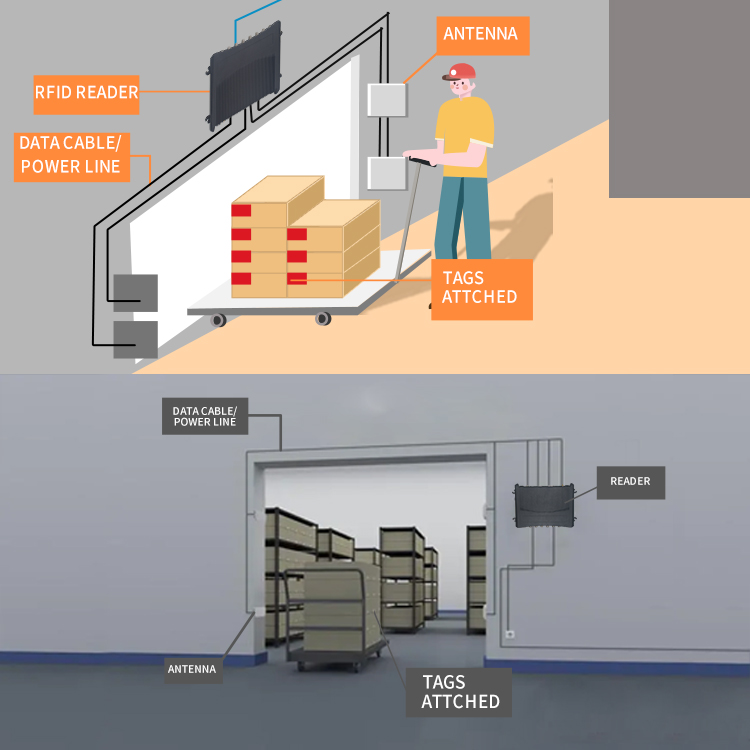
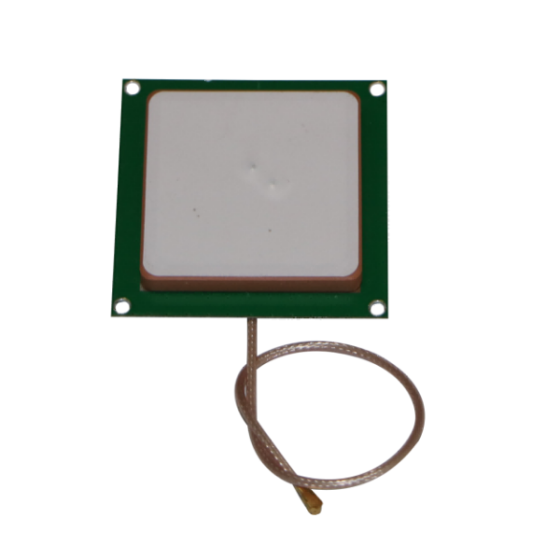
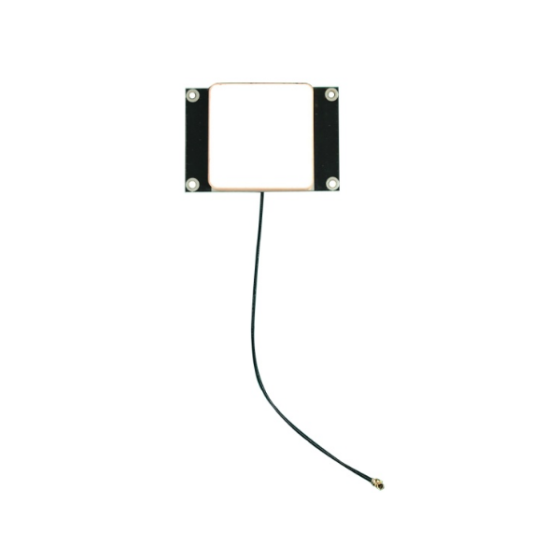
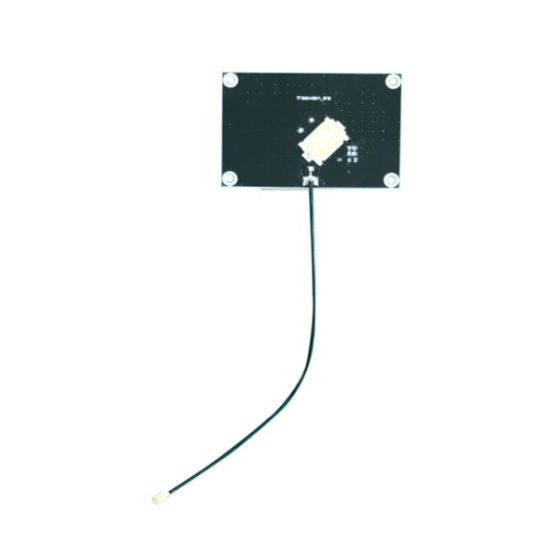
A complete RFID patient tracking solution usually includes RFID patient wristbands, RFID readers, location monitoring systems, and healthcare management software. These components work together to improve patient management, reduce administrative workload, and enhance operational efficiency.
How RFID Patient Tracking Improves Patient Flow
Efficient patient flow is essential for modern healthcare facilities. Delays in registration, room allocation, treatment, or transfers can increase waiting times and affect patient satisfaction. RFID patient tracking helps hospitals optimize every stage of the patient journey.
Faster Patient Identification and Admission Management
Patient identification is a critical part of healthcare operations. Manual identification processes can increase the risk of errors and slow down admission procedures.
RFID patient tracking systems allow healthcare providers to quickly identify patients through RFID-enabled wristbands. This helps reduce paperwork, improve data accuracy, and accelerate the registration process.
With faster patient identification, hospitals can improve admission efficiency and ensure patients receive medical attention without unnecessary delays.
Real-Time Patient Location Monitoring
In busy healthcare environments, locating patients quickly can be challenging. RFID patient tracking provides real-time information about patient locations throughout hospitals and medical facilities.
Healthcare teams can easily monitor patient movement between waiting areas, examination rooms, treatment areas, operating rooms, and recovery spaces.
This visibility helps doctors and nurses coordinate care more effectively, reduce time spent searching for patients, and improve overall workflow efficiency.
Reducing Waiting Times and Improving Healthcare Efficiency
Long waiting times are a common challenge in healthcare. RFID patient tracking technology helps facilities analyze patient movement and identify areas where delays occur.
By understanding patient flow patterns, hospitals can optimize room availability, improve scheduling processes, and allocate medical resources more effectively.
The result is a smoother healthcare experience with faster service delivery and improved patient satisfaction.
Enhancing Patient Safety Through RFID Technology
Patient safety depends on accurate identification and efficient communication between healthcare teams. RFID patient tracking adds an additional layer of security by ensuring patients are correctly identified throughout their treatment process.
RFID solutions can help healthcare providers reduce patient identification errors, improve department transfers, and support faster emergency responses.
In critical healthcare situations, having accurate and accessible patient information allows medical staff to make better decisions and provide safer care.
Applications of RFID Patient Tracking in Healthcare
RFID patient tracking technology can be used in a wide range of healthcare environments.
Hospitals can use RFID systems to manage patient movement across emergency departments, inpatient wards, operating rooms, and outpatient areas. The technology helps improve coordination between different medical departments and supports efficient hospital operations.
Emergency departments benefit from RFID tracking by gaining better visibility into patient locations and treatment progress. Medical teams can respond faster and manage high patient volumes more effectively.
Clinics and medical centers can use RFID patient tracking to improve appointment flow, reduce congestion in waiting areas, and enhance service efficiency.
Senior care facilities can also apply RFID technology to monitor resident movement, improve safety management, and support better care coordination.
Key Benefits of RFID Patient Tracking Systems
RFID patient tracking solutions provide healthcare organizations with several important advantages.
Improved Operational Efficiency
RFID automation reduces manual tracking tasks and allows healthcare professionals to spend more time focusing on patient care.
Better Patient Experience
By reducing waiting times and improving service coordination, RFID technology helps create a more comfortable and efficient healthcare experience.
Higher Data Accuracy
Automated identification and tracking reduce human errors and help maintain accurate patient records.
Optimized Resource Management
Healthcare facilities can better manage rooms, staff, and medical resources by analyzing real-time patient movement information.
Enhanced Patient Safety
Accurate patient identification and location monitoring help reduce risks and support safer medical procedures.
RFID Patient Tracking Compared with Traditional Tracking Methods
Traditional patient management often relies on manual records, phone communication, and staff updates. These methods can be time-consuming and may lead to inaccurate information.
RFID patient tracking provides automated data collection, real-time monitoring, and improved visibility across healthcare facilities.
With RFID technology, hospitals can move from manual tracking processes to a smarter healthcare management approach that improves efficiency and reliability.
Future Development of RFID Patient Tracking in Healthcare
As healthcare continues to adopt digital technologies, RFID patient tracking will become an important part of smart hospital management.
Future RFID healthcare solutions may integrate with hospital information systems, artificial intelligence platforms, and advanced analytics tools to provide deeper insights into patient flow and operational performance.
The combination of RFID technology and digital healthcare systems will help medical facilities create more connected, efficient, and patient-centered environments.
RFID patient tracking solutions provide healthcare facilities with an effective way to improve patient flow, enhance safety, and optimize healthcare management. By enabling real-time patient identification and location monitoring, RFID technology helps hospitals reduce waiting times, improve workflow efficiency, and deliver better medical services.
As healthcare demands continue to grow, RFID patient tracking will play an increasingly important role in building smarter and more efficient healthcare facilities.