



RFID Tags Grocery Stores Use for Faster Receiving and Inventory Processing
Receiving is one of the most important steps in grocery store inventory management. Every day, stores may receive cartons, cases, packaged goods, fresh food, beverages, and other products from suppliers and distribution centres. If incoming inventory is not identified and recorded efficiently, delays can quickly affect storage, replenishment, and product availability.
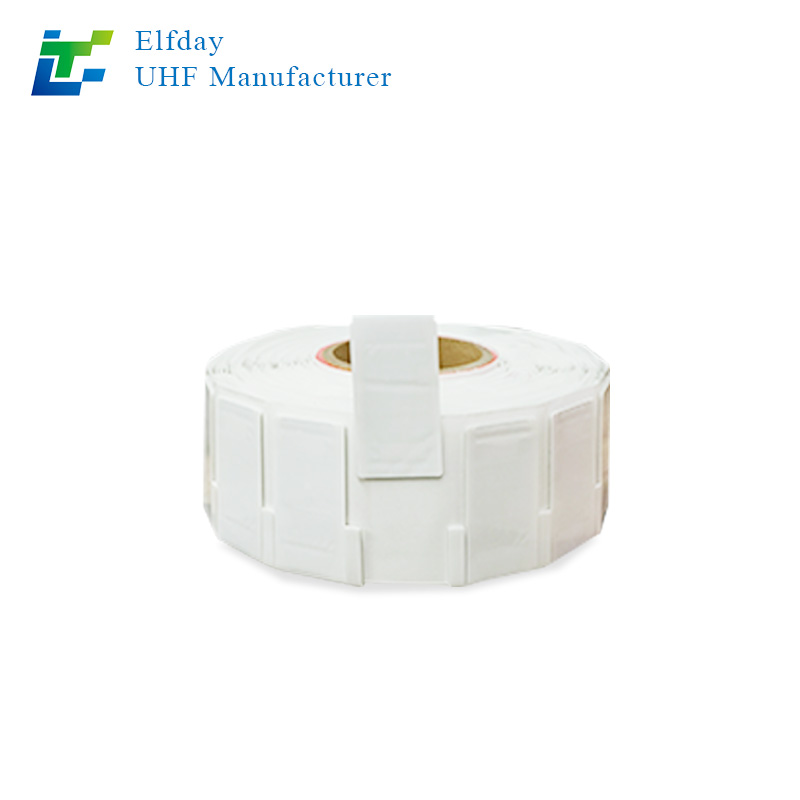
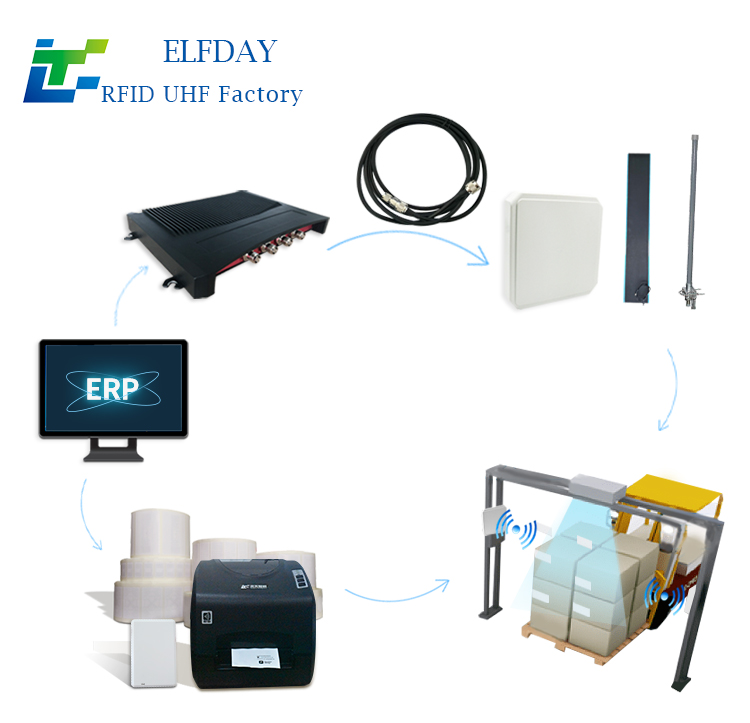
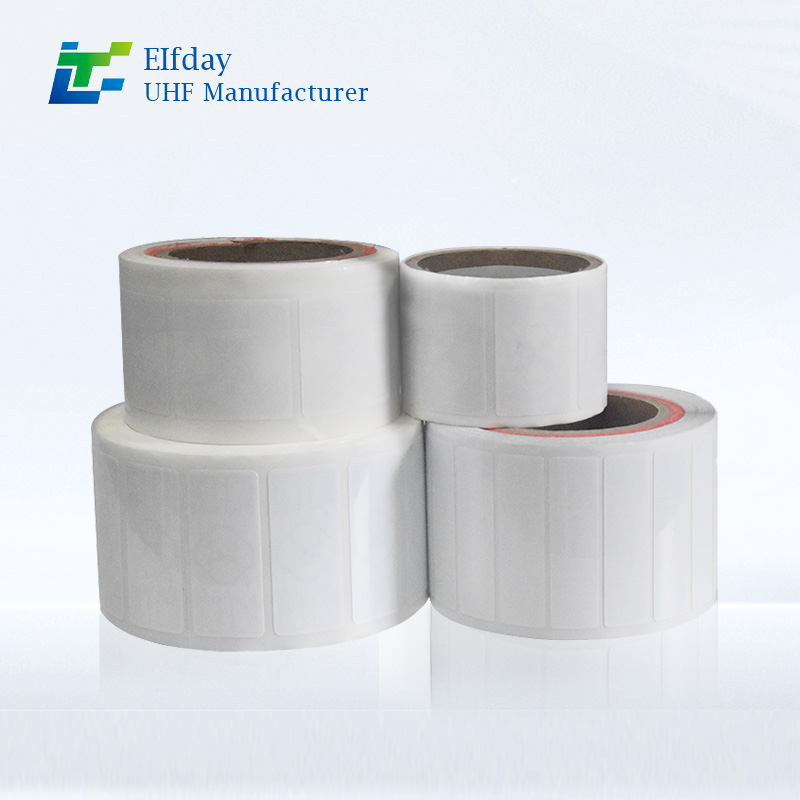
RFID tags grocery stores use can make the receiving process faster by giving products and cases a unique digital identity. Instead of manually scanning every barcode one at a time, employees can use RFID readers to identify multiple tagged items within the reading area. This can reduce repetitive work and create a smoother connection between receiving and inventory management.
Why Faster Receiving Matters for Grocery Stores
A busy grocery store may receive large quantities of products throughout the day. Employees need to verify incoming shipments, confirm quantities, move products to the correct storage areas, and prepare inventory for the sales floor.
Traditional barcode-based receiving can require individual scans. When shipments contain hundreds or thousands of items, this process can become time-consuming.
Delays during receiving can also create problems further down the workflow. Products may take longer to reach shelves, inventory records may not be updated quickly, and employees may spend additional time checking incoming shipments.
RFID provides an alternative identification method that can help streamline these tasks.
How RFID Tags Support the Receiving Process
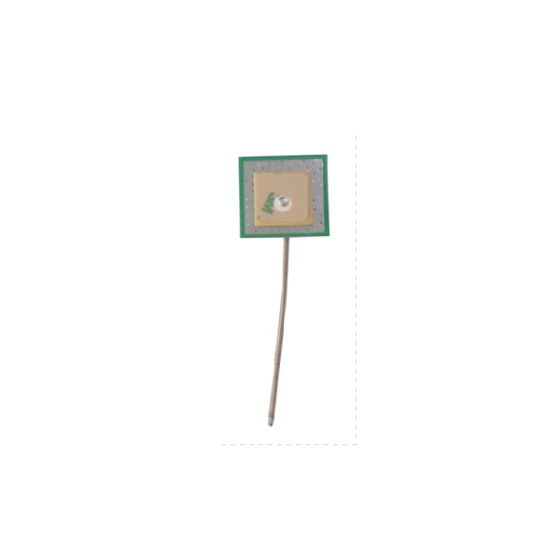
RFID tags can store unique identification information that is captured by compatible RFID readers. When products or cases arrive at a grocery store, employees can use RFID equipment to identify tagged inventory more efficiently.
Depending on the tag, reader, product packaging, and operating environment, multiple RFID tags can be detected during a single reading operation.
This can help employees:
- Identify incoming products faster
- Reduce repetitive barcode scanning
- Verify cases and shipments more efficiently
- Update inventory information sooner
- Move products through receiving areas more quickly
- Improve visibility of incoming stock
The result is a receiving workflow that requires fewer manual identification steps.
Identifying Multiple Products and Cases
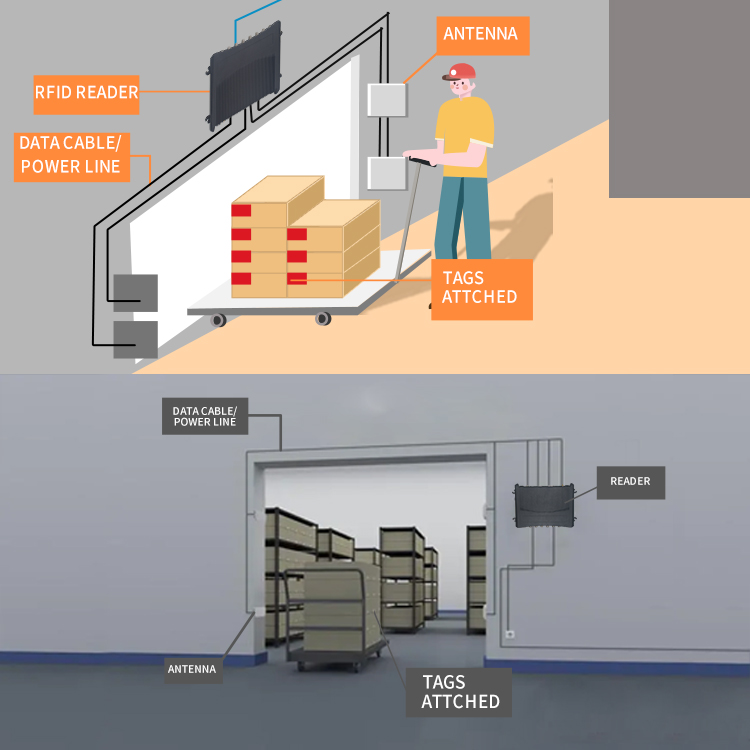
One of the key advantages of RFID is the ability to identify multiple tagged items within the reader's range.
For example, a grocery store may receive a pallet containing numerous cartons of packaged food. Instead of opening every carton and scanning individual barcodes, an RFID-enabled process can identify tagged cases or items as they pass through the receiving area.
This can be particularly useful for high-volume operations where employees process large shipments on a regular basis.
Reducing Manual Scanning
Manual barcode scanning remains widely used in retail, but it can become labour-intensive when employees need to process large quantities of inventory.
Each product or case may need to be positioned correctly so the barcode can be scanned. Employees may also need to repeat the process if a barcode is damaged, difficult to access, or facing the wrong direction.
RFID tags grocery stores use can reduce some of these manual steps by allowing RFID readers to capture tag information without requiring the same type of individual line-of-sight scanning.
This can help employees focus on verifying shipments and moving inventory rather than repeatedly handling individual products.
Faster Inventory Updates After Receiving
Receiving is closely connected to inventory accuracy. Once products arrive, inventory records need to reflect the new stock as quickly as possible.
RFID can help capture product identification data during the receiving process. When connected with suitable inventory management software, this information can support faster updates to digital stock records.
This provides employees with better visibility into what has arrived and what inventory is available for storage or replenishment.
Faster inventory updates can also help reduce the gap between physical stock arriving at the store and that stock appearing in the inventory system.
Improving Backroom Operations
Once products have been received, they often move into backroom storage before being placed on shelves.
If incoming products are accurately identified during receiving, employees can have a clearer understanding of what inventory is entering the backroom. RFID can therefore support a smoother transition between receiving, storage, and shelf replenishment.
For large grocery stores, this can help reduce unnecessary product searches and improve the organisation of backroom inventory.
Supporting Fresh Food Receiving
Grocery stores frequently receive fresh products that need to be processed quickly. Depending on the product, packaging, and RFID application, tags can be used to identify fresh food items, cases, trays, or containers.
Faster identification can help employees move incoming products through receiving and into appropriate storage areas more efficiently.
For time-sensitive inventory, reducing unnecessary delays can be especially valuable.
Improving Shipment Verification
Receiving teams need to ensure that incoming shipments match expected inventory. Differences between ordered and delivered quantities can create inventory discrepancies if they are not identified promptly.
RFID can support shipment verification by providing machine-readable identification for tagged products and cases.
When integrated with inventory or warehouse software, RFID data can be compared with expected shipment information, helping employees identify potential discrepancies during the receiving process.
Tracking Reusable Containers
Grocery supply chains often use reusable crates, totes, trays, and other containers to transport products.
RFID tags can give these reusable assets a unique identity, allowing businesses to track their movement between suppliers, distribution centres, warehouses, and stores.
This extends RFID beyond product identification and can help improve visibility of reusable containers throughout the supply chain.
Benefits of RFID Receiving for Grocery Stores
Implementing RFID for receiving can provide several operational benefits:
Faster Product Identification
Multiple tagged products or cases can potentially be identified during a single reading process, reducing repetitive manual scanning.
Reduced Labour Requirements
Employees can spend less time performing individual identification tasks and more time handling exceptions, verification, and product movement.
Better Inventory Visibility
RFID data can help provide more timely information about incoming products and available stock.
Smoother Receiving Workflows
Fewer manual scanning steps can help shipments move through receiving areas more efficiently.
Improved Data Accuracy
Automated identification can reduce some of the errors associated with manual data entry and repetitive scanning.
Choosing RFID Tags for Grocery Receiving
The performance of RFID tags depends on the products and environment where they are used. Grocery stores should consider several factors when selecting tags for receiving applications.
Product material: Liquids, metal packaging, foil, and dense materials can influence RFID performance.
Tag placement: The location of the tag can affect readability and should be tested with the actual product or packaging.
Read distance: The required reading range depends on the receiving layout and RFID reader configuration.
Tag size: Different products and cases may require different tag sizes and attachment methods.
Operating environment: Cold storage, refrigerated areas, moisture, and handling conditions may require tags designed for specific environments.
Testing tags with actual grocery products before large-scale deployment can help ensure reliable performance.
Building a More Efficient Grocery Receiving Process
Receiving is more than simply checking products as they arrive. It is the starting point for accurate inventory management throughout the store.
By providing products and cases with unique digital identities, RFID tags grocery stores use can help connect receiving activities with inventory tracking, storage, replenishment, and supply chain management.
Instead of relying entirely on repetitive manual scanning, grocery retailers can use RFID to automate parts of the identification process and gain faster access to inventory information.
For stores handling large shipment volumes, this can translate into faster receiving, improved inventory visibility, and a more efficient workflow from the moment products arrive to the moment they reach the shelf.