



RFID Tags Grocery Stores Use for Faster and Smarter Stock Checks
Keeping grocery store inventory accurate is not always easy. Thousands of products can move through a store every day, while stock levels constantly change as items are received, shelved, purchased, returned, or transferred between locations. Traditional inventory checks often rely on barcode scanning and manual counting, which can take considerable time and may leave room for errors.
This is where rfid tags grocery stores use can provide a more efficient approach to product identification and stock checking. By giving individual products, cases, or other inventory items a unique digital identity, RFID technology allows stores to capture product information quickly with RFID readers. Instead of checking items one at a time, employees can identify multiple tagged products within the reader's range, helping make routine inventory tasks faster and easier to manage.
Why Grocery Stores Need Faster Inventory Checks
Inventory accuracy plays an important role in everyday grocery store operations. Employees need to know what products are available, where they are located, and when additional stock may be required.
Manual inventory checks can become particularly challenging in large stores with extensive product ranges. Employees may need to walk through aisles, check shelves, count products, and compare physical stock with information in an inventory system.
This process can consume valuable working hours. It can also become difficult to maintain accuracy when products are frequently moved or when several employees are handling inventory simultaneously.
RFID offers an alternative by allowing products to be identified electronically. When an RFID reader detects tagged items, relevant product information can be captured and connected with inventory records.
How RFID Tags Grocery Stores Use Support Stock Checks
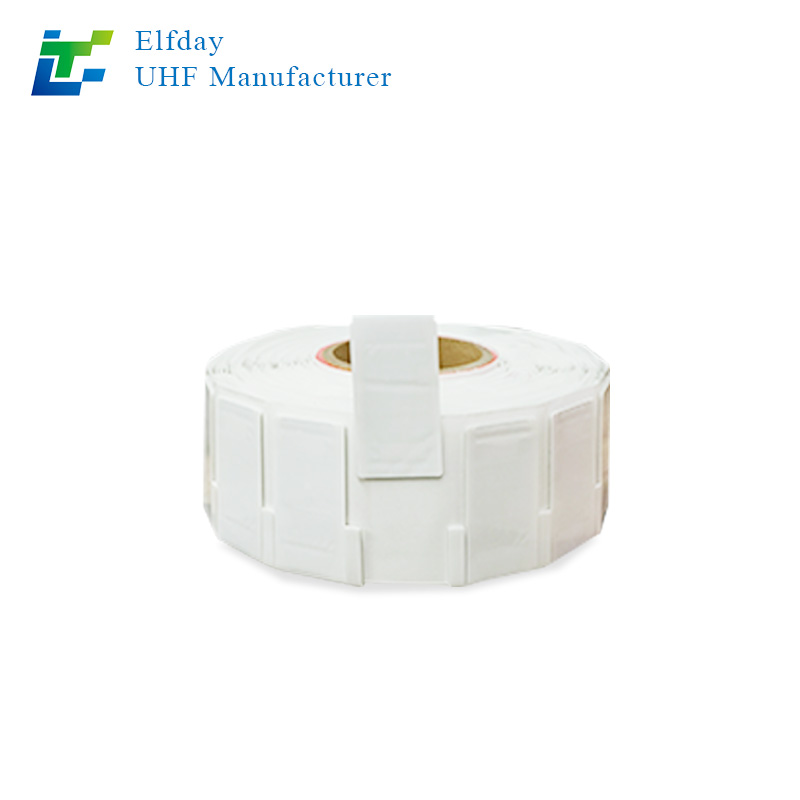
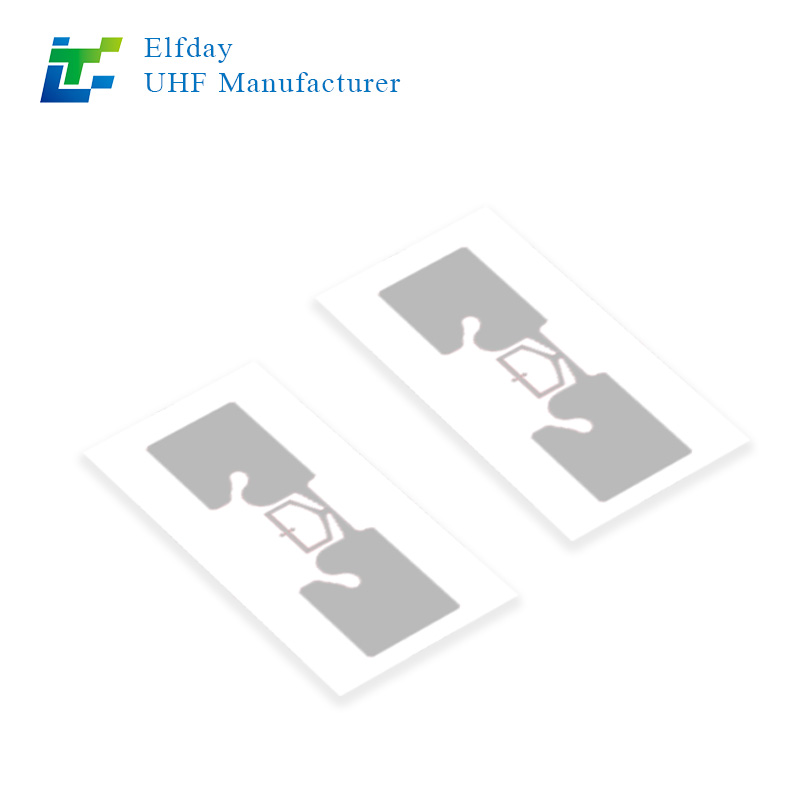
The basic concept is straightforward. An RFID tag is attached to a product, package, case, tote, or other inventory item. The tag contains identification information that can be read wirelessly by a compatible RFID reader.
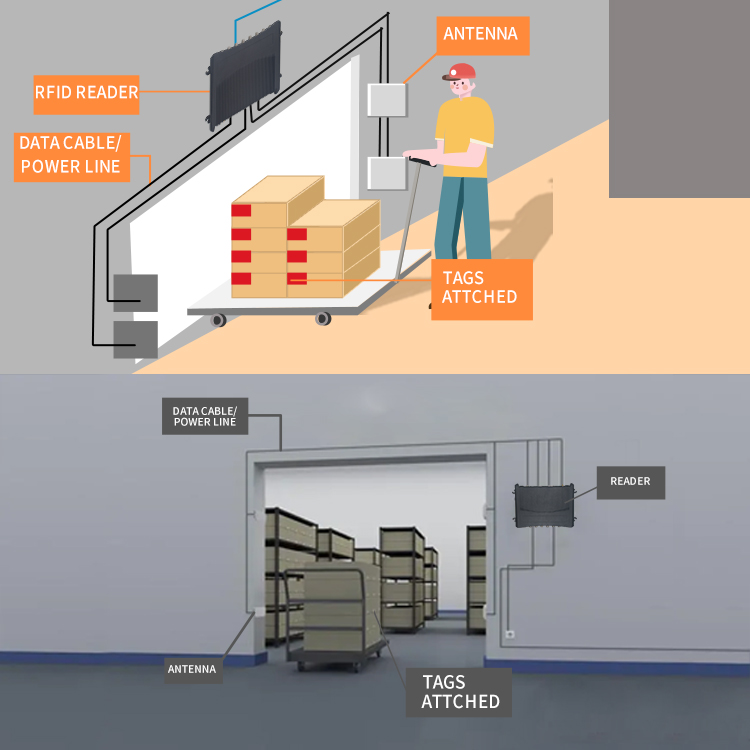
During an inventory check, an employee can use an RFID handheld reader to scan an area containing tagged products. The reader can detect multiple tags without requiring each item to be positioned directly in front of the scanner.
The collected information can then be compared with the store's inventory records.
This makes rfid tags grocery stores use particularly useful for situations where employees need to check many products within a short period.
Faster Product Identification
One of the biggest advantages of RFID is the ability to identify multiple items efficiently.
With traditional barcode-based processes, employees generally need to locate and scan each barcode individually. Products may need to be picked up, positioned correctly, and scanned before the information is recorded.
RFID works differently. Depending on the tag, reader, environment, and system configuration, multiple tags can be detected during a single reading process.
For grocery stores, this can reduce repetitive scanning work and allow employees to spend less time on routine inventory counting.
Improving Stock Visibility
Accurate inventory information helps store employees understand what stock is available throughout the store.
RFID tags grocery stores use can provide a digital identity for tagged products, allowing inventory records to be updated more efficiently when items are received, moved, counted, or otherwise handled.
Better stock visibility can help employees answer practical questions such as:
- How many units are currently available?
- Which products are in the backroom?
- Which items are on the sales floor?
- Does the physical inventory match system records?
- Which products may need replenishment?
Having more reliable information can make daily inventory decisions easier and reduce the need for repeated manual checks.
Supporting Shelf Replenishment
A product may technically be in stock but unavailable to shoppers if it is sitting in a backroom or storage area.
This creates a common challenge for grocery retailers: the inventory system may show that stock exists, while the sales floor appears empty.
RFID can help employees identify products in different areas more efficiently. For example, staff may use an RFID reader to check backroom inventory and determine whether additional units are available for shelf replenishment.
This can help connect inventory information with real-world product locations and make restocking activities more efficient.
Making Inventory Counting Less Labor-Intensive
Regular stock checks are necessary, but they do not always need to involve lengthy manual counting.
When rfid tags grocery stores use are integrated into an appropriate RFID inventory system, employees can collect product identification data electronically. This can reduce the amount of repetitive counting and scanning required during routine checks.
For larger stores, the potential time savings can become more significant because employees may need to check thousands of products across multiple departments.
Instead of focusing entirely on counting individual items, staff can spend more time reviewing inventory information, investigating discrepancies, and completing higher-value store tasks.
Applications Across Different Grocery Departments
RFID inventory tracking is not limited to a single type of grocery product.
Depending on the tagging method and operational requirements, RFID can be considered for a variety of areas, including packaged foods, beverages, household products, prepared foods, reusable containers, cases, and other inventory.
For example, a store may use RFID identification to support receiving operations in the loading area, inventory checks in the stockroom, and replenishment activities on the sales floor.
Different departments may require different tag types and system configurations, particularly where products are exposed to moisture, metal, liquids, refrigeration, or other challenging conditions.
Combining RFID With Existing Inventory Systems
RFID does not necessarily need to replace every existing inventory technology.
Many grocery stores already rely on barcode systems, point-of-sale software, warehouse systems, and inventory management platforms. RFID can potentially complement these technologies by providing an additional method for automated product identification.
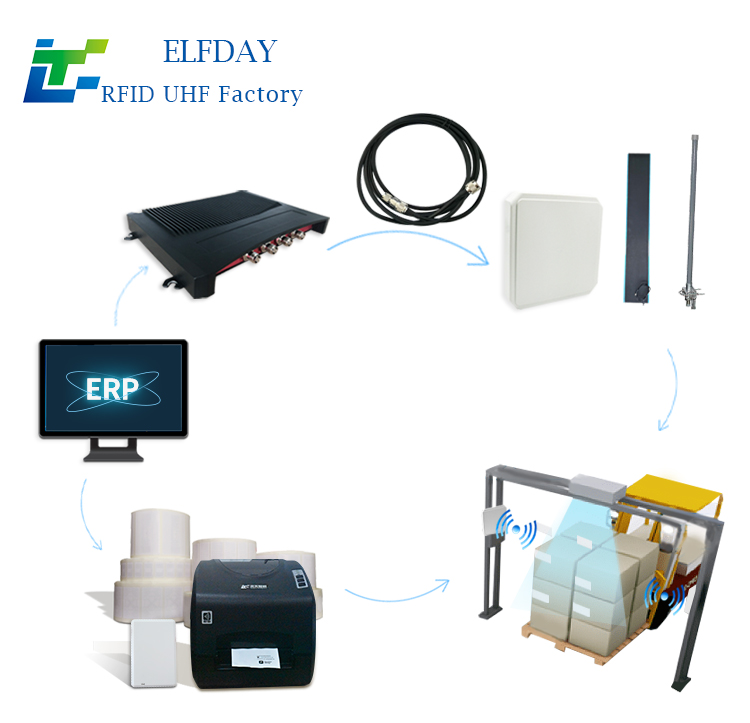
The RFID reader captures tag information, while software can process that information and connect it with existing product records.
This combination can create a more complete view of inventory movement and reduce the need for employees to manually enter information after every stock check.
What to Consider Before Using RFID Tags
Although RFID can improve inventory processes, successful implementation depends on more than simply attaching tags to products.
Grocery stores should consider the type of products being tagged, tag placement, reading distance, reader selection, operating environment, and integration with existing software.
Products containing liquids or metal can affect RFID performance, so tag design and placement may need to be evaluated for specific applications. Store layouts and reader positions can also influence how efficiently tags are detected.
For this reason, testing RFID tags in the actual operating environment is an important step before large-scale deployment.
The Future of Grocery Inventory Management
As grocery retailers look for ways to improve efficiency, automated identification technologies can play an increasingly useful role in inventory management.
RFID tags grocery stores use can help create a more connected relationship between physical products and digital inventory records. Faster identification, improved stock visibility, and reduced manual counting can help employees manage inventory with less repetitive work.
The goal is not simply to count products faster. A well-designed RFID inventory process can give grocery stores more timely and reliable information, helping employees make better decisions about receiving, stocking, replenishment, and inventory control.
For stores handling large volumes of products every day, that improved visibility can make routine stock checks more efficient while supporting a smarter approach to inventory management.