



Streamline Tire Manufacturing Operations with RFID Tire Tag Solutions
The tire manufacturing industry requires precise control over every production stage, from raw material processing and molding to quality inspection and final distribution. As production volumes increase and supply chains become more complex, traditional tracking methods such as manual records and barcode scanning are often unable to provide the speed, accuracy, and visibility required by modern factories.
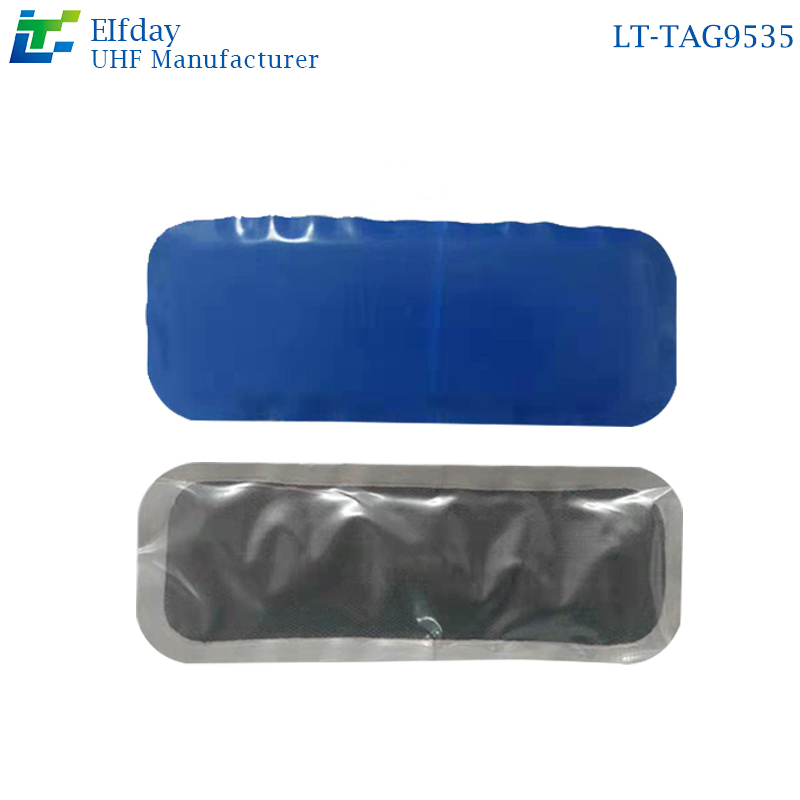
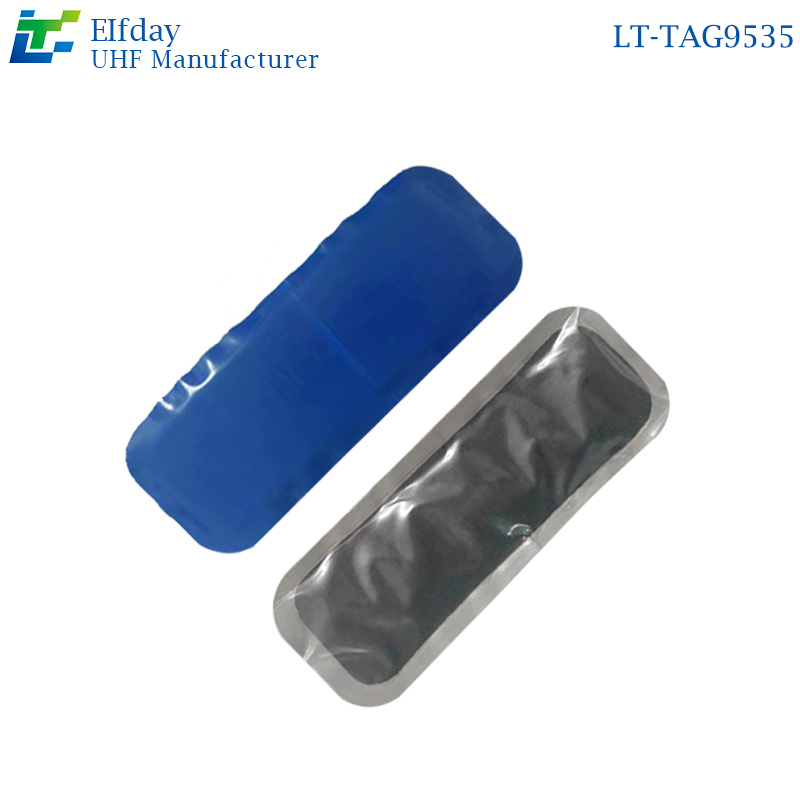
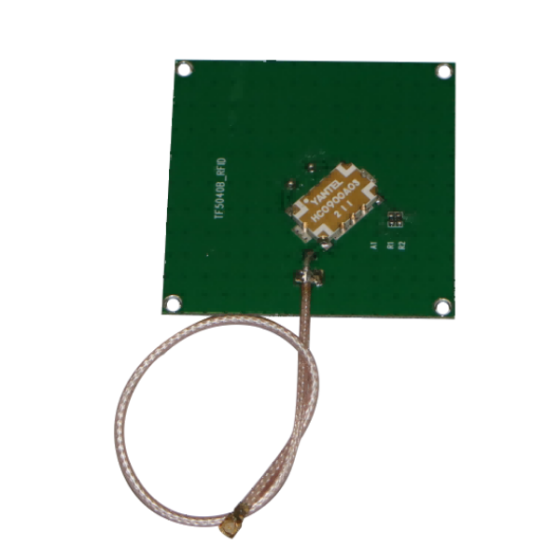
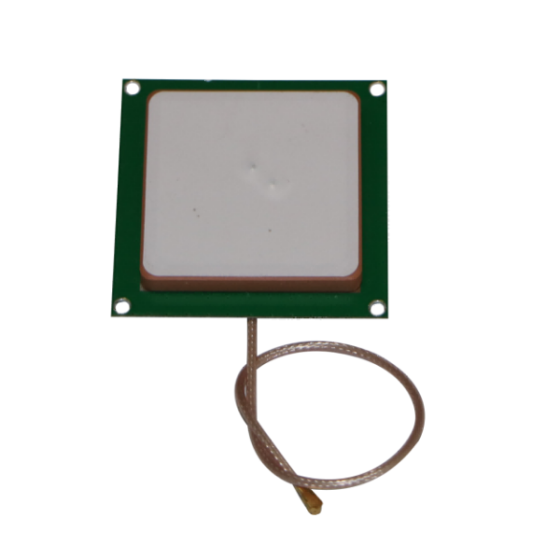
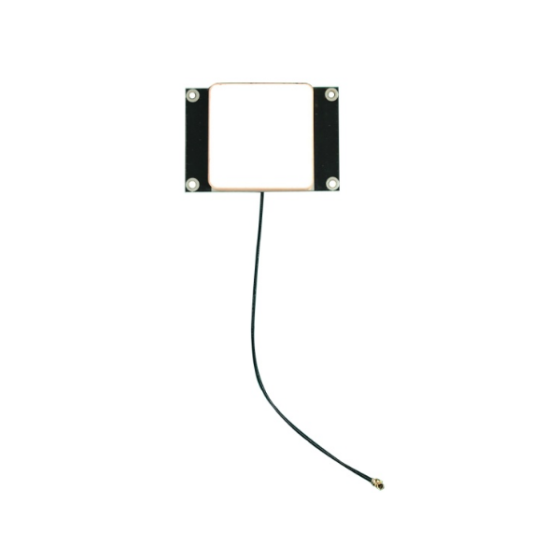
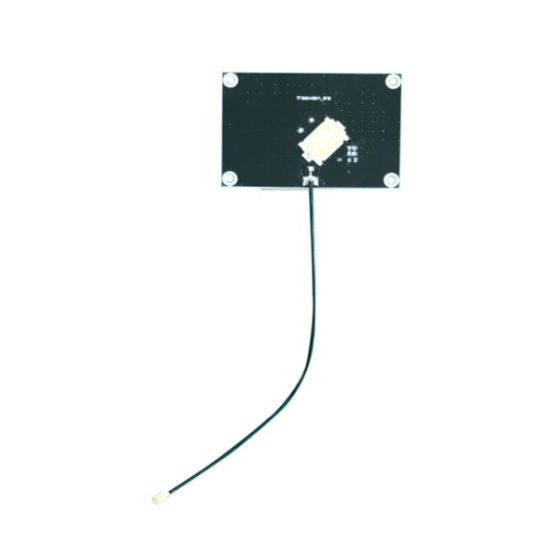
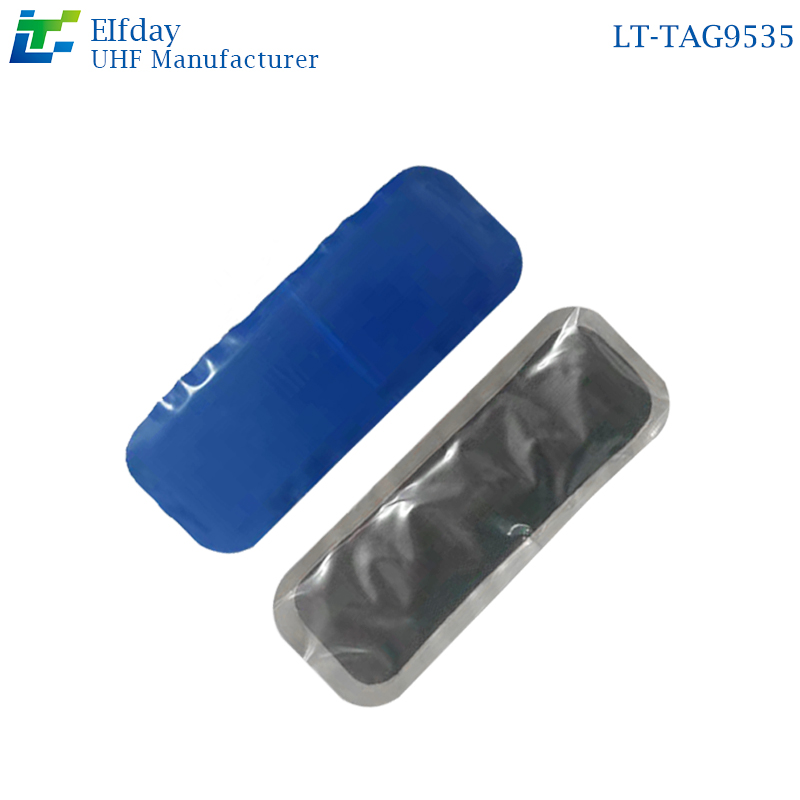
An RFID tire tag offers an intelligent identification solution that enables manufacturers to connect each tire with digital information throughout the production process. By integrating RFID technology into manufacturing workflows, companies can automatically collect production data, improve traceability, and optimize operational efficiency.
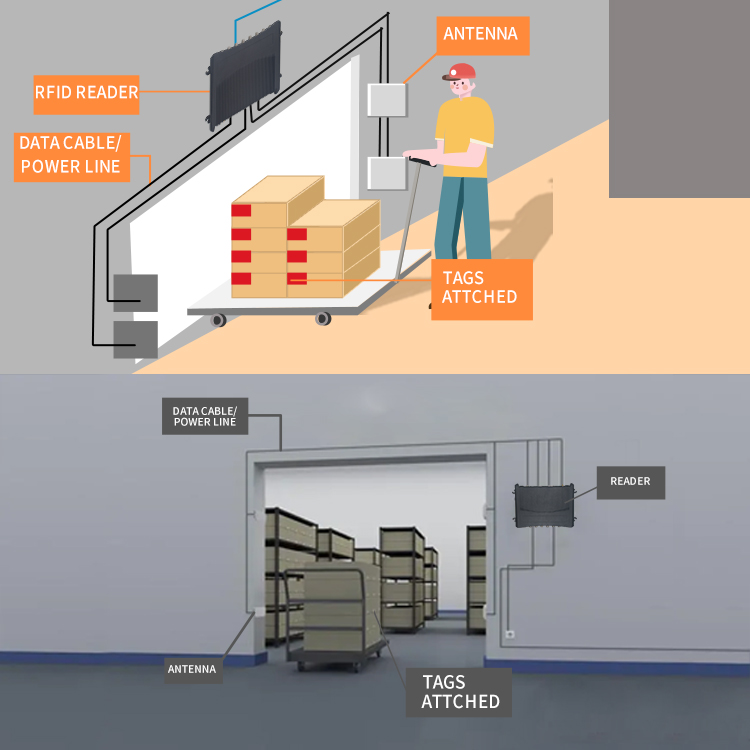
Unlike traditional identification methods, RFID allows tires to be tracked automatically without requiring direct line-of-sight scanning. This makes it easier for manufacturers to manage large-scale production environments while maintaining accurate and reliable product information.
Automated Production Tracking for Better Manufacturing Efficiency
In a modern tire production facility, thousands of tires move through multiple manufacturing stages every day. Tracking each tire manually can create delays and increase the risk of data errors.
With an RFID tire tag attached to each tire, manufacturers can automatically record important production information, including:
Manufacturing date and production batch
Tire specifications and product models
Production line information
Processing status
Quality inspection results
Storage and shipment records
This automated approach allows production teams to monitor tire movement in real time and quickly identify the status of individual products. By reducing manual data collection, RFID technology helps improve workflow efficiency and minimizes production interruptions.
Enhancing Tire Traceability and Quality Control
Quality control is one of the most critical aspects of tire manufacturing. Every tire must meet strict performance and safety requirements before reaching customers. However, without accurate tracking systems, identifying production history or investigating quality issues can be time-consuming.
RFID tire tags create a digital identity for each tire, allowing manufacturers to maintain complete traceability from production to delivery. If a quality concern occurs, teams can quickly access relevant information, such as production conditions, inspection records, and manufacturing history.
This level of visibility helps manufacturers:
Improve quality inspection processes
Identify production issues faster
Reduce product recalls and errors
Strengthen compliance management
Maintain consistent manufacturing standards
By improving traceability, RFID technology supports a more transparent and reliable tire production system.
Optimizing Smart Factory Operations
As manufacturers continue adopting Industry 4.0 technologies, smart factory solutions are becoming increasingly important. RFID tire tags play an essential role in connecting physical products with digital manufacturing systems.
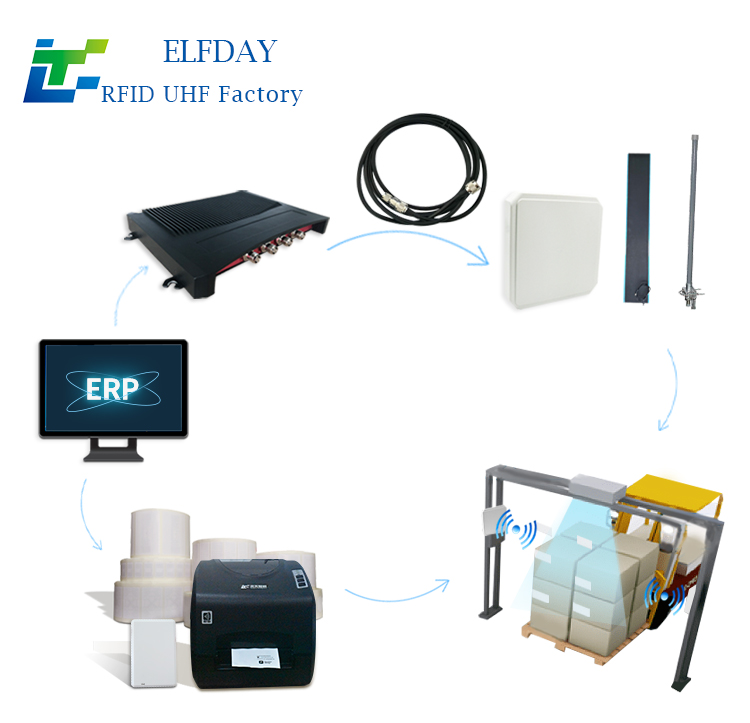
When integrated with factory management software, RFID technology enables automated data exchange between production equipment, inventory systems, and quality management platforms.
Manufacturers can use RFID-based data to:
Monitor production progress in real time
Improve resource allocation
Reduce manual inspections
Optimize manufacturing workflows
Support data-driven decision-making
This creates a more connected production environment where manufacturers can respond faster to changing demands and improve overall productivity.
Improving Inventory and Material Management
Tire production requires efficient management of finished products, semi-finished goods, and materials throughout the factory. Poor inventory visibility can lead to misplaced products, unnecessary storage costs, and production delays.
Using RFID tire tags, manufacturers can accurately track tire locations and inventory status. Warehouse teams can quickly identify available stock, monitor product movement, and improve order fulfillment processes.
Compared with traditional labeling systems, RFID provides faster inventory counting and better data accuracy, helping manufacturers maintain smoother operations across production and storage areas.
Supporting End-to-End Tire Lifecycle Management
A tire’s journey does not end after manufacturing. Tracking information throughout transportation, storage, usage, and maintenance provides valuable insights for manufacturers and customers.
RFID tire tags enable lifecycle management by creating a continuous digital record associated with each tire. This information can support:
Product authentication
Warranty management
Maintenance tracking
Usage analysis
Recycling and replacement management
By maintaining complete lifecycle data, manufacturers can better understand product performance and develop more efficient production strategies.
Durable RFID Tire Tags Designed for Industrial Applications
Tire manufacturing environments can involve high temperatures, mechanical pressure, vibration, and challenging operating conditions. RFID tire tags must therefore provide reliable performance and long-term durability.
Industrial-grade RFID solutions are designed to maintain stable identification capabilities in demanding environments. Depending on application requirements, different tag designs can support various installation methods, reading ranges, and operating conditions.
Common applications include:
Tire manufacturing plants
Automotive production facilities
Tire quality inspection systems
Smart warehouse management
Automotive supply chain tracking
Key Benefits of Using RFID Tire Tags in Manufacturing
Increased Production Visibility
Manufacturers gain real-time insight into tire movement and production status.
Improved Data Accuracy
Automated identification reduces errors caused by manual recording.
Faster Quality Management
Digital records make it easier to track and analyze manufacturing information.
Enhanced Operational Efficiency
Streamlined processes help reduce delays and improve factory productivity.
Better Product Traceability
Each tire can be connected with complete manufacturing and lifecycle information.
The Future of Intelligent Tire Manufacturing
The demand for smarter, more efficient manufacturing continues to grow as industries move toward digital transformation. RFID tire tags provide manufacturers with the ability to automate identification, improve traceability, and build more connected production systems.
By combining RFID technology with modern manufacturing platforms, tire producers can achieve better quality control, faster operations, and greater visibility across the entire production lifecycle.
As smart factories become the future of industrial manufacturing, RFID tire tag solutions will continue to play an important role in creating efficient, data-driven, and reliable tire production environments.