



UHF RFID Sticker for Faster Retail Inventory Tracking
Retail inventory management becomes increasingly challenging as stores carry more products, manage frequent stock movements, and serve customers across multiple sales channels. Employees need to know what is in stock, where products are located, and when shelves need to be replenished.
A UHF RFID sticker provides a practical way to improve product identification and inventory visibility. By attaching RFID stickers to suitable products or packaging, retailers can use RFID readers to identify multiple items quickly, reducing the need for time-consuming manual scanning.
What Is a UHF RFID Sticker?
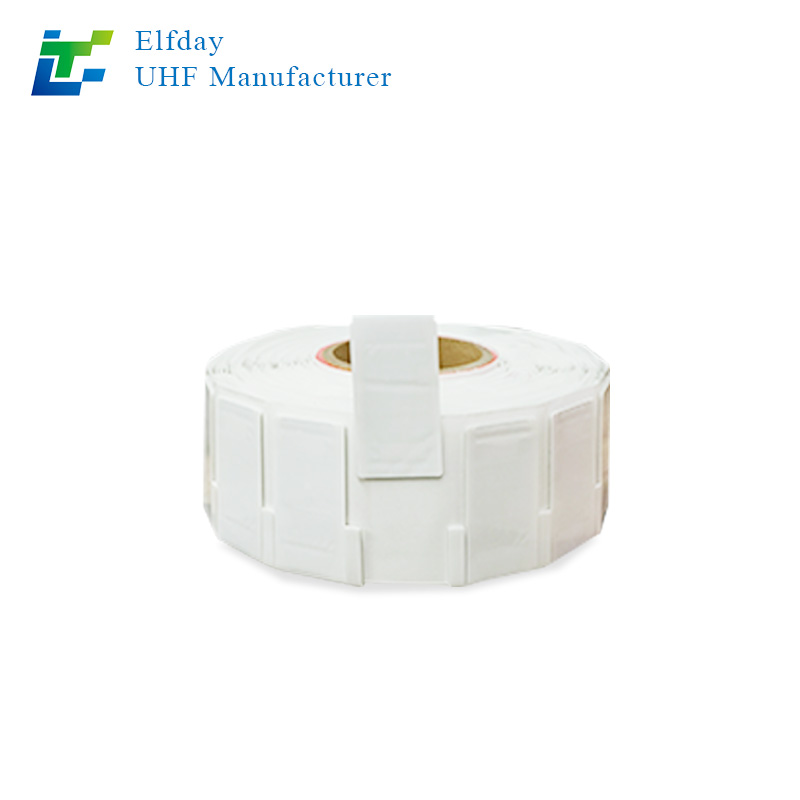
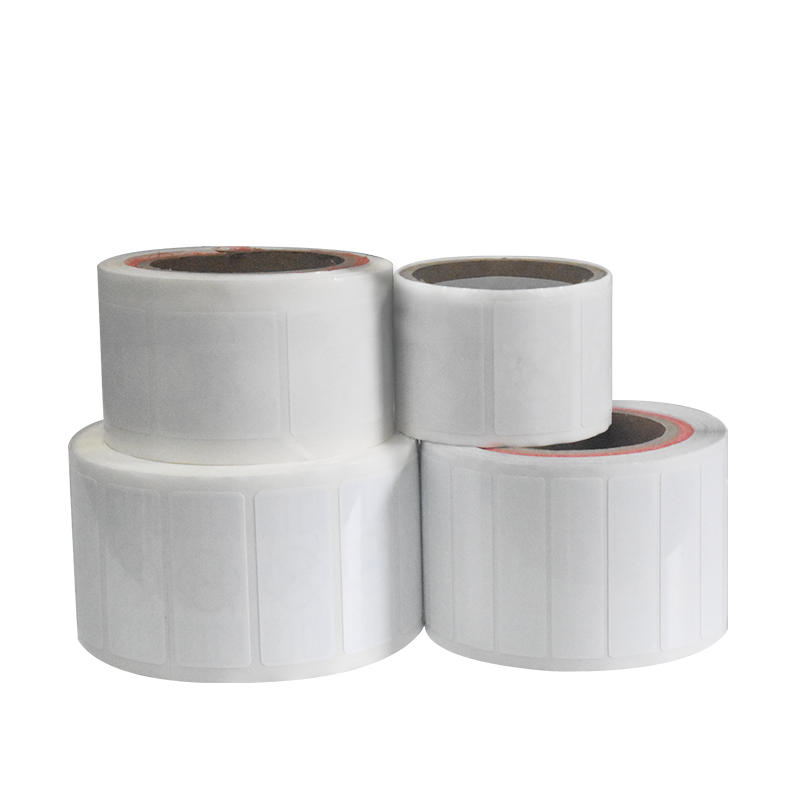
A UHF RFID sticker is a self-adhesive RFID label that contains an RFID chip and antenna. It can be attached to products, packaging, boxes, or other retail items and linked to inventory information in a management system.
Unlike traditional barcode labels, UHF RFID technology does not always require direct line-of-sight between the tag and reader. Multiple tags can also be identified during a single reading session, making the technology useful for high-volume retail inventory tasks.
Why Retailers Use UHF RFID Stickers
The main benefit of using a UHF RFID sticker in retail is faster item identification. Instead of manually scanning products one by one, employees can use compatible RFID readers to capture information from multiple tagged items.
This can make several everyday retail tasks easier.
Faster Inventory Counts
Stocktaking can take significant time when employees need to scan individual products. With UHF RFID stickers, multiple products can be identified together, helping staff complete inventory checks more efficiently.
This is particularly useful for stores with large product ranges or frequent inventory movements.
Easier Product Location
Finding a specific product in a busy store or backroom can be frustrating when inventory records are not completely accurate. RFID-based tracking can provide additional visibility into tagged items and help employees locate products more efficiently.
This can be especially helpful when products are stored across sales floors, stockrooms, and other designated areas.
More Efficient Stock Checks
Retail staff regularly need to check whether products are available, missing, or ready for replenishment. UHF RFID stickers can support faster stock checks by allowing multiple tagged items to be identified during the same process.
Less time spent on manual scanning means employees can spend more time helping customers and managing the store.
UHF RFID Sticker vs. Barcode
Barcodes are familiar, inexpensive, and widely used in retail. However, traditional barcode scanning generally requires the scanner to have a clear view of the printed code.
A UHF RFID sticker works through wireless communication between the RFID tag and reader. This allows tagged products to be identified without individually positioning every barcode in front of a scanner.
| Feature | UHF RFID Sticker | Traditional Barcode |
|---|---|---|
| Line-of-sight | Not always required | Usually required |
| Multiple-item reading | Yes | Generally one at a time |
| Manual scanning | Reduced | Usually required |
| Item-level identification | Yes | Yes |
| Inventory counting | Fast for bulk reading | More time-consuming |
| Reusable data | Tag can be linked to digital records | Printed information remains fixed |
The right solution depends on the retailer's products, workflow, budget, and existing inventory system. In some environments, RFID and barcodes can also be used together.
Common Retail Applications
UHF RFID stickers can be used in a variety of retail environments and workflows.
Clothing and Apparel
RFID stickers can be attached to clothing labels or packaging to help stores track individual items. Staff can quickly check inventory across sales floors and stockrooms without manually scanning every product.
Electronics
Retailers selling electronics can use RFID identification to help manage products, accessories, and boxed inventory. This can make stock checks and product location easier.
Footwear
Shoes and shoe boxes can be difficult to count manually when stores carry many sizes and styles. RFID stickers can help staff identify tagged items and improve visibility across different storage areas.
General Merchandise
From household products to packaged goods, UHF RFID stickers can support inventory identification across a wide range of retail products, provided the tag is suitable for the item's material and environment.
Using UHF RFID Stickers in the Backroom
The retail backroom is often where inventory accuracy becomes difficult. Products may arrive in bulk, move between storage areas, or wait to be transferred to the sales floor.
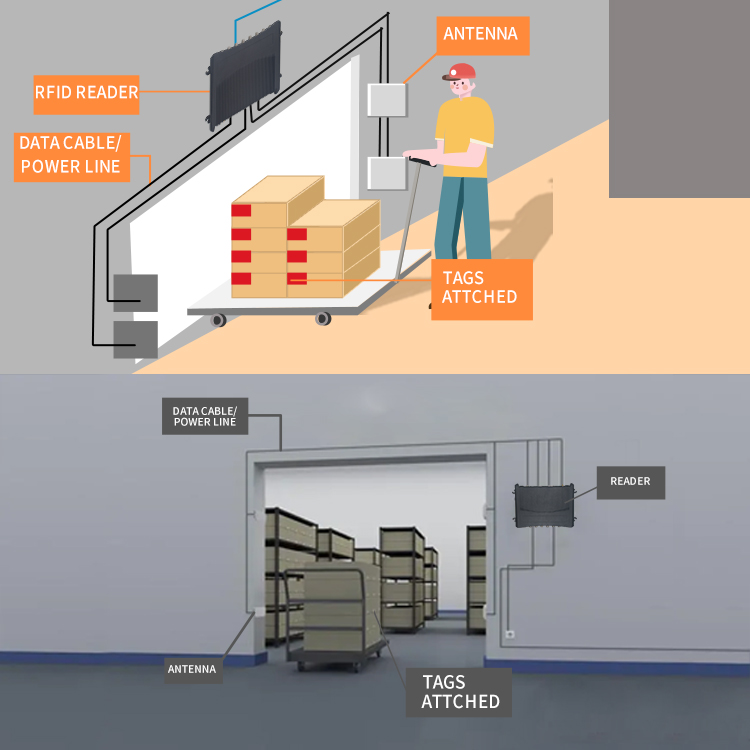
With RFID tags attached to suitable products or packages, employees can perform faster checks when receiving goods, organizing stock, or preparing products for replenishment.
For example, staff may use an RFID handheld reader to check a group of products in a storage area instead of scanning every item individually. This can reduce repetitive work and provide a quicker view of available stock.
Choosing the Right UHF RFID Sticker for Retail
Not every RFID sticker is suitable for every retail product. Several factors should be considered before selecting a tag.
Product material: Metal surfaces and liquids can affect UHF RFID performance, so specialized tag designs may be required for certain products.
Sticker size: The available surface area can determine how large the RFID sticker can be.
Read performance: Consider the required reading distance and the way products will be scanned in the store.
Adhesive: The adhesive should remain secure throughout handling, transportation, storage, and normal retail use.
Appearance: For consumer-facing products, the sticker should fit the packaging and maintain a clean appearance.
System compatibility: The RFID sticker should be compatible with the readers and inventory software used in the retail environment.
How RFID Can Improve the Retail Experience
Inventory accuracy affects more than stockroom operations. When retailers have better visibility into available products, employees can respond to customer requests more quickly and identify products that need replenishment.
Faster inventory checks can also support more frequent stock counting without requiring the same amount of manual labor. Over time, this can help retailers maintain more reliable inventory information and make better use of employee time.
A UHF RFID sticker can help retailers move beyond slow, item-by-item inventory scanning. By enabling fast identification of multiple tagged products, RFID technology can support inventory counting, product location, stock checks, and backroom management.
For retailers looking to improve inventory visibility while reducing repetitive manual work, UHF RFID stickers offer a flexible approach that can be adapted to different products and store environments.