




Warehouse RFID Tags: The Smart Way to Improve Inventory Accuracy and Warehouse Efficiency
In today's fast-paced supply chain environment, warehouses are under constant pressure to improve efficiency, reduce errors, and maintain accurate inventory records. Traditional barcode systems have served businesses for years, but many warehouses are now turning to warehouse RFID tags as a more advanced and reliable solution.
Warehouse RFID tags are transforming inventory management by enabling real-time tracking, faster stock counts, and greater visibility across warehouse operations. Whether managing thousands of products or handling high-volume shipments every day, RFID technology helps businesses gain better control of their inventory while reducing labor-intensive processes.
What Are Warehouse RFID Tags?
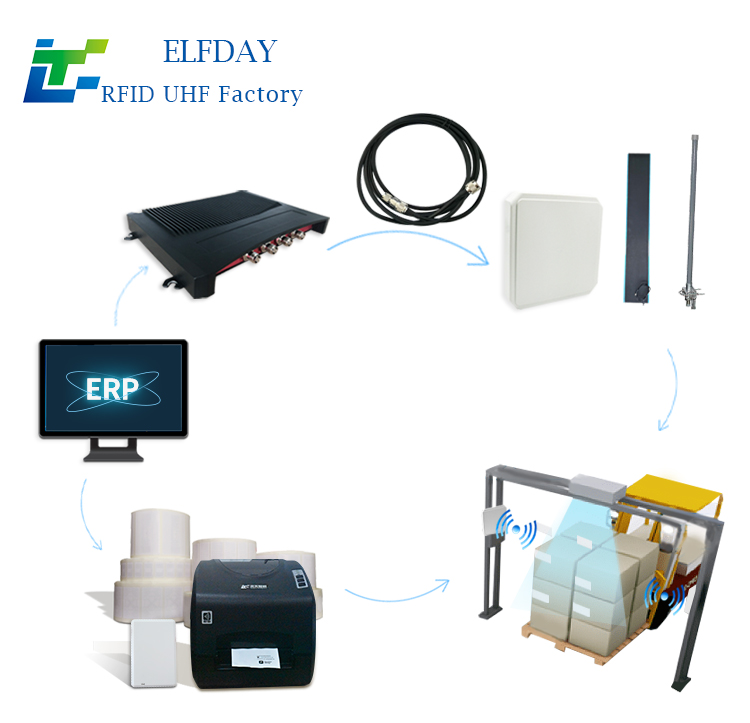
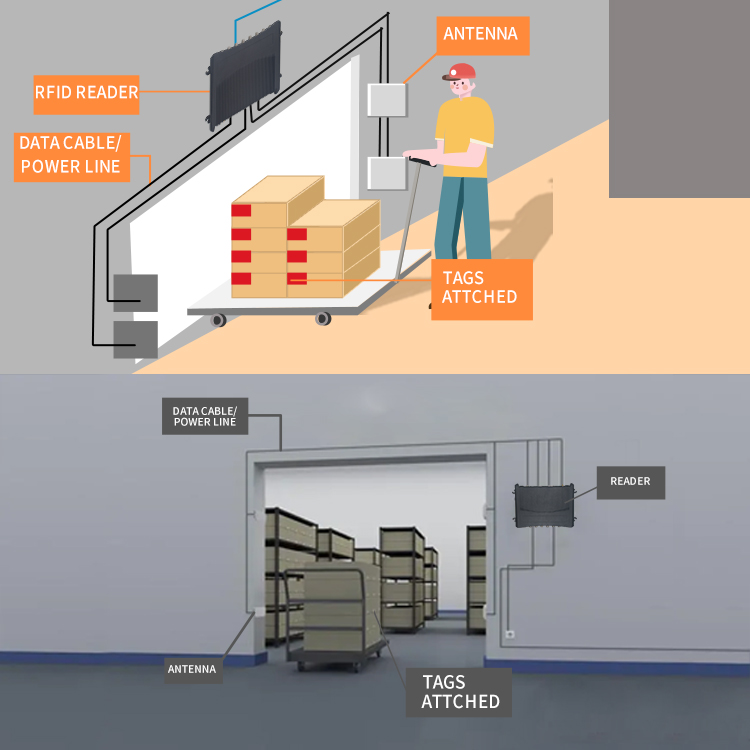
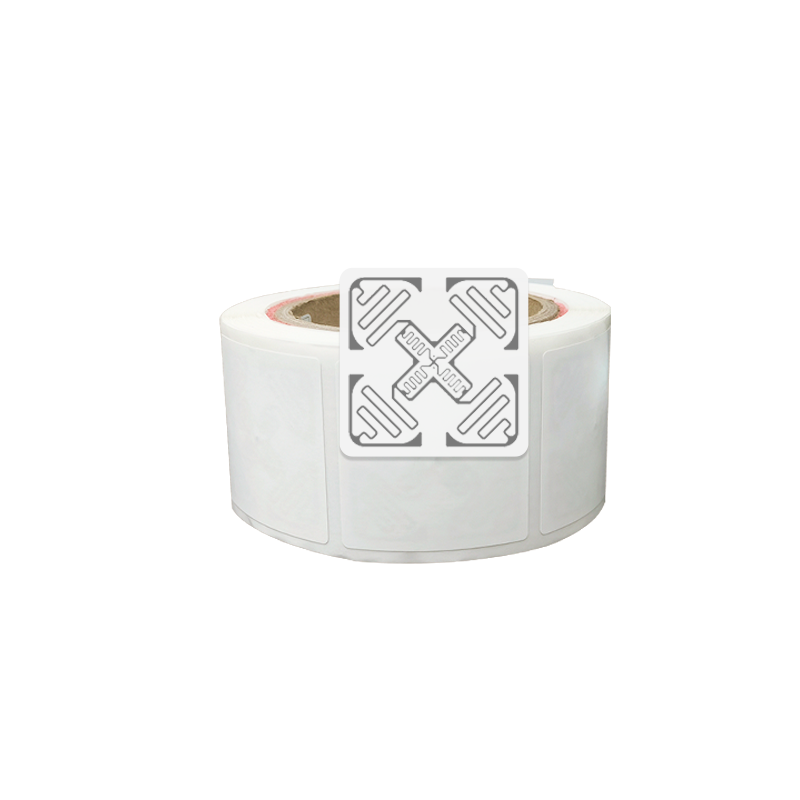
Warehouse RFID tags are electronic labels equipped with a small microchip and antenna. These tags communicate with RFID readers using radio frequency signals, allowing products, pallets, cartons, and assets to be identified automatically without direct line-of-sight scanning.
Unlike traditional barcodes, RFID tags can be read from a distance and multiple tags can be scanned simultaneously. This capability significantly improves operational speed and accuracy within modern warehouses.
Why Warehouses Are Adopting RFID Technology
As warehouse operations become more complex, manual inventory management often leads to misplaced items, stock discrepancies, and delayed shipments. Warehouse RFID tags address these challenges by providing automated data collection and real-time inventory visibility.
Some of the key advantages include:
Improved Inventory Accuracy
Inventory errors can disrupt operations and impact customer satisfaction. Warehouse RFID tags help maintain accurate inventory records by automatically capturing product movement throughout the warehouse.
With real-time updates, warehouse managers can quickly locate items, verify stock levels, and reduce costly inventory discrepancies.
Faster Inventory Counts
Traditional stocktaking often requires significant labor and time. RFID technology enables entire sections of inventory to be scanned within minutes.
By using warehouse RFID tags, businesses can conduct frequent inventory audits without interrupting daily operations, resulting in better inventory control and improved decision-making.
Enhanced Warehouse Efficiency
Warehouse staff spend less time searching for products and manually recording data when RFID systems are implemented. Automated identification speeds up receiving, put-away, picking, packing, and shipping processes.
This improved workflow helps warehouses process orders faster while maintaining high levels of accuracy.
Real-Time Asset Tracking
Many warehouses manage not only products but also valuable assets such as containers, racks, carts, and equipment. Warehouse RFID tags provide continuous visibility into asset locations, helping reduce loss and improve resource utilization.
Common Applications of Warehouse RFID Tags
RFID technology can be applied across various warehouse operations, including:
- Inventory management
- Pallet tracking
- Carton identification
- Asset management
- Order fulfillment
- Shipping verification
- Receiving and outbound logistics
- Return management
Whether operating a distribution center, e-commerce fulfillment center, manufacturing warehouse, or third-party logistics facility, warehouse RFID tags can help streamline operations and improve overall performance.
Choosing the Right Warehouse RFID Tags
Selecting suitable warehouse RFID tags depends on several factors, including environmental conditions, reading distance requirements, and the types of items being tracked.
Important considerations include:
- Tag durability
- Read range performance
- Attachment methods
- Material compatibility
- Warehouse environment
- Data storage requirements
For warehouses with metal shelving, liquid products, or harsh operating conditions, specialized RFID tags may be required to ensure consistent performance.
The Future of Warehouse Management
As supply chains continue to evolve, data-driven warehouse operations are becoming increasingly important. Businesses that invest in warehouse RFID tags gain access to more accurate information, better inventory visibility, and greater operational efficiency.
RFID technology supports faster decision-making, reduces manual workload, and helps warehouses adapt to growing customer expectations. With the demand for real-time inventory data continuing to rise, warehouse RFID tags are becoming an essential tool for modern warehouse management.
Warehouse RFID tags offer a practical and scalable solution for businesses seeking to improve inventory accuracy, increase productivity, and enhance supply chain visibility. By automating tracking processes and providing real-time data, RFID technology helps warehouses operate more efficiently while reducing costly errors.
For organizations looking to modernize their warehouse operations and gain a competitive advantage, implementing warehouse RFID tags is a smart step toward a more efficient and connected future.