




What Design Considerations Matter for RFID Tags on Moving Parts?
RFID technology can help manufacturers identify and track moving components in industrial equipment, automated production lines, rotating machinery, and material handling systems. However, installing RFID tags on moving parts requires more careful design than attaching tags to stationary assets.
Moving components may experience continuous vibration, rotation, friction, mechanical impact, and changing environmental conditions. These factors can affect the physical stability of an RFID tag and the consistency of communication between the tag and reader.
A suitable RFID solution must therefore consider both mechanical and radio-frequency requirements. Tag dimensions, mounting methods, material compatibility, antenna design, and reader positioning all influence whether the system can operate reliably.
This article explains the key design considerations when integrating RFID tags into moving parts.
Understand the Movement and Mechanical Conditions
Before selecting an RFID tag, determine how the component moves during normal operation.
Different types of movement create different mechanical challenges.
For example:
-
Rotating parts: Centrifugal forces and rotational movement may place additional stress on the tag and its mounting structure.
-
Vibrating components: Continuous vibration can gradually loosen mechanical fasteners or weaken adhesive bonds.
-
Sliding parts: Repeated friction may damage exposed tag surfaces or protective housings.
-
Reciprocating components: Repeated movement can create mechanical stress around the installation area.
-
Moving production fixtures: Frequent handling and contact with other objects may expose tags to impact or abrasion.
The assessment should include movement speed, vibration conditions, operating cycles, potential impact, and the expected service environment.
Understanding these conditions helps determine whether a standard RFID label, a rugged tag, or a customized design is more appropriate.
Choose a Mounting Method That Can Withstand Movement
The mounting method is one of the most important considerations for RFID tags installed on moving parts.
A tag that works well on a stationary surface may become detached when exposed to continuous vibration or mechanical stress.
Common mounting options include:
Adhesive Mounting
Adhesive-backed RFID tags can be suitable for moving components when the mounting surface and operating conditions are compatible with the adhesive.
Before choosing this method, evaluate:
-
Surface material and surface finish.
-
Temperature during operation.
-
Vibration and mechanical stress.
-
Exposure to oils, moisture, and cleaning agents.
-
Adhesive curing and installation requirements.
Surface preparation is particularly important. Oil, dust, and other contaminants can reduce adhesion and increase the risk of detachment.
Screw or Mechanical Mounting
Mechanical mounting may be more appropriate for components exposed to substantial vibration or repeated handling.
Some industrial RFID tags include mounting holes or dedicated attachment structures.
The mounting design should prevent loosening during operation without damaging the tag antenna or interfering with the component's mechanical function.
Embedded Mounting
For components designed with dedicated installation areas, embedding an RFID tag into a non-metallic section or protective housing can reduce direct exposure to impact and abrasion.
However, embedded installation requires careful consideration of surrounding materials and the effect of the housing on RFID communication.
The mounting method should be selected according to the actual mechanical conditions rather than convenience alone.
Consider Centrifugal Force on Rotating Components
Rotating components require particular attention because the tag and mounting structure experience forces associated with rotational movement.
The effect depends on rotational speed, the tag's mass, and its distance from the axis of rotation.
As rotational speed increases, the mechanical load associated with centrifugal force also increases. A mounting method that is adequate for a slowly rotating component may not be suitable for a high-speed application.
When installing RFID tags on rotating parts:
-
Evaluate the component's maximum operating speed.
-
Consider the tag's mass and installation radius.
-
Avoid mounting positions that create unnecessary mechanical imbalance.
-
Ensure the mounting structure is appropriate for the expected forces.
-
Validate the installation under representative operating conditions.
For high-speed machinery, the tag and mounting arrangement should also be reviewed for mechanical safety. A loose tag can become a hazard, not merely an identification problem.
Select Materials That Match the Operating Environment
The material surrounding an RFID tag can influence both mechanical durability and RF performance.
Moving parts may include metal housings, plastic covers, rubber components, lubricants, and other materials that affect tag selection.
Important considerations include:
Metal components: Standard RFID tags may experience communication problems when mounted directly on metal. An RFID tag specifically designed for metal mounting may be required.
Plastic components: Plastic surfaces can provide suitable mounting locations for many RFID tags, but the surface shape, thickness, and surrounding materials should still be evaluated.
Rubber and flexible materials: Components that bend or deform may require a tag construction that can tolerate the expected movement without damaging the antenna.
Oils and chemicals: Protective materials and adhesives should be compatible with the substances encountered during operation.
Material selection should be based on the complete installation environment, not just the material directly beneath the tag.
Protect the Tag From Friction, Impact, and Physical Damage
Moving components may come into contact with other parts, tools, fixtures, or surrounding equipment.
If an RFID tag is installed in an exposed position, repeated contact can damage its antenna, housing, or attachment structure.
Consider the following design approaches:
-
Position the tag away from frequent contact areas.
-
Use a protective housing when additional physical protection is required.
-
Consider recessed installation where the component design allows it.
-
Avoid placing tags near moving joints or mechanical interfaces.
-
Check whether the tag increases the component's dimensions or interferes with its movement.
Protection should not compromise RF communication. A metal cover, for example, may shield the tag from physical damage while also preventing normal RFID communication.
The protective structure must therefore be evaluated as part of the complete RFID design.
Consider Tag Size, Weight, and Antenna Design
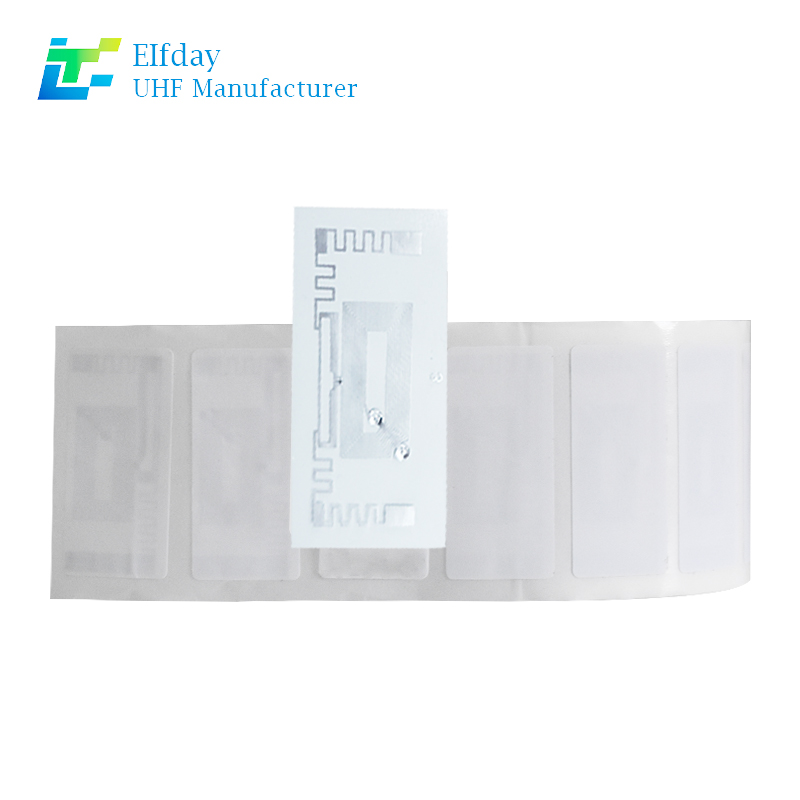
The physical dimensions of an RFID tag can affect its suitability for moving components.
A large or heavy tag may be difficult to install on a small component. On rotating parts, additional mass and mounting position may also influence mechanical balance.
However, selecting the smallest possible tag is not always the best approach.
Antenna dimensions, operating frequency, mounting material, and surrounding structures all influence RFID performance.
When comparing RFID tag designs, consider:
-
Overall length, width, and thickness.
-
Tag weight and mounting structure.
-
Antenna configuration.
-
Required operating frequency.
-
Available installation area.
-
Performance after installation on the actual component.
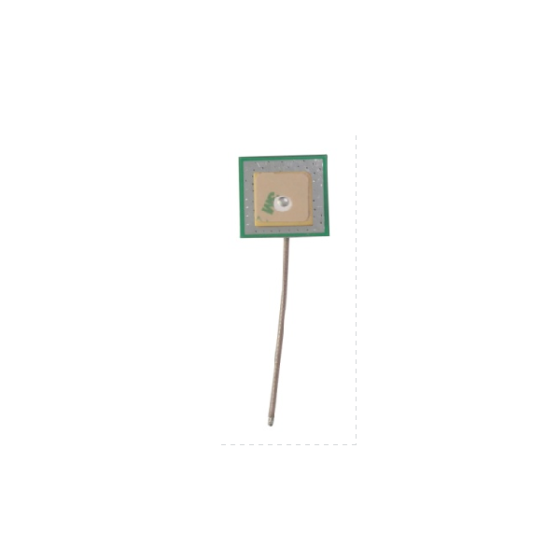
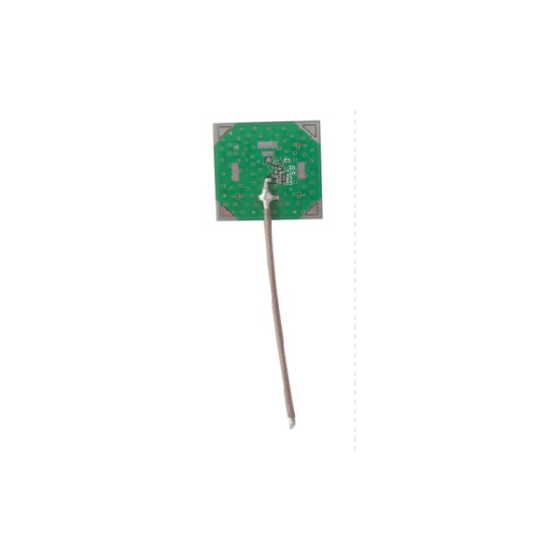
A compact customized RFID tag may be worth considering when standard products cannot meet the mechanical and installation requirements.
Plan Reader and Antenna Placement for Moving Tags
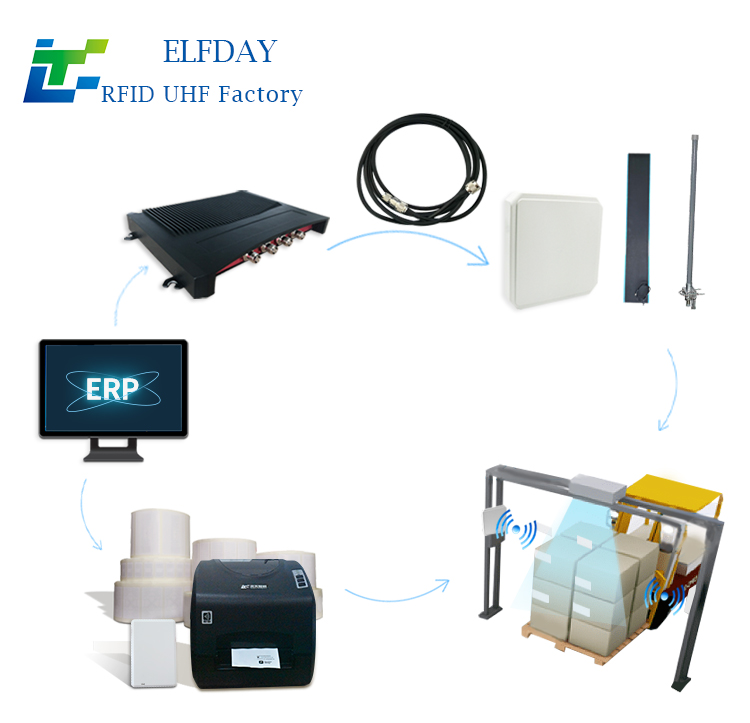
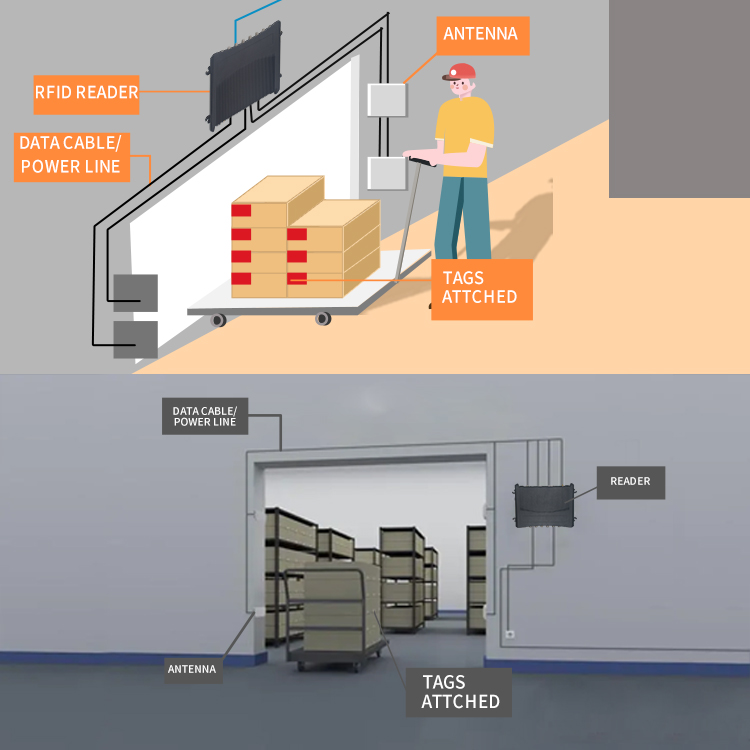
Mechanical installation is only one part of the challenge. The RFID reader must also identify the tag while the component is moving.
Unlike stationary assets, moving components may enter and leave the reader's communication zone within a limited period.
This creates several design considerations:
-
The direction and speed of component movement.
-
The distance between the tag and reader antenna.
-
Tag orientation during movement.
-
The size and position of the read zone.
-
Potential signal obstruction from nearby machinery.
-
The time available for identification.
For example, an RFID tag installed on a rotating fixture may change orientation continuously relative to a fixed antenna. The system should be tested across representative rotational positions.
In automated production lines, reader and antenna placement should be coordinated with conveyor speed and the expected tag position.
A well-designed tag cannot compensate for an unsuitable reader configuration. Both sides of the system must be evaluated together.
Test RFID Performance Under Dynamic Conditions
Testing a tag while it is stationary is not enough when the final application involves continuous movement.
The tag should be evaluated under conditions that represent actual operation.
A practical testing process includes:
-
Install the RFID tag using the intended mounting method.
-
Test initial readability while the component is stationary.
-
Operate the component under representative movement conditions.
-
Evaluate different orientations and movement positions.
-
Inspect the tag for loosening, deformation, or physical damage.
-
Repeat the test over representative operating cycles.
-
Compare identification results with the application's requirements.
For rotating components, testing should include the expected range of operating speeds and installation positions.
For vibrating equipment, evaluate whether the mounting structure remains secure after repeated operation.
Testing should also consider changes in reader position, antenna configuration, and nearby equipment.
The objective is to confirm that the complete RFID installation remains mechanically secure and functionally suitable during normal operation.
Consider Maintenance and Replacement Requirements
RFID tags installed on moving parts may be difficult to access after equipment assembly.
If a tag becomes damaged or needs replacement, the maintenance process may require equipment shutdown or partial disassembly.
These requirements should be considered during the initial design stage.
Useful questions include:
-
Can the tag be inspected without dismantling the component?
-
Is the mounting position accessible to maintenance personnel?
-
Can a damaged tag be replaced using standard tools?
-
Will replacement affect the component's balance or alignment?
-
Can the new tag be associated with the correct asset record?
For equipment with regular maintenance schedules, accessible mounting positions and clearly documented replacement procedures can simplify long-term management.
Work With an RFID Supplier on Application-Specific Design
Moving-part applications often involve mechanical and RF requirements that cannot be addressed by selecting a tag based on size or frequency alone.
An RFID supplier can help evaluate suitable tag constructions, mounting methods, antenna designs, and reader configurations.
Before requesting a solution, prepare the following information:
-
Component dimensions and material.
-
Type of movement, such as rotation, vibration, or sliding.
-
Operating speed and expected mechanical conditions.
-
Available installation space.
-
Environmental exposure.
-
Required RFID frequency.
-
Reader and antenna configuration.
-
Maintenance and replacement requirements.
For demanding applications, a customized RFID tag may be necessary to achieve a suitable balance between mechanical stability, installation constraints, and identification performance.
Installing RFID tags on moving parts requires careful consideration of mechanical forces, mounting stability, material compatibility, antenna design, and dynamic reading conditions.
The right solution depends on how the component moves, the environment in which it operates, and how the RFID system is expected to identify it.
By evaluating the mechanical installation and RF communication requirements together, manufacturers can reduce integration problems and develop a more practical RFID identification solution for moving components.
Looking for RFID tags for rotating machinery, moving equipment, or automated production lines? EFLDAY can help evaluate your application requirements and identify suitable RFID tag designs, mounting options, and reader configurations.

