



What Is an RFID Tag? A Complete Guide to RFID Tags
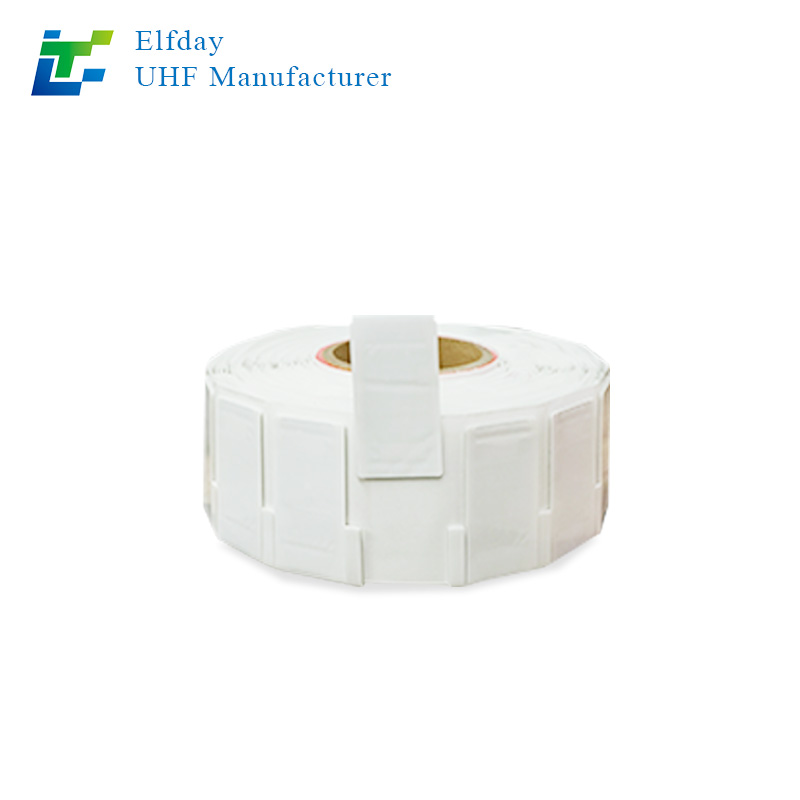
An RFID tag is a small electronic device used to identify and track objects using radio frequency technology. Unlike a barcode, an RFID tag does not normally require direct line-of-sight with a reader. An RFID reader can communicate with the tag wirelessly and capture its stored identification data.
RFID tags are widely used in inventory management, logistics, retail, manufacturing, asset tracking, healthcare, libraries, laundry management, and many other applications.
But not all RFID tags are the same. Different applications require different frequencies, chip technologies, antenna designs, materials, sizes, and levels of durability.
This guide explains what an RFID tag is, how it works, the different types of RFID tags, where they are used, and how to choose the right RFID tag for a specific application.
What Is an RFID Tag?
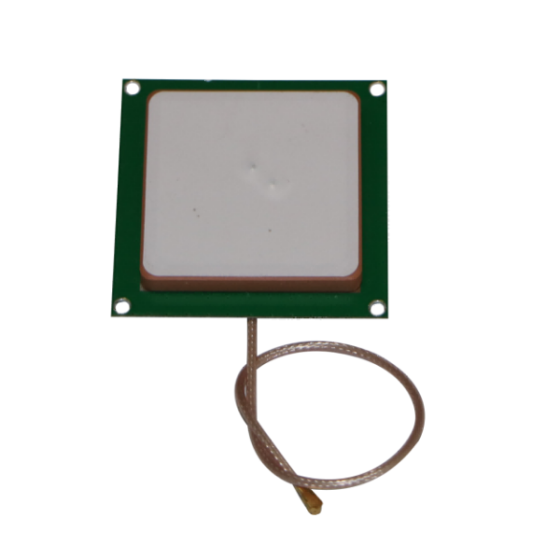
An RFID tag is an electronic identification device that stores information and communicates with an RFID reader through radio waves.
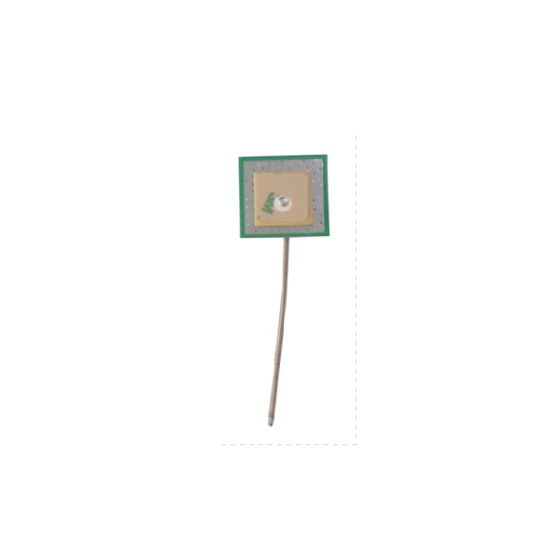
A typical RFID tag consists of two primary components:
-
RFID chip: Stores identification data and manages communication with the reader.
-
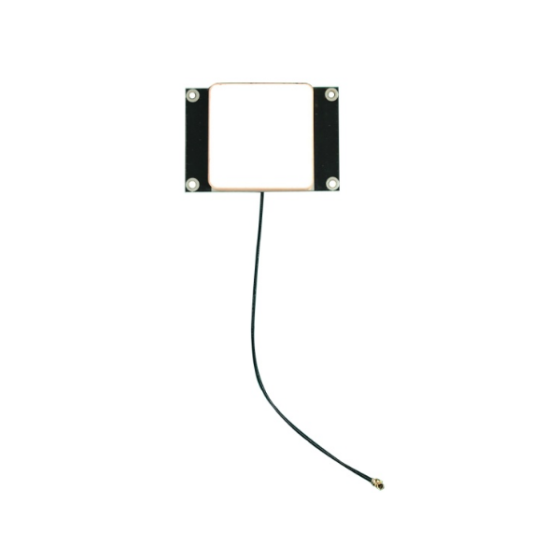
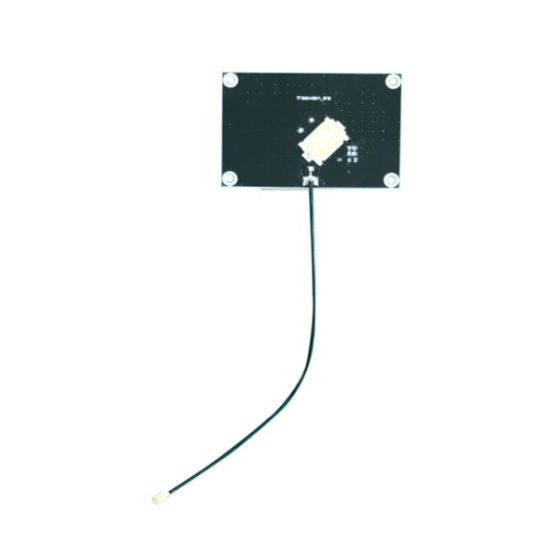
RFID antenna: Receives radio frequency signals and transmits data between the tag and reader.
The chip and antenna are usually embedded or attached to a substrate or housing designed for the intended application.
Depending on the design, an RFID tag may be attached to a product, pallet, container, piece of equipment, garment, vehicle, book, animal, or other physical asset.
The basic purpose of an RFID tag is simple:
Give a physical object a unique digital identity that can be detected and identified wirelessly.
How Does an RFID Tag Work?
The operation of an RFID tag depends on the type of RFID system, but the basic process is relatively straightforward.
1. The RFID reader sends a radio signal
An RFID reader uses an antenna to transmit a radio frequency signal.
The signal creates the communication field needed to detect RFID tags within the reader's operating range.
2. The RFID tag receives the signal
When a compatible RFID tag enters the reader's field, the tag detects the radio signal.
For passive RFID tags, the incoming RF energy can be used to power the tag's chip temporarily.
3. The RFID chip processes the request
The RFID chip processes the communication from the reader and accesses the information stored in its memory.
Depending on the tag and system, this information may include a unique identification number or other encoded data.
4. The RFID tag sends information back
The tag communicates its stored information back to the RFID reader using radio frequency technology.
The reader receives and processes the response.
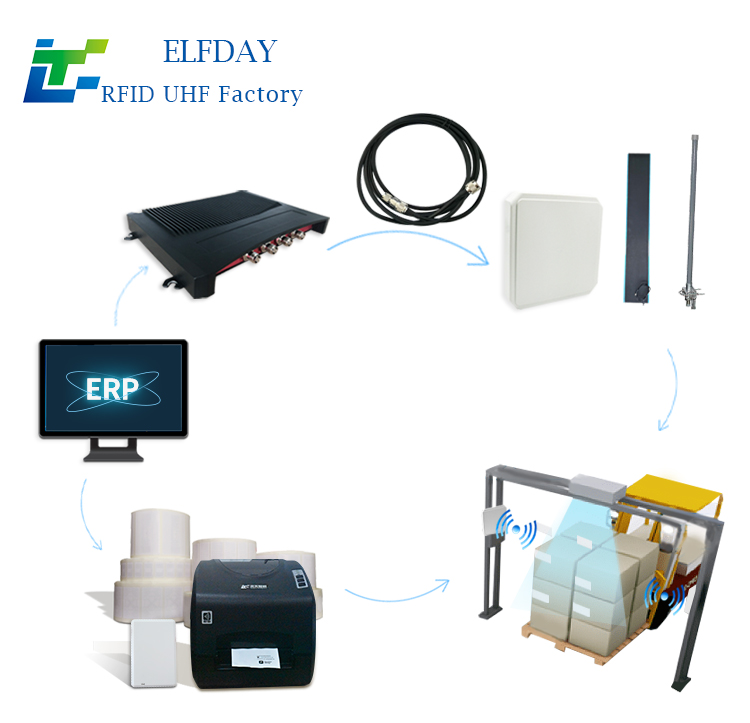
5. The RFID system connects the identification data with business information
The RFID reader can send the captured tag information to software or a database.
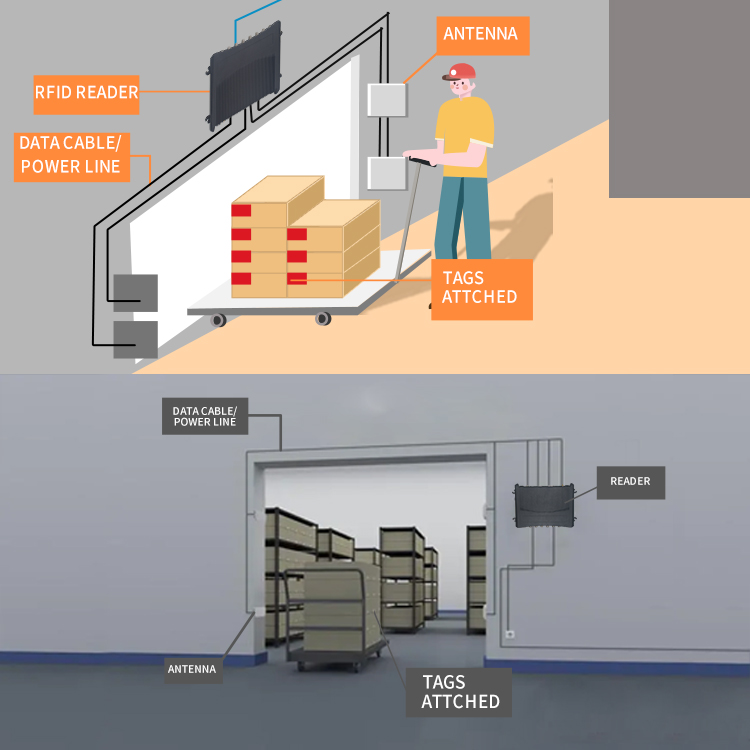
For example, when an RFID tag is attached to a warehouse pallet, the RFID system can associate the tag's unique ID with information about that pallet, such as its contents, location, status, or movement history.
This is what allows RFID technology to connect physical objects with digital information.
What Are the Main Types of RFID Tags?
RFID tags can be classified in several ways, including their power source, operating frequency, physical construction, and intended application.
The three common power categories are passive RFID tags, active RFID tags, and semi-passive RFID tags.
Passive RFID Tags
A passive RFID tag does not contain its own battery.
Instead, it receives energy from the radio frequency signal generated by an RFID reader. This energy powers the chip so that the tag can communicate with the reader.
Passive RFID tags are generally:
-
Small and lightweight
-
Cost-effective
-
Suitable for high-volume deployment
-
Available in many form factors
-
Commonly used for inventory and asset identification
Passive RFID technology is widely used in retail, logistics, warehousing, manufacturing, libraries, and asset tracking.
Active RFID Tags
An active RFID tag contains its own battery.
The battery provides power for the tag's electronic components and allows the tag to operate over longer distances or support additional functionality, depending on the system design.
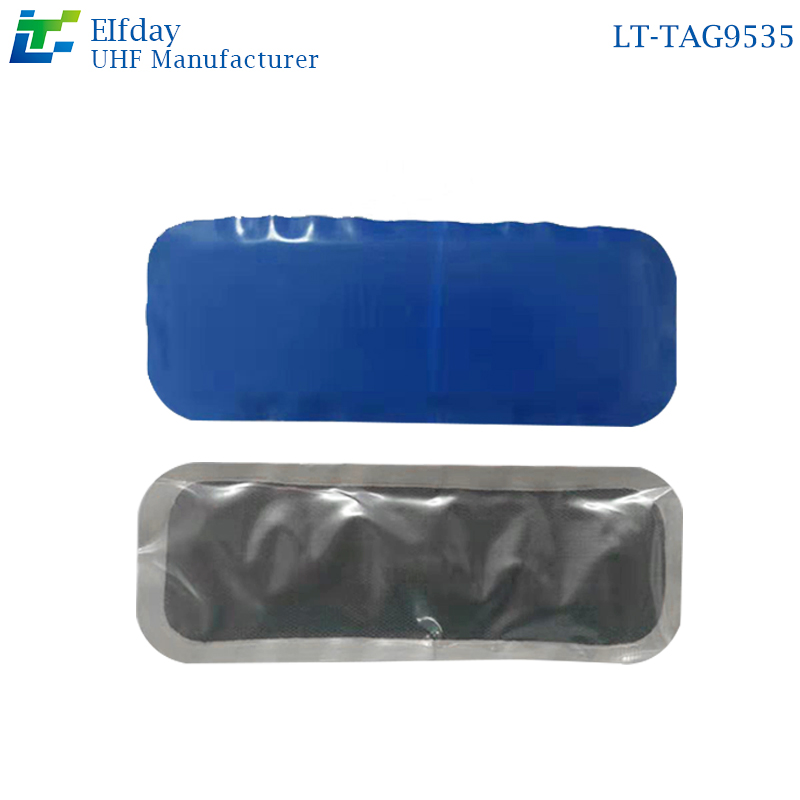
Active RFID tags are commonly considered for applications where longer read ranges, continuous monitoring, or additional sensing capabilities are required.
Semi-Passive RFID Tags
Semi-passive RFID tags, also called battery-assisted RFID tags in some applications, use a battery to power certain tag functions while still communicating with an RFID reader.
This type of design can be useful when an application requires more functionality than a standard passive RFID tag can provide.
What Are RFID Frequencies?
RFID systems operate at different frequency ranges. The most common categories include LF, HF, and UHF RFID.
LF RFID
Low-frequency RFID generally operates around 125–134 kHz.
LF RFID systems are commonly used for applications such as animal identification, access control, and certain specialized identification systems.
HF RFID
High-frequency RFID typically operates at 13.56 MHz.
HF RFID technology is used in applications including:
-
Library management
-
Access control
-
Ticketing
-
NFC-related applications
-
Product identification
-
Healthcare
UHF RFID
Ultra-high-frequency RFID is commonly used for applications that require faster identification and longer read ranges.
UHF RFID is widely used for:
-
Warehouse inventory
-
Supply chain management
-
Retail inventory
-
Pallet tracking
-
Asset tracking
-
Manufacturing
-
Logistics
The actual performance of an RFID tag depends on the chip, antenna, reader, environment, tag orientation, reader power, and other system factors.
What Is the Difference Between an RFID Tag and a Barcode?
RFID tags and barcodes are both used for identification and tracking, but they operate differently.
| Feature | RFID Tag | Barcode |
|---|---|---|
| Communication | Radio frequency | Optical scanning |
| Line of sight | Usually not required | Usually required |
| Multiple-item reading | Possible | Usually one at a time |
| Data storage | Can store electronic data | Stores encoded visual information |
| Read-through materials | Possible in suitable conditions | Generally not |
| Rewriting | Possible with suitable RFID tags | Usually not |
| Environmental durability | Can be designed for harsh environments | Depends heavily on label material |
| Automation | High potential | Requires optical scanning |
RFID does not necessarily replace barcodes in every application. Instead, the appropriate technology depends on the operational requirements, environment, cost, and identification process.
What Are RFID Tags Used For?
RFID tags can be used wherever businesses need to identify, track, count, or manage physical objects.
RFID Tags for Inventory Management
RFID tags can provide individual identities for products and inventory items.
Instead of manually checking each item, RFID readers can identify multiple tagged items within the reader's operating area.
This can help businesses improve inventory visibility and reduce manual counting work.
RFID Tags for Warehouse Management
Warehouses can use RFID tags on:
-
Pallets
-
Cartons
-
Containers
-
Products
-
Racks
-
Returnable assets
RFID can support receiving, inventory counting, picking, shipping, and movement tracking.
RFID Tags for Asset Tracking
RFID tags can give equipment and other physical assets unique digital identities.
Businesses can use RFID systems to track assets as they move between storage areas, workstations, warehouses, and other locations.
RFID Tags for Manufacturing
Manufacturers can use RFID tags to identify:
-
Raw materials
-
Components
-
Work-in-progress products
-
Finished goods
-
Production tools
-
Containers
-
Equipment
This can improve visibility across different stages of the manufacturing process.
RFID Tags for Retail
Retailers can attach RFID tags to individual products to improve inventory visibility.
RFID can help employees locate products, perform inventory counts, identify missing items, and support replenishment activities.
RFID Tags for Libraries
Libraries can use RFID tags to identify books and other media.
RFID systems can support automated check-in, check-out, inventory management, sorting, and item identification.
RFID Tags for Laundry and Textile Management
Specialized RFID tags can be attached to garments, uniforms, towels, linens, and other reusable textile products.
These tags can help organizations track items throughout washing, storage, distribution, and return processes.
RFID Tags for Animal Identification
Specialized RFID tags, including animal ear tags and injectable or other application-specific forms, can be used to identify animals.
The appropriate RFID frequency and tag construction depend on the animal, identification method, reading distance, and regulatory requirements.
Can RFID Tags Be Used on Metal?
Yes, but a standard RFID tag may not perform properly when attached directly to metal.
Metal can interfere with the electromagnetic field and significantly affect RFID communication.
For metal surfaces, on-metal RFID tags or anti-metal RFID tags are typically designed with structures that help isolate the antenna from the metal surface.
These tags can be used for:
-
Metal equipment
-
Machinery
-
Tools
-
Steel containers
-
Automotive components
-
Industrial assets
-
Metal pallets
When selecting an RFID tag for metal, it is important to test the actual tag on the target material rather than relying only on the nominal read range.
How Far Can an RFID Tag Be Read?
There is no single read distance that applies to every RFID tag.
RFID read range depends on multiple factors, including:
-
RFID frequency
-
Tag antenna design
-
RFID chip
-
Reader power
-
Reader antenna
-
Tag orientation
-
Mounting surface
-
Material surrounding the tag
-
Environmental conditions
-
Reader configuration
For example, a UHF RFID tag designed for long-range identification may perform very differently from a small HF RFID tag designed for short-range applications.
Therefore, read range should always be evaluated as part of the complete RFID system rather than as an isolated tag specification.
How Long Do RFID Tags Last?
The lifespan of an RFID tag depends on its construction and application.
A simple paper-based RFID label may be intended for short-term product identification, while a rugged industrial RFID tag can be designed for long-term use in demanding environments.
Factors affecting RFID tag lifespan include:
-
Housing material
-
Adhesive
-
Operating temperature
-
Moisture exposure
-
Chemical exposure
-
Mechanical impact
-
UV exposure
-
Frequency of handling
-
Installation method
For reusable assets, choosing a durable RFID tag specifically designed for the operating environment can significantly improve long-term reliability.
How Do You Choose the Right RFID Tag?
Choosing an RFID tag should start with the application rather than the tag's appearance or price.
Consider the following factors.
1. What object will be tagged?
Determine whether the RFID tag will be attached to:
-
Plastic
-
Cardboard
-
Glass
-
Wood
-
Fabric
-
Metal
-
Other materials
The surface can have a major impact on RFID performance.
2. What is the required read distance?
Determine how far away the reader needs to identify the tag.
Short-range applications may require a very different tag design from warehouse or logistics applications.
3. What environment will the tag operate in?
Consider exposure to:
-
Water
-
Heat
-
Cold
-
Chemicals
-
Dust
-
Pressure
-
Impact
-
Outdoor conditions
Industrial environments may require ruggedized RFID tags.
4. What RFID frequency is required?
The application determines whether LF, HF, or UHF RFID is appropriate.
Frequency selection should consider the required read range, data requirements, reader infrastructure, tagged materials, and operating environment.
5. Is the tag disposable or reusable?
For one-time product identification, a standard RFID label may be sufficient.
For reusable assets, containers, tools, or equipment, a more durable RFID tag may provide better long-term value.
6. What size and form factor are required?
RFID tags are available in many shapes and sizes.
The available mounting space and required performance should be considered when selecting the tag dimensions.
7. Does the tag need to be customized?
RFID tags can often be customized according to:
-
Size
-
Shape
-
Material
-
Adhesive
-
Printing
-
Chip
-
Antenna
-
Housing
-
Encoding requirements
Customization can be particularly important for specialized industrial applications.
What Information Can an RFID Tag Store?
The amount and type of information an RFID tag can store depends on the RFID chip.
In many applications, the tag primarily contains a unique identification number.
The RFID system then uses this identifier to retrieve detailed information from a database.
For example:
RFID Tag ID → Product Database → Product Information
The database may contain information such as product number, location, inventory status, production information, or maintenance records.
This approach allows businesses to use a relatively small amount of data on the physical tag while maintaining much more detailed information in their software system.
RFID Tag vs RFID Reader: What Is the Difference?
An RFID tag and an RFID reader perform different functions.
An RFID tag is attached to the object being identified.
An RFID reader sends and receives radio frequency signals to communicate with the tag.
A complete RFID identification system may also include:
-
RFID tags
-
RFID readers
-
Reader antennas
-
RFID middleware
-
Database or enterprise software
-
Network infrastructure
The tag provides the object's identity, while the reader captures that identity and transfers the information to the software system.
Frequently Asked Questions About RFID Tags
Do RFID tags need batteries?
Not always. Most passive RFID tags do not contain batteries and receive energy from the RFID reader's radio signal. Active RFID tags contain their own batteries.
Can RFID tags be read without touching them?
Yes. RFID technology allows compatible readers to identify tags wirelessly without physical contact.
Do RFID tags need line of sight?
Generally, RFID tags do not require direct line of sight in the same way that barcodes do. However, materials, tag orientation, distance, and the surrounding environment can affect performance.
Can RFID tags be rewritten?
Some RFID tags have writable memory and can be programmed or rewritten, depending on the RFID chip and system configuration.
Can RFID tags be customized?
Yes. RFID tags can often be customized in terms of dimensions, materials, antenna design, chip type, printing, adhesive, housing, and encoding.
Can RFID tags be used outdoors?
Yes. RFID tags can be designed for outdoor applications, but the tag must be selected according to exposure to water, sunlight, temperature changes, impact, and other environmental conditions.
Are RFID tags waterproof?
Some RFID tags are designed to be water-resistant or waterproof. However, water resistance depends on the tag construction and should be verified against the requirements of the application.
Are RFID tags expensive?
RFID tag costs vary significantly depending on the RFID chip, antenna, materials, size, durability, customization, order quantity, and application requirements.
For high-volume applications, passive RFID tags can be relatively cost-effective on a per-unit basis.
An RFID tag is a wireless identification device that allows physical objects to be identified and tracked using radio frequency technology.
From simple inventory labels to rugged industrial tags, RFID tags are available in many different designs to meet different application requirements.
The right RFID tag depends on several factors, including frequency, read range, tagged material, operating environment, tag size, durability, chip type, and application requirements.
For standard products, passive UHF RFID tags can be an effective choice for inventory, warehouse, retail, logistics, and asset tracking. For metal surfaces or demanding industrial environments, specialized on-metal or rugged RFID tags may be more appropriate.
The most important step is to select the RFID tag based on the actual operating conditions and test the tag as part of the complete RFID system before large-scale deployment.