



Which RFID Tag Features Can Be Tailored to Your Application?
RFID tag features can be tailored to meet the identification, tracking, and environmental requirements of different applications. Depending on the tag design, businesses can select or customize the chip, antenna, memory configuration, physical dimensions, materials, mounting method, encoding, and protective structure.
The right configuration depends on what the tag will identify, where it will be installed, how it will be read, and how its data will be used. A retail inventory label, for example, may prioritize compact dimensions and cost efficiency, while an RFID tag attached to industrial equipment may need a durable housing and reliable performance on metal.
Understanding which features can be tailored makes it easier to define technical requirements and choose a tag that works with the intended RFID system.
1. RFID Chip Type and Capabilities
The RFID chip is one of the most important features to consider when configuring a tag. It affects the tag's supported functions, available memory, identification capabilities, and compatibility with the intended system.
Depending on the application, chip selection may involve:
-
Unique identification: Assigning an identifier to each product, component, or asset.
-
Memory capacity: Choosing a chip with sufficient memory for the required data.
-
Supported functions: Checking whether the chip supports specific commands or security-related capabilities.
-
System compatibility: Ensuring that the chip works with the selected RFID standard and reader infrastructure.
For many inventory and asset-tracking applications, a unique identifier is sufficient to retrieve detailed records from a connected database. Other applications may require additional chip features or writable memory.
The goal is to select a chip that supports the required workflow without paying for capabilities the application will not use.
2. RFID Frequency and Operating Technology
RFID tags operate at different frequencies, and the appropriate technology depends on how items need to be identified.
| Technology | Common applications | Important consideration |
| LF RFID | Animal identification and specialized identification systems | Short-range operation and application compatibility |
| HF RFID | Close-range identification, selected access systems, and item-level uses | Reading distance and supported standards |
| UHF RFID | Warehousing, logistics, retail inventory, and asset tracking | Multi-tag reading and reading-zone design |
| NFC | Smartphone-based product interactions and close-range identification | Compatibility with NFC-enabled devices |
Frequency selection is usually a foundational design decision rather than a simple adjustment to an existing tag. The chip, antenna, reader, and applicable standards must be compatible.
For example, UHF RFID may suit a warehouse that needs to identify many items during a stock count. NFC may be a better choice when a user needs to interact with a product using a compatible smartphone.
3. Antenna Design and Read Range
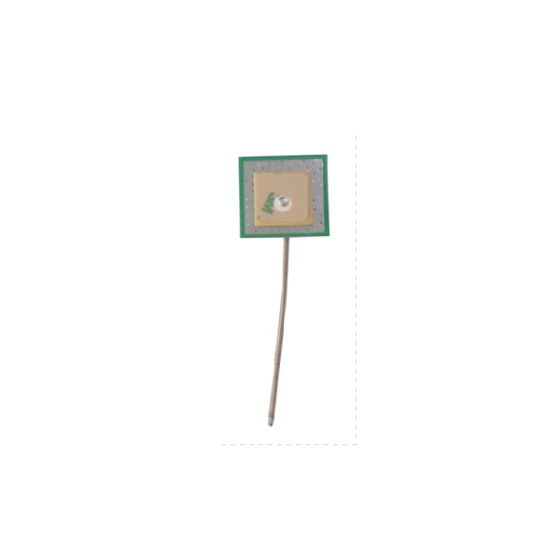
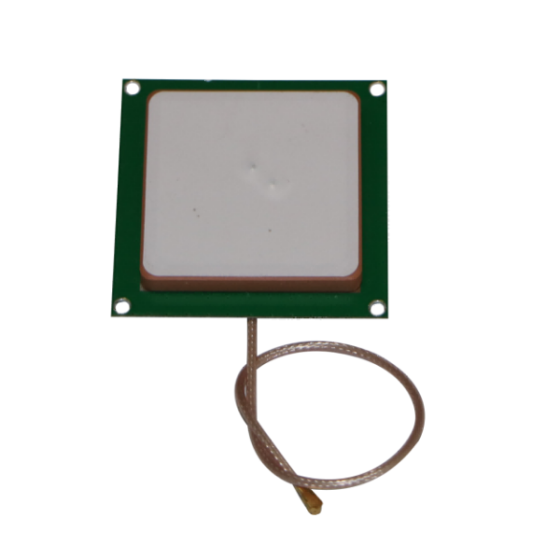
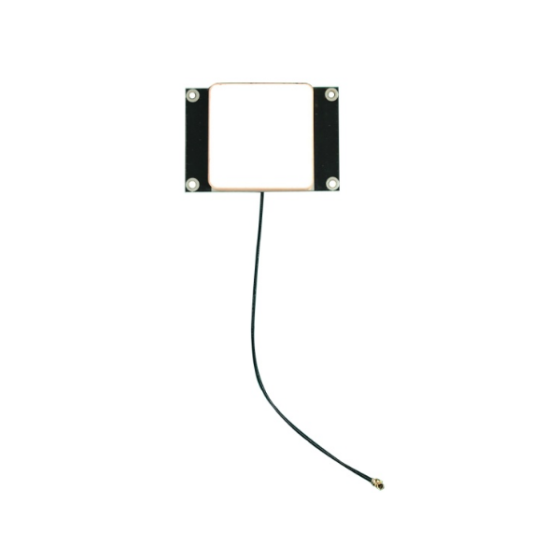
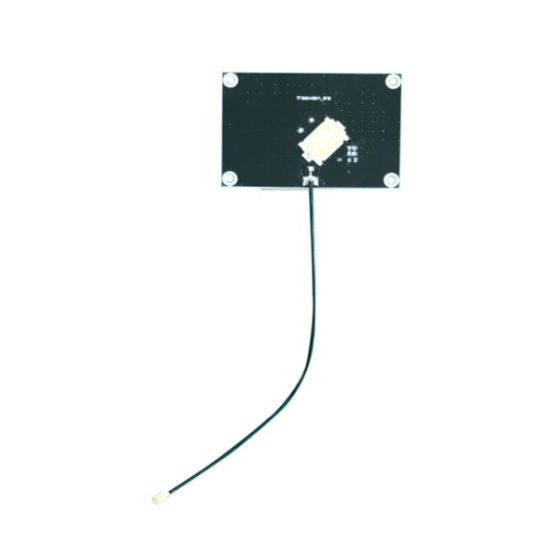
The antenna influences how an RFID tag communicates with a reader. Its design can be adapted to fit the available space and the application's reading requirements.
Relevant considerations include:
-
Antenna dimensions and layout.
-
Tag orientation and mounting position.
-
Required reading distance.
-
Whether multiple tags need to be read together.
-
The materials surrounding the tag.
-
The type and placement of the reader antenna.
A larger antenna is not automatically the best option. The appropriate design depends on the operating frequency, tag construction, target material, and reading environment.
For instance, a compact product label may need a space-efficient antenna, while a tag on a large reusable asset may allow a different design. Metal surfaces and nearby liquids can affect performance, so the tag should be tested in its intended mounting position.
Read range should be treated as a system-level result, not a guaranteed value determined by the tag alone.
4. Tag Size, Shape, and Form Factor
The physical form of an RFID tag can be selected to fit the target product or asset.
Common form factors include:
-
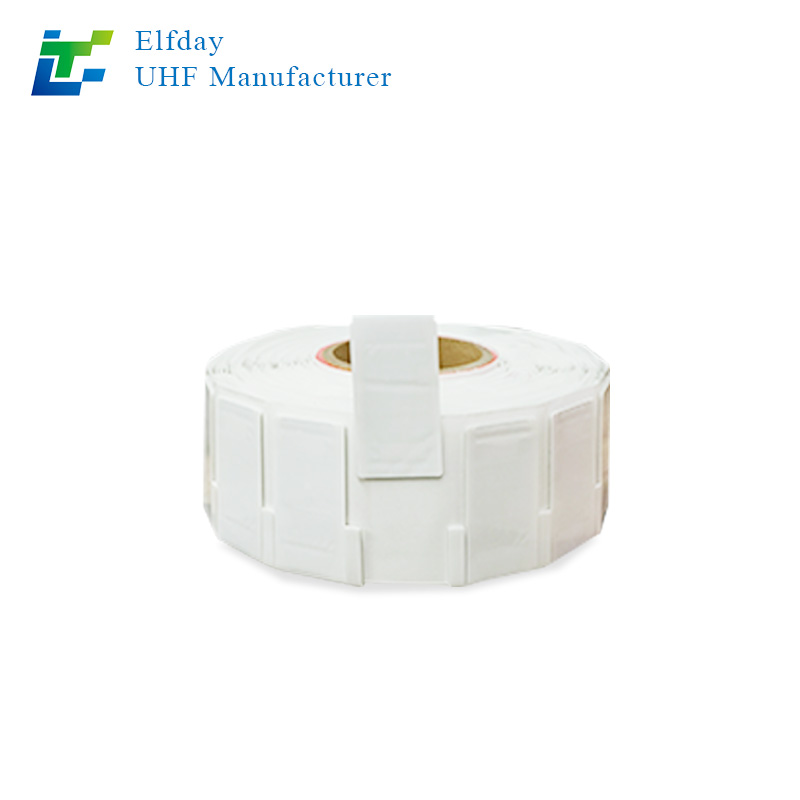
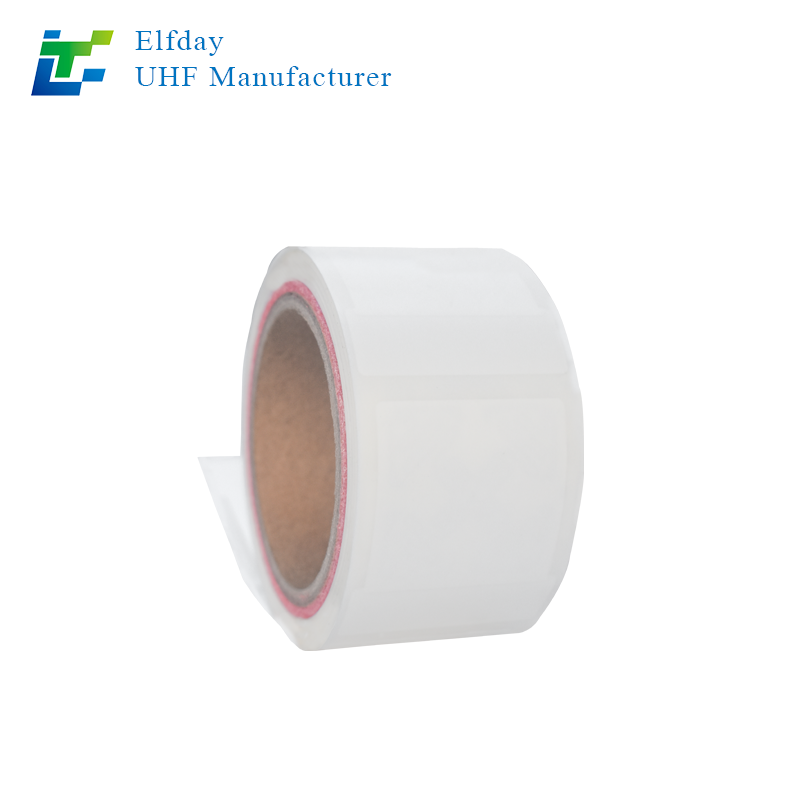
Thin labels: Suitable for many retail products, cartons, and packaging.
-
Compact tags: Designed for items with limited mounting space.
-
Rigid tags: Useful for tools, equipment, and reusable assets.
-
Flexible tags: Appropriate for selected curved surfaces or textile applications.
-
Specialized housings: Designed around particular installation or environmental requirements.
Size and shape affect more than appearance. They influence the available antenna area, attachment options, manufacturing cost, and ease of installation.
Before specifying dimensions, measure the mounting area and check whether the tag will be covered, bent, pressed against another surface, or placed close to metal or liquids.
5. Tag Materials and Environmental Protection
RFID tag materials can be chosen to suit the application's expected operating conditions and service life.
| Application condition | Features to consider |
| General packaging | Lightweight construction and suitable adhesive |
| Outdoor exposure | Moisture resistance, UV exposure, and temperature variation |
| Industrial handling | Impact resistance, abrasion protection, and secure attachment |
| Cold storage | Low-temperature performance and adhesive suitability |
| Chemical exposure | Compatibility with the specific chemicals involved |
| Repeated washing | Wash durability and appropriate textile construction |
Paper and synthetic labels may be suitable for different packaging requirements, while rigid plastic housings can provide additional mechanical protection for selected asset-tracking applications.
Protection levels must be specified carefully. Water resistance does not automatically mean that a tag can withstand high temperatures, industrial chemicals, or repeated impact. Check the applicable test conditions and verify performance under realistic use.
6. Mounting Methods and Attachment Features
A tag's mounting method affects installation time, attachment reliability, and long-term performance.
Depending on the tag and target asset, available options may include:
-
Pressure-sensitive adhesive.
-
Screws or rivets.
-
Cable ties or straps.
-
Sewn-in or textile-specific attachment.
-
Embedding or integration during manufacturing.
-
Custom mounting structures for particular equipment or containers.
Adhesive selection should account for the surface material, texture, cleanliness, temperature, and expected mechanical stress. A mounting method that works well on a smooth plastic container may not perform equally well on rough or oily metal equipment.
Mounting position is also important because it can affect both tag durability and RF performance. Testing different positions on the actual asset can help identify a suitable installation method.
7. Memory, Encoding, and Data Structure
RFID tag data features can often be configured to match an organization's identification and tracking process.
Depending on the chip, encoding equipment, and RFID standard, the tag may support a unique identifier and additional writable memory.
Customization may involve:
-
Unique identifiers for products or assets.
-
Pre-encoded tags delivered ready for use.
-
Defined numbering or identifier formats.
-
Additional application data where supported.
-
Data verification and duplicate-prevention procedures.
-
Integration with inventory, manufacturing, or asset-management software.
In many systems, the tag stores a unique identifier while detailed information remains in a database. When a reader captures the identifier, the software retrieves the corresponding record.
This approach helps organizations update asset information without needing to rewrite every tag. Before production, define the data format and confirm that the encoding process matches the system's requirements.
8. Printing and Visual Identification
RFID tags can combine electronic identification with printed information when the chosen format supports it.
Possible printed elements include:
-
Product or asset numbers.
-
Human-readable serial numbers.
-
Barcodes or QR codes.
-
Product descriptions.
-
Logos and other visual identifiers.
Visual information can help employees identify an item manually, resolve exceptions, or confirm that the correct tag has been applied.
For example, a warehouse label may combine an RFID identifier with a printed asset number. The RFID system supports electronic identification, while the printed number gives employees a convenient reference during inspections or maintenance.
The layout should remain readable and should not compromise the tag's physical fit or intended performance.
9. Specialized Features for Different Applications
Some applications require more specialized designs than general-purpose labels.
Metal asset tracking
Tools, machinery, racks, and metal containers may require on-metal RFID tags. These designs are intended to operate in the presence of metal and should be tested on the actual surface.
Reusable container tracking
Reusable containers may need durable housings, secure mounting, and a design suited to repeated handling, cleaning, and return cycles.
Textile identification
Laundry, uniforms, and other textiles may need flexible tags designed for the expected bending, washing, and mechanical stress.
Outdoor equipment
Tags used on outdoor equipment may need suitable housing, weather resistance, and attachment methods for changing environmental conditions.
Retail and warehouse inventory
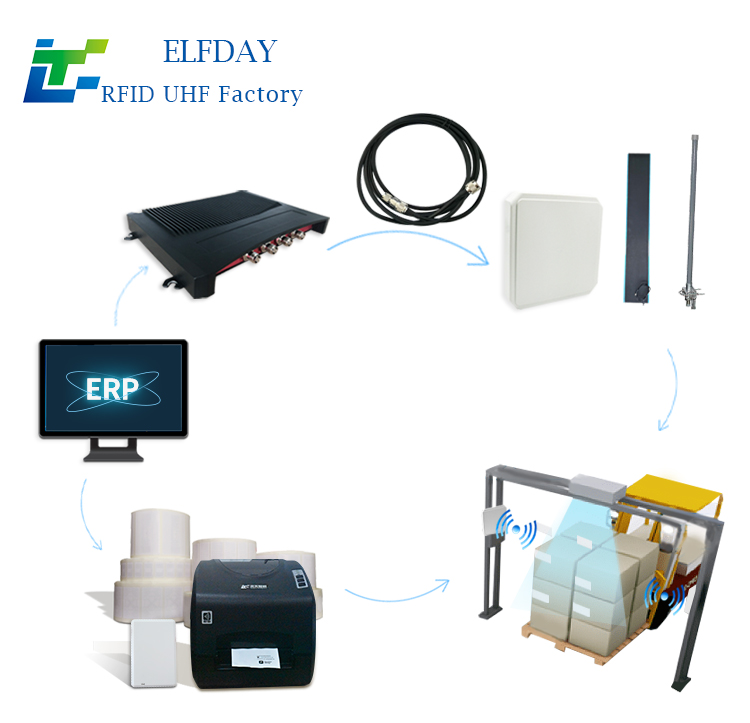
These applications often prioritize compatible frequency, efficient multi-tag reading, suitable label dimensions, and integration with inventory systems.
Not every feature requires a completely new tag design. Many requirements can be addressed by selecting an existing tag configuration that matches the application.
10. How to Decide Which Features to Customize
The most effective approach is to define the application requirements before choosing specific features.
Use the following checklist to guide the selection process:
-
Identify the target item. Record its material, dimensions, surface shape, and expected service life.
-
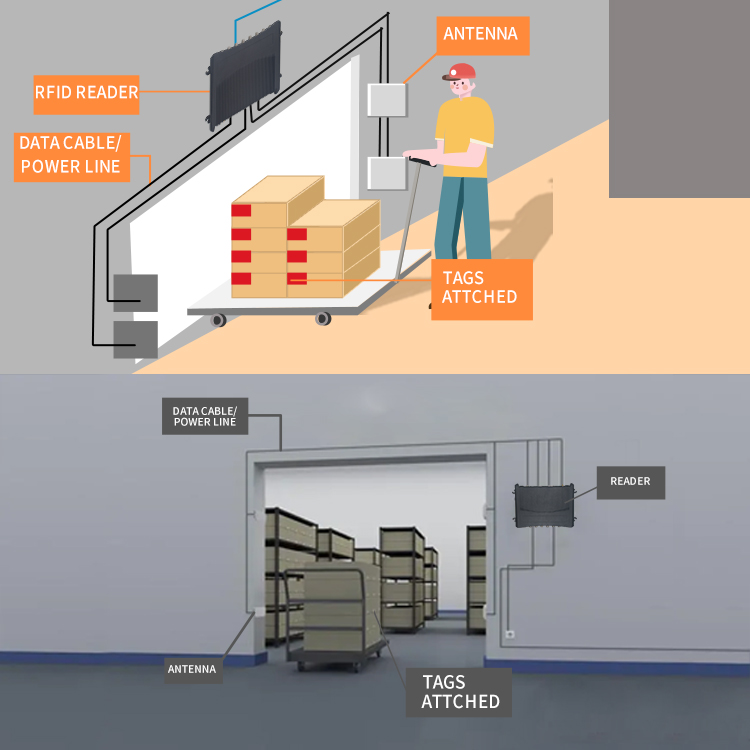
Define the reading workflow. Determine whether tags will be read by handheld devices, fixed readers, or smartphone-compatible equipment.
-
Set performance requirements. Specify the required reading distance, reading consistency, and multi-tag capabilities.
-
Assess environmental conditions. Consider moisture, dust, temperature, chemicals, impact, and repeated handling.
-
Define data requirements. Decide what should be encoded and how the identifier will connect to business records.
-
Select the mounting method. Confirm that the tag can be attached securely without interfering with the product's function.
-
Test samples. Validate performance using the actual item, reader configuration, and operating workflow.
-
Approve the specification. Document the tested design, encoding rules, installation position, and acceptance criteria before bulk production.
This process helps distinguish essential features from optional ones and reduces the risk of selecting a tag that meets the written specification but fails in actual use.
11. Does Every RFID Application Need Custom Features?
No. Standard RFID tags are often sufficient when the target items, materials, and reading conditions are relatively conventional.
Customization becomes more valuable when the application involves unusual dimensions, challenging surfaces, demanding environmental conditions, specific mounting requirements, or particular data workflows.
For example, a standard label may work well on ordinary packaging, while a metal asset may need a specialized tag. A reusable industrial container may require a durable housing even when its chip and frequency are standard.
The best solution is the simplest configuration that meets all important technical and operational requirements.
Frequently Asked Questions
Which RFID tag features are easiest to customize?
Depending on the tag format and supplier's capabilities, printing, encoding, dimensions, adhesive selection, and some housing options may be straightforward to specify. Chip selection and antenna redesign may require more detailed technical evaluation.
Can RFID tag read range be customized?
Read performance can be influenced by the chip, antenna design, tag size, mounting position, reader, and surrounding materials. The practical read range should be verified using the intended system and environment.
Can RFID tags be customized for metal surfaces?
Yes. On-metal RFID tags are designed for applications involving metal equipment, tools, racks, and containers. The selected tag should be tested in its intended mounting position.
Can RFID tags be supplied with pre-encoded data?
Yes, when the tag and encoding process support the required format. Identifier uniqueness, data accuracy, and compatibility with the tracking system should be confirmed before deployment.
How can businesses avoid unnecessary customization costs?
Start by documenting essential requirements and evaluating suitable standard tags first. Customize only the features that affect compatibility, performance, durability, or workflow, and test samples before committing to large production quantities.
RFID tag features that can be tailored include chip type, operating technology, antenna design, dimensions, materials, protective construction, mounting methods, memory configuration, encoding, and printing.
The right choices depend on the product or asset, required reading performance, environmental conditions, and the way the RFID system will use tag data. By defining these requirements and validating sample tags under realistic conditions, businesses can select a configuration that supports reliable identification without unnecessary complexity.