



NFC RFID Tags in Inventory Management Systems
In today’s fast-moving supply chain and retail environment, businesses need faster, more accurate, and more automated ways to manage inventory. Traditional manual tracking methods are no longer enough to handle large-scale operations efficiently.
This is where NFC RFID tags in inventory management systems are transforming the way businesses track, monitor, and control stock in real time.
What Are NFC RFID Tags in Inventory Systems?
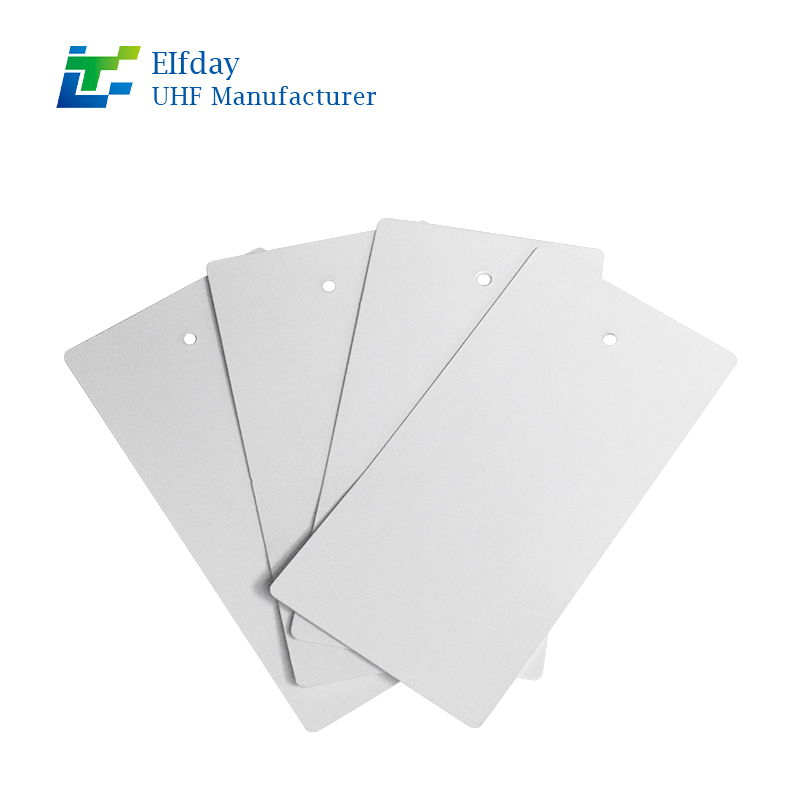
NFC RFID tags are small wireless chips attached to products, boxes, or assets that store and transmit data using radio frequency technology.
In inventory management systems, these tags allow businesses to:
- Identify items instantly
- Track stock movements automatically
- Update inventory records in real time
- Reduce manual scanning processes
Unlike barcodes, NFC RFID tags do not require line-of-sight scanning and can be read in bulk, making them ideal for modern warehouse operations.
How NFC RFID Tags Work in Inventory Management
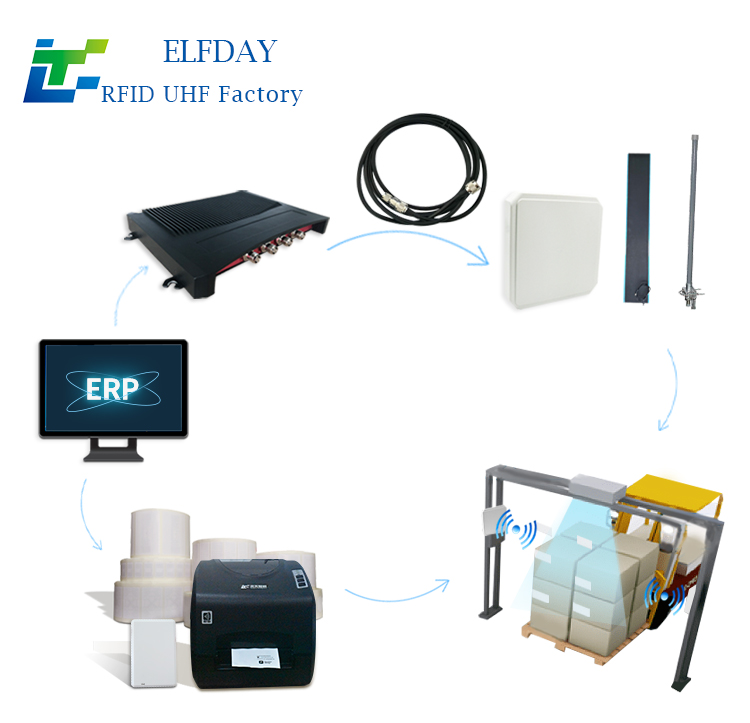
The system works through a simple automated process:
- Each product or asset is assigned an NFC RFID tag
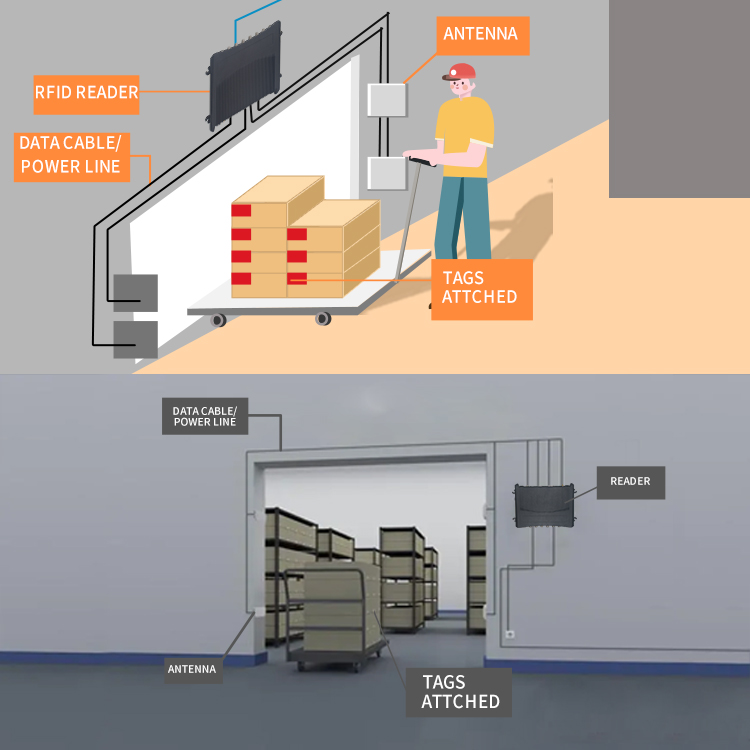
- RFID readers are installed in warehouses, shelves, or checkpoints
- When items pass through scanning zones, tags are detected automatically
- Data is sent to inventory management software
- The system updates stock levels in real time
This creates a fully automated inventory tracking workflow.
Key Benefits of NFC RFID Tags in Inventory Systems
1. Real-Time Inventory Visibility
Businesses can see exactly what is in stock at any moment, reducing uncertainty and stockouts.
2. Faster Inventory Counting
Instead of scanning items one by one, RFID systems can scan hundreds of tags simultaneously.
3. Reduced Human Error
Automation eliminates mistakes caused by manual data entry or barcode misreads.
4. Improved Warehouse Efficiency
Employees spend less time scanning and more time on value-added tasks like logistics optimization.
5. Better Stock Accuracy
Inventory discrepancies are significantly reduced due to continuous tracking.
6. Loss Prevention and Security
RFID systems help detect missing or misplaced items more quickly, improving asset control.
NFC vs RFID in Inventory Management
While both technologies are used in tracking systems, RFID is generally more suitable for large-scale inventory management.
- NFC: best for short-range, item-level interaction (e.g., product authentication)
- RFID: best for bulk tracking and warehouse automation
Many modern systems combine both technologies for maximum efficiency.
Common Use Cases in Inventory Management
Retail Inventory Control
- Real-time stock updates
- Automated replenishment alerts
- Shelf-level tracking
Warehouse Management
- Pallet and container tracking
- Fast stock audits
- Shipment verification
Manufacturing Operations
- Work-in-progress tracking
- Component monitoring
- Production line visibility
Logistics and Distribution
- Shipment tracking across facilities
- Delivery verification
- Supply chain visibility
Challenges of Implementation
While powerful, NFC RFID systems may require:
- Initial infrastructure investment
- Reader installation planning
- System integration with existing software
- Proper tag selection based on environment
However, most businesses recover costs through improved efficiency and reduced losses.
Future of NFC RFID in Inventory Systems
The future of inventory management is moving toward full automation and smart systems.
Key trends include:
- Integration with AI-based forecasting tools
- IoT-connected warehouse systems
- Cloud-based real-time inventory dashboards
- Smarter, cheaper RFID tags
- Wider adoption in small and medium businesses
As technology evolves, NFC RFID systems will become the backbone of digital inventory control.
NFC RFID tags in inventory management systems are revolutionizing how businesses track and control stock. By enabling real-time visibility, automation, and high accuracy, they provide a significant upgrade over traditional barcode-based systems.
For companies aiming to improve efficiency and scale operations, NFC RFID technology is no longer optional—it is becoming a core infrastructure for modern inventory management.