



How Warehouses Use NFC RFID Tags for Smart Tracking
In modern logistics and supply chain operations, warehouses are under constant pressure to improve speed, accuracy, and efficiency. Traditional manual tracking systems are no longer sufficient to handle large-scale inventory movement.
This is why many warehouses are adopting NFC RFID tags for smart tracking systems to automate operations and gain real-time visibility over goods and assets.
What Role Do NFC RFID Tags Play in Warehouses?
NFC RFID tags are attached to products, pallets, containers, or storage racks to enable automatic identification and tracking.
In warehouse environments, they help businesses:
- Track inventory in real time
- Automate stock counting
- Reduce manual scanning work
- Improve accuracy in order fulfillment
These tags act as digital identifiers that connect physical goods to warehouse management systems.
How NFC RFID Tracking Works in a Warehouse
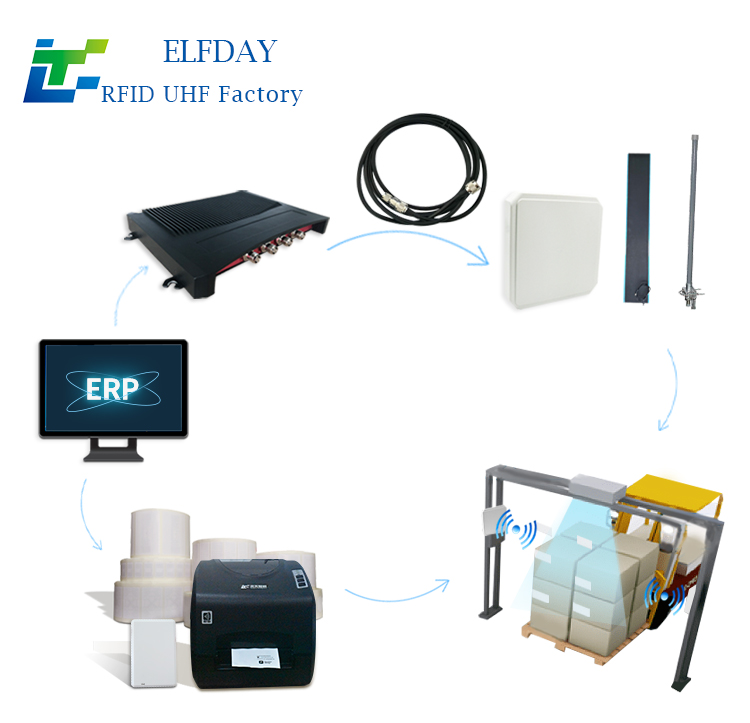
The process is highly automated and efficient:
1. Tagging Inventory
Each item, box, or pallet is assigned an NFC RFID tag containing a unique ID or data.
2. Data Capture at Entry Points
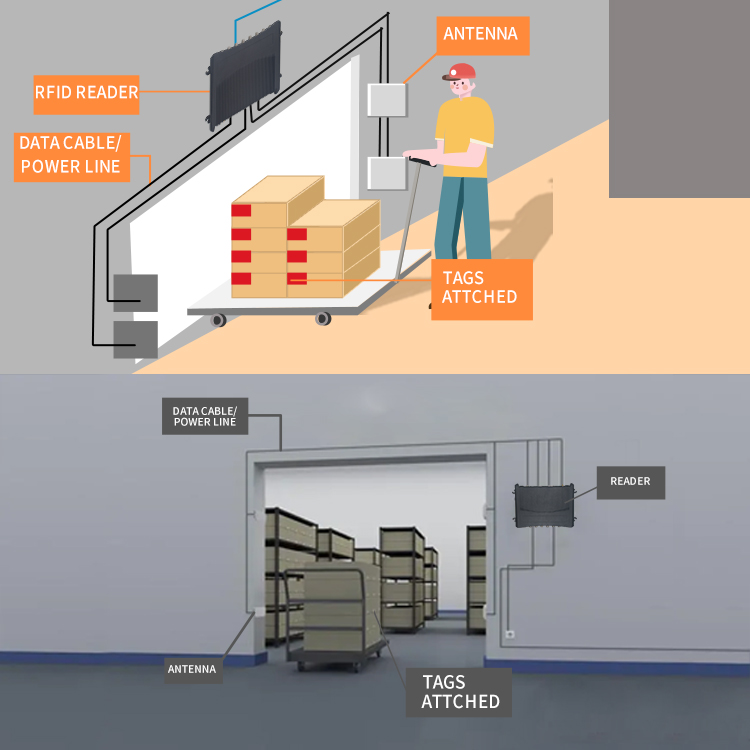
RFID readers are installed at key locations such as:
- Warehouse entrances
- Storage zones
- Packing stations
- Shipping docks
When tagged items pass through, they are automatically detected.
3. Real-Time Data Transmission
The system instantly sends information to warehouse management software (WMS), updating:
- Stock levels
- Location data
- Movement history
4. Inventory Updates and Tracking
Managers can see real-time inventory status without manual counting or scanning.

Key Benefits of NFC RFID Tags in Warehouses
1. Faster Inventory Processing
RFID systems can scan multiple items simultaneously, significantly reducing processing time.
2. Improved Accuracy
Automation reduces human errors commonly found in barcode scanning or manual entry.
3. Real-Time Visibility
Warehouse managers can track inventory movement instantly across all storage areas.
4. Reduced Labor Costs
Less manual scanning means workers can focus on higher-value tasks like logistics coordination.
5. Better Order Fulfillment
Accurate tracking ensures the right products are picked, packed, and shipped on time.
6. Enhanced Loss Prevention
Missing or misplaced items are easier to detect through continuous tracking.
NFC vs RFID in Warehouse Applications
While both technologies are used, RFID is more common in warehouse environments due to its scalability.
- RFID: ideal for bulk scanning, pallets, and logistics tracking
- NFC: used for item-level interaction, authentication, or mobile-based scanning
Many warehouses combine both for maximum efficiency.
Real-World Warehouse Use Cases
Inventory Auditing
RFID scanners can quickly read entire shelves or pallets in seconds.
Shipping and Receiving
Automated scanning ensures accurate tracking of inbound and outbound goods.
Storage Optimization
Real-time data helps optimize warehouse layout and storage efficiency.
Supply Chain Tracking
Items can be tracked across multiple warehouses and distribution centers.
Challenges of Implementing RFID in Warehouses
Despite its advantages, implementation may require:
- Initial investment in RFID infrastructure
- System integration with WMS software
- Proper tag selection for different materials (metal, liquid, etc.)
- Staff training for system adoption
However, long-term efficiency gains typically outweigh these challenges.
Future of Smart Warehouse Tracking
The future of warehouse management is moving toward fully automated, data-driven systems powered by:
- AI-based inventory forecasting
- IoT-connected tracking networks
- Cloud-based warehouse management systems
- Smarter and cheaper RFID tags
NFC RFID technology will continue to be a core part of this transformation.
NFC RFID tags in warehouse smart tracking systems are revolutionizing how inventory is managed, offering real-time visibility, automation, and significantly improved accuracy.
As warehouses continue to scale and digitize operations, RFID technology is becoming an essential foundation for modern logistics efficiency.