



RFID Cable Tracking Solutions for Scalable Industrial Applications
Managing large volumes of cables across warehouses, construction sites, and industrial environments has always been a complex challenge. Cables are often moved, reused, shipped, or temporarily stored in different locations, making it difficult to maintain accurate records.
Traditional tracking methods such as paper logs, barcodes, or manual scanning are no longer sufficient in fast-paced operations. This is why RFID cable tracking is becoming a preferred solution for modern asset management.
What Is RFID Cable Tracking?
RFID cable tracking is a system that uses Radio Frequency Identification (RFID) technology to automatically identify and monitor cables throughout their lifecycle.
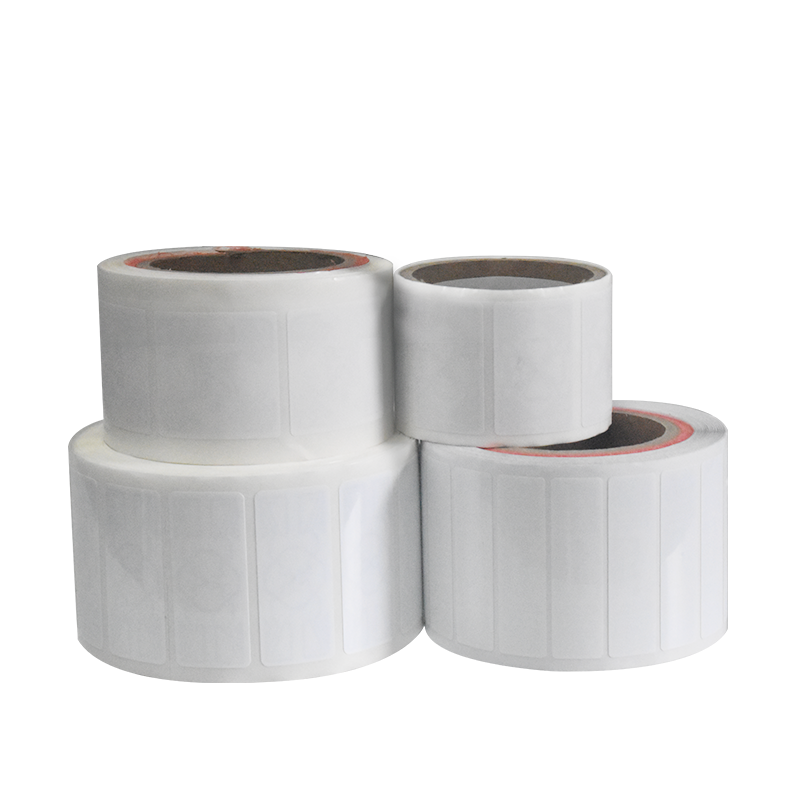
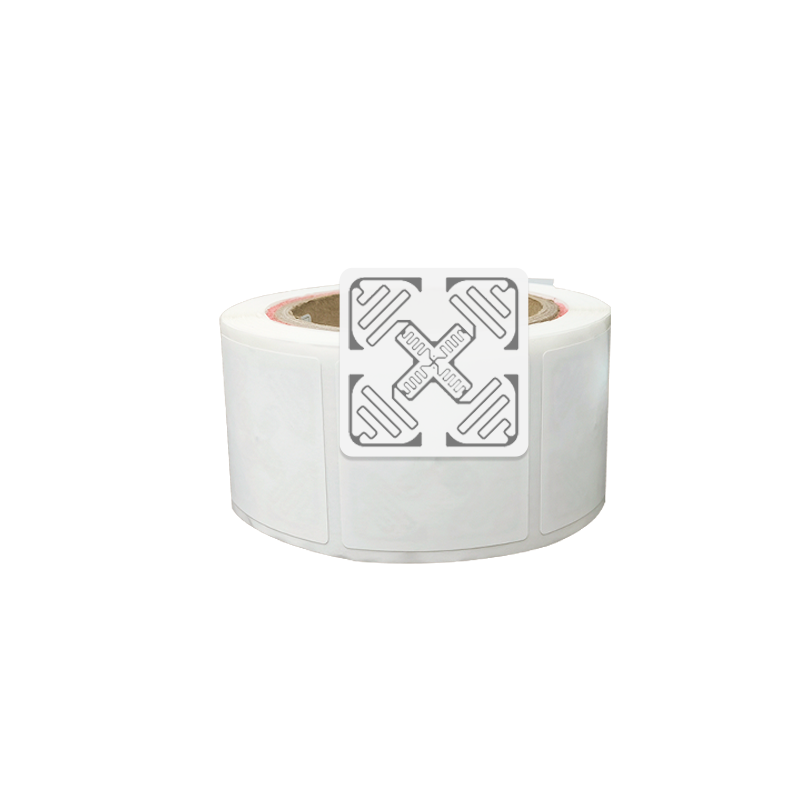
Each cable, spool, or bundle is equipped with an RFID tag that stores a unique identifier. When the tagged item passes near an RFID reader, the system automatically captures and records the data.
Unlike barcodes, RFID does not require direct line-of-sight, making it faster and more reliable in real-world environments.
How RFID Cable Tracking Works
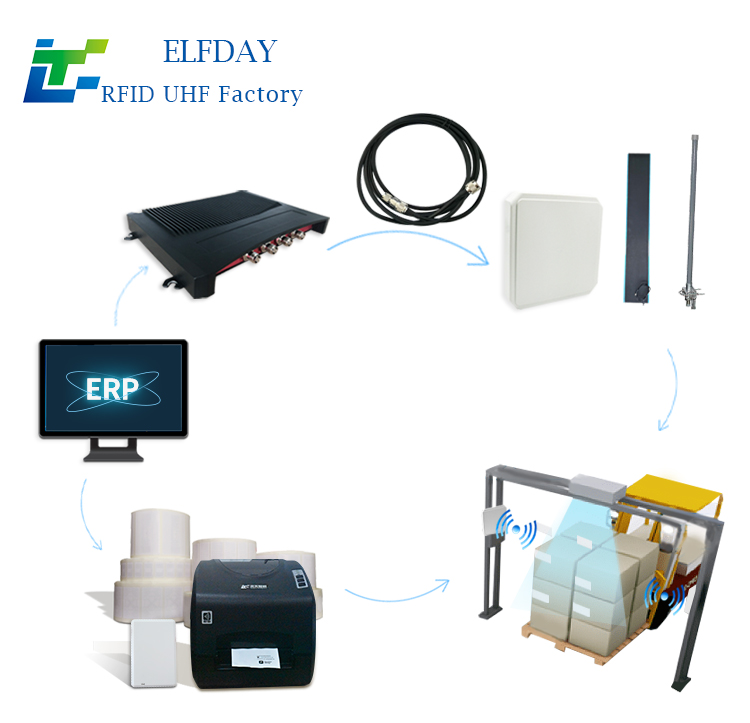
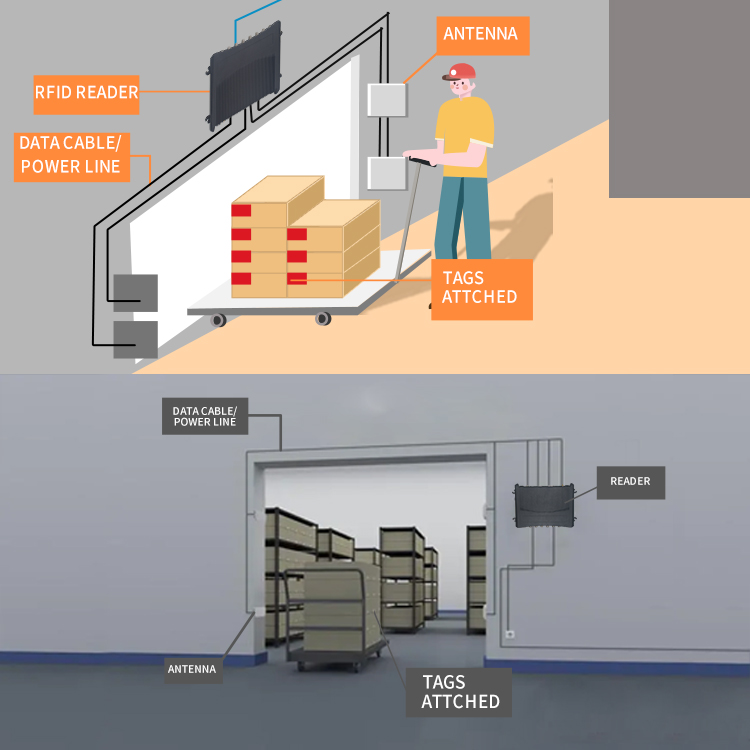
A complete RFID cable tracking system typically includes:
- RFID Tags – Attached to cables, reels, or packaging
- RFID Readers – Installed at entry/exit points, warehouses, or workstations
- A Central Management System – Collects and organizes tracking data in real time
When cables move through a facility, the system automatically updates their status and location. This creates a continuous flow of accurate data without manual input.
Key Benefits of RFID Cable Tracking
1. Real-Time Asset Visibility
RFID provides instant insight into where each cable is located and how it moves through your operations.
2. Reduced Human Error
Manual tracking often leads to mistakes. RFID automation significantly improves data accuracy.
3. Faster Inventory Management
Inventory checks that once took hours or days can now be completed in minutes.
4. Lower Operational Costs
Less manual labor, fewer losses, and improved efficiency all contribute to cost savings.
5. Improved Project Efficiency
Teams can quickly locate required cables, reducing downtime in installation and maintenance tasks.
Where RFID Cable Tracking Is Used
RFID cable tracking is widely adopted in industries that rely on large-scale cable usage, including:
- Telecommunications infrastructure projects
- Electrical power distribution systems
- Data center construction and maintenance
- Oil, gas, and energy operations
- Large industrial manufacturing facilities
In these environments, even small tracking errors can lead to delays and financial loss, making RFID especially valuable.
Challenges and Considerations
While RFID cable tracking offers many advantages, successful implementation requires planning:
- Selecting RFID tags that can withstand heat, pressure, or outdoor conditions
- Ensuring proper reader placement for full coverage
- Integrating with existing inventory or ERP systems
- Managing upfront installation costs
Despite these challenges, most organizations see a strong return on investment through improved efficiency and reduced losses.
The Future of RFID Cable Tracking
As industries move toward automation and digital transformation, RFID cable tracking is becoming part of a larger smart asset management ecosystem.
When combined with IoT systems and cloud-based platforms, it enables full lifecycle tracking—from manufacturing and storage to deployment and maintenance.
This shift is helping companies move from reactive management to predictive, data-driven decision-making.
RFID cable tracking is transforming how businesses manage cable assets by improving accuracy, speed, and visibility. For industries handling large-scale cable operations, it is no longer just an upgrade—it is becoming a necessity.
If your goal is to reduce losses, improve workflow efficiency, and gain real-time control over assets, RFID-based tracking offers a powerful and scalable solution.