



Struggling With Inventory Errors? RFID Inventory Tags Could Be the Fix
Inventory mistakes are more than just small operational issues—they can lead to lost revenue, delayed shipments, and frustrated customers. If your business is still relying on manual tracking or outdated barcode systems, errors are almost unavoidable. The good news is that a smarter solution already exists: RFID inventory tags.
Why Inventory Errors Keep Happening
Most inventory problems come from simple but costly human limitations. Manual scanning, paper logs, and barcode-based systems all depend on line-of-sight and individual accuracy.
Common issues include:
- Miscounted stock during audits
- Missing or misplaced items
- Duplicate data entries
- Delayed updates in inventory systems
- Human scanning errors under pressure
Even a small error rate can scale into major supply chain disruptions over time.
What Are RFID Inventory Tags?
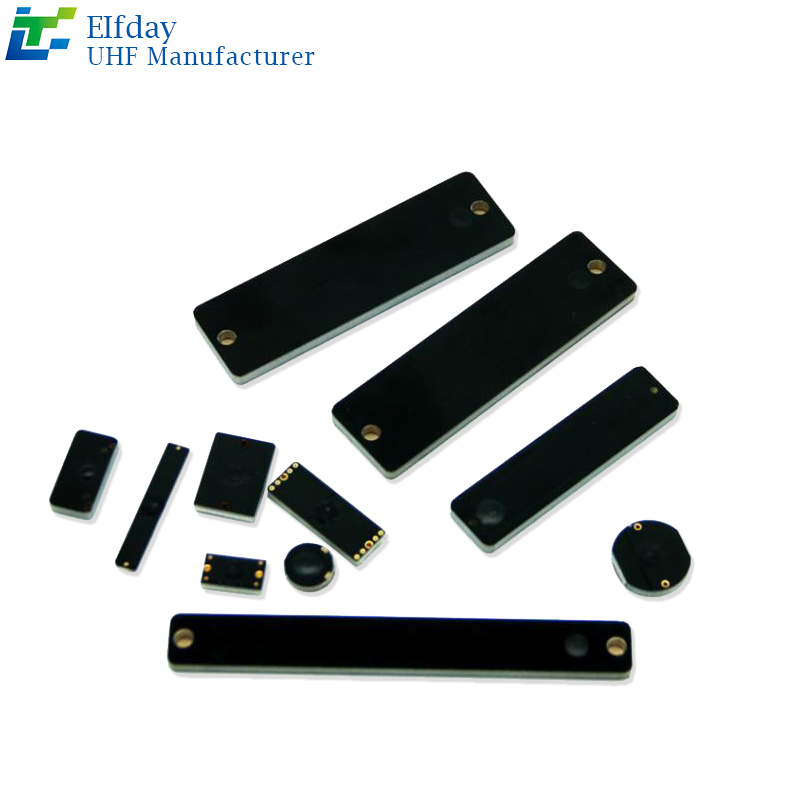
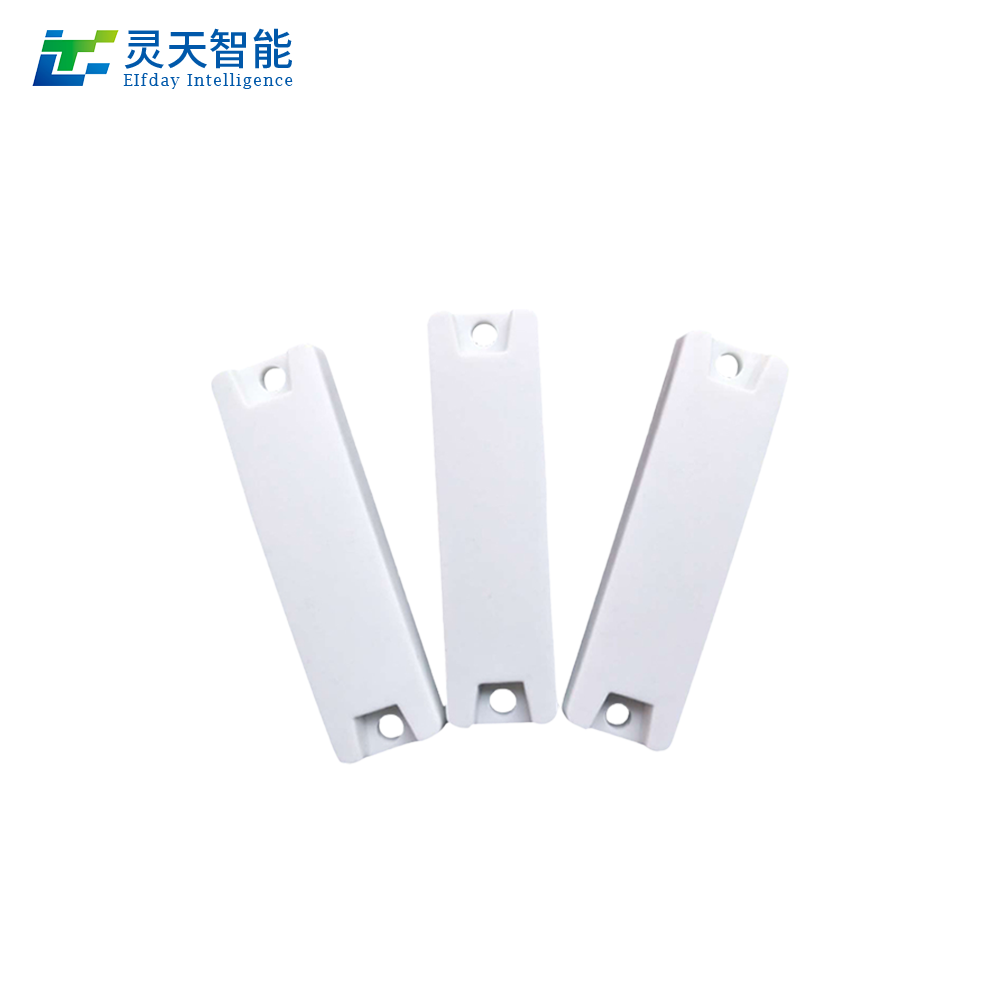
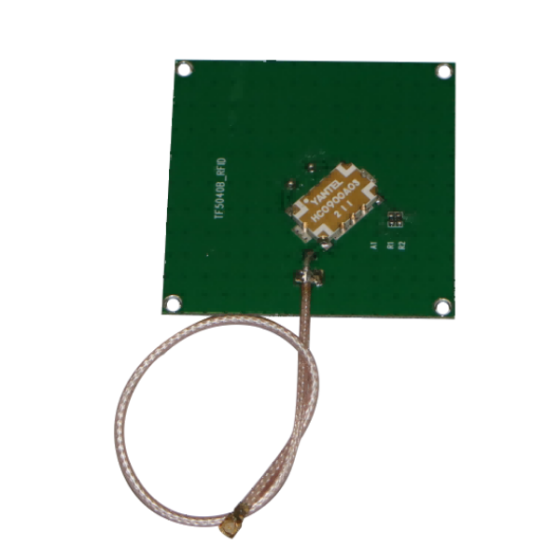
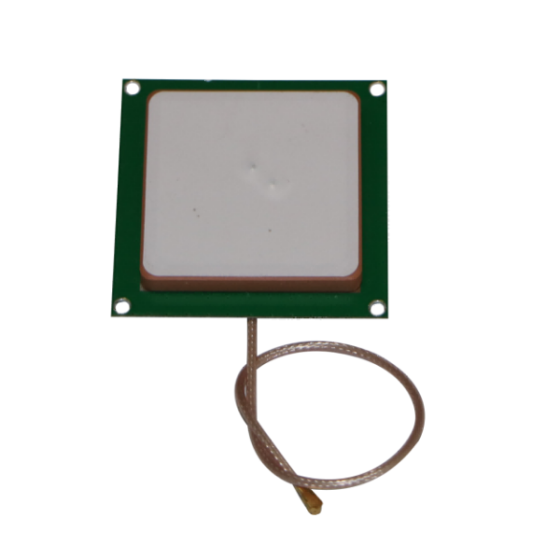
RFID inventory tags (Radio Frequency Identification tags) are small smart labels that store product data and transmit it wirelessly to a reader. Unlike barcodes, they do not require direct line-of-sight scanning.
This means items can be tracked automatically as they move through warehouses, storage rooms, or retail environments.
How RFID Inventory Tags Fix Inventory Errors
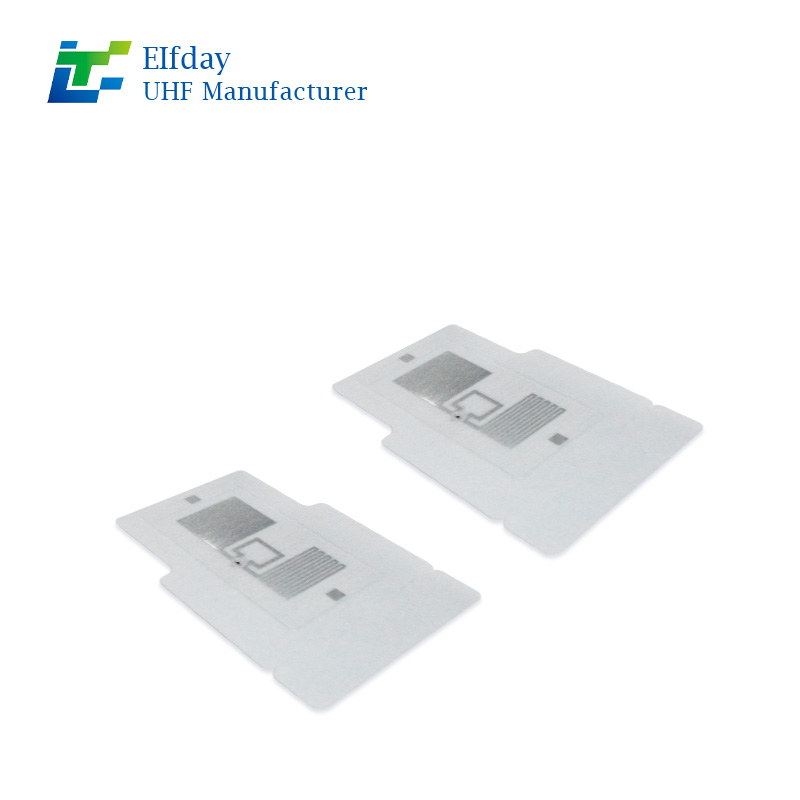
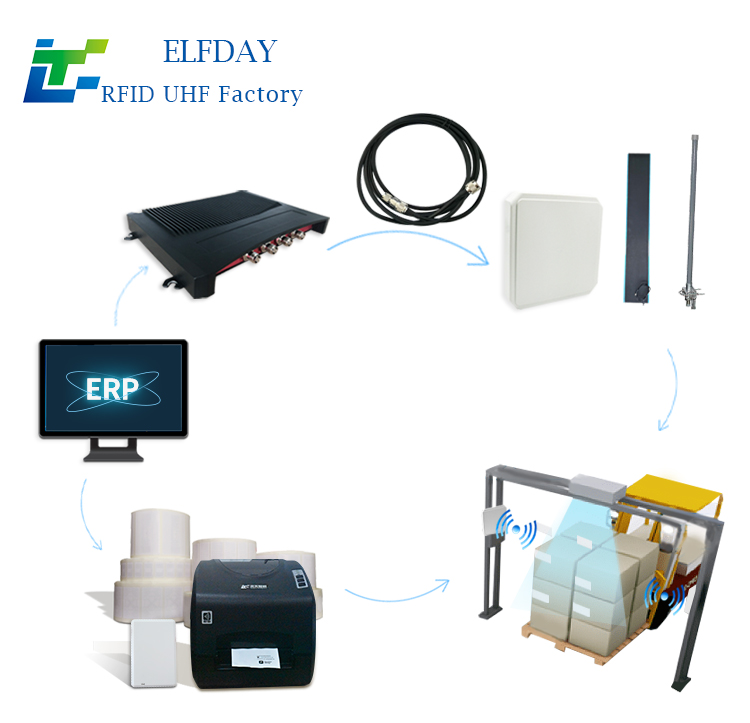
The main advantage of RFID technology is automation. Instead of relying on manual scans, RFID systems continuously collect data in real time.
Here’s how they reduce mistakes:
1. Real-Time Tracking
Inventory is updated instantly when items pass through RFID readers, reducing delays and mismatches.
2. No Line-of-Sight Required
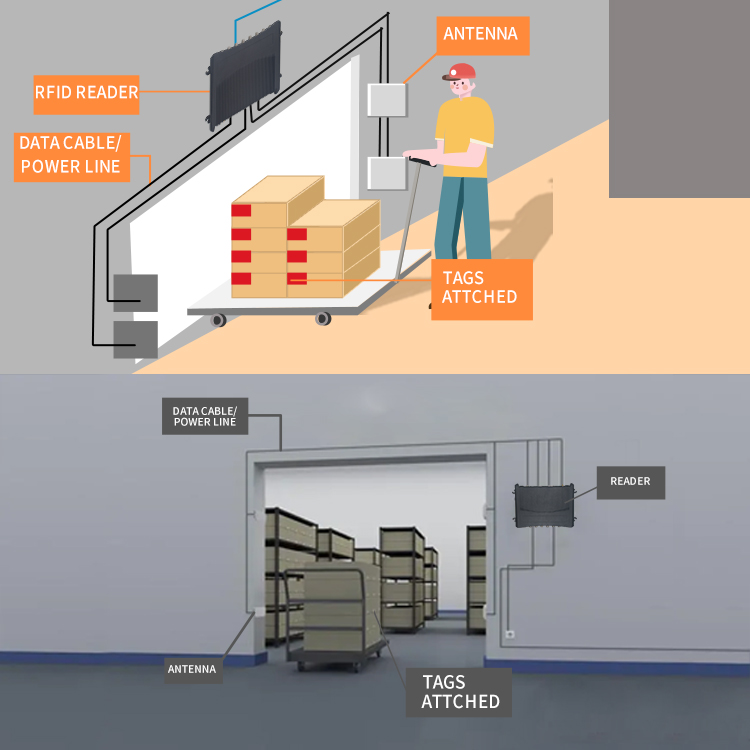
Tags can be read even when hidden inside boxes or pallets, eliminating missed scans.
3. Bulk Scanning Capability
Hundreds of items can be scanned at once, dramatically reducing human error during audits.
4. Higher Data Accuracy
Automated tracking ensures inventory records match physical stock more closely than manual systems.
Where RFID Inventory Tags Make the Biggest Impact
RFID inventory tags are widely used in:
- Warehouses and distribution centers
- Retail inventory management
- Manufacturing supply chains
- Logistics and shipping operations
- Healthcare and pharmaceutical tracking
Any business dealing with large volumes of stock can benefit from improved accuracy and visibility.
RFID vs Barcode: What’s the Real Difference?
While barcodes are still common, they rely heavily on manual scanning. RFID systems, on the other hand, automate the process.
In simple terms:
- Barcodes = manual + slower + error-prone
- RFID inventory tags = automated + faster + more accurate
For businesses scaling operations, this difference becomes critical.
Inventory errors are not just operational headaches—they directly affect profitability and customer satisfaction. Upgrading to RFID inventory tags offers a practical way to reduce mistakes, improve efficiency, and gain real-time control over stock movement.
If your current system feels slow, inconsistent, or error-prone, it may be time to rethink how you track inventory.