



Top Uses of NFC RFID Tags in Everyday Life and Business Operations
In a world increasingly driven by automation and smart connectivity, NFC RFID tags have quietly become one of the most powerful technologies behind everyday convenience and modern business efficiency. From unlocking doors with a tap to tracking millions of products across global supply chains, these tiny chips are transforming how we interact with physical objects.
But what exactly are they used for in real life—and why are businesses rapidly adopting them?
Let’s explore the most impactful applications of NFC RFID tags in both personal and professional environments.
1. Contactless Payments and Smart Wallets
One of the most familiar uses of NFC RFID tags is in contactless payment systems. When you tap your card or smartphone at a checkout terminal, an embedded NFC tag securely transmits encrypted payment data.
This technology is widely used because it is:
- Fast (transactions complete in seconds)
- Secure (tokenized data reduces fraud risk)
- Convenient (no physical contact required)
From grocery stores to public transport, NFC-enabled payments are now a daily habit for millions of users.
2. Inventory Tracking and Warehouse Management
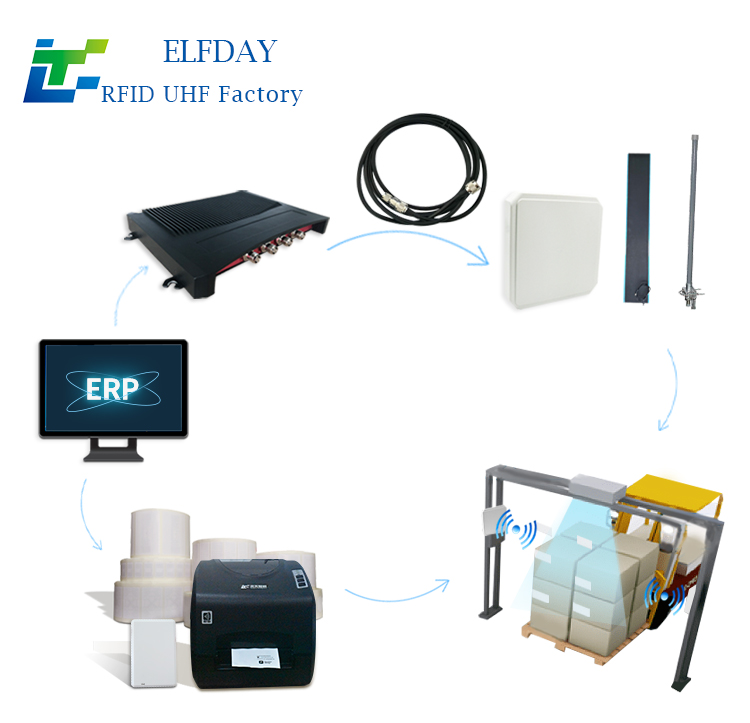
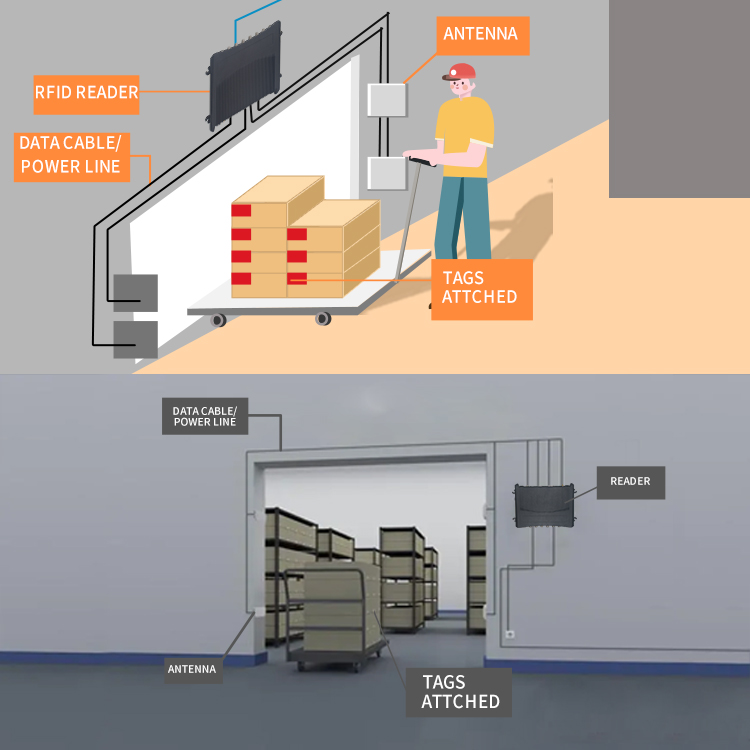
In business operations, RFID tags play a critical role in modern inventory systems. Companies use NFC RFID tags to automatically track goods as they move through warehouses, shipping centers, and retail stores.
Key advantages include:
- Real-time inventory visibility
- Reduced human error
- Faster stock counting processes
- Improved supply chain accuracy
This level of automation helps businesses save time while reducing operational costs.
3. Access Control and Security Systems
NFC RFID tags are widely used for secure access control, replacing traditional keys and manual entry systems.
Common applications include:
- Office building entry cards
- Hotel room key cards
- Employee ID access systems
- Restricted area authentication
With a simple tap, users can gain access while systems automatically log entry data for security tracking.
4. Smart Retail and Product Authentication
Retailers increasingly rely on NFC RFID tags to enhance both customer experience and product integrity.
They are used for:
- Anti-counterfeit product verification
- Smart shelves and automated stock alerts
- Interactive product information via smartphones
Customers can tap a product to instantly view details such as origin, materials, or authenticity certificates, improving trust and transparency.
5. Healthcare and Patient Tracking
In healthcare environments, NFC RFID tags help improve patient safety and operational efficiency.
Applications include:
- Tracking patient wristbands
- Monitoring medication distribution
- Managing medical equipment inventory
- Reducing identification errors
This ensures more accurate treatment and better coordination across departments.
6. Transportation and Smart Ticketing
Public transportation systems increasingly use NFC RFID technology for ticketing and fare collection.
Passengers can simply tap a card or mobile device to:
- Enter subway or bus systems
- Pay fares automatically
- Reduce queues and waiting times
This has significantly improved the efficiency of urban transport networks.
7. Asset Tracking in Enterprises
Large organizations use NFC RFID tags to monitor high-value assets such as:
- IT equipment
- Office electronics
- Industrial machinery
By scanning tags, companies can instantly locate assets, check usage history, and reduce loss or theft.
8. Smart Homes and IoT Integration
In modern smart homes, NFC RFID tags are being integrated into everyday devices.
Examples include:
- Smart locks
- Personalized automation triggers
- NFC-enabled lighting systems
- Home security access controls
A simple tap can trigger multiple automated actions, making home management more seamless.
9. Event Management and Ticketing
Events such as concerts, exhibitions, and conferences use NFC RFID tags for:
- Digital ticket verification
- Cashless payments inside venues
- Attendee tracking and analytics
This reduces fraud while improving crowd management and user experience.
10. Supply Chain Transparency and Logistics
In global logistics, NFC RFID tags provide end-to-end visibility of products as they move across borders and warehouses.
Benefits include:
- Real-time shipment tracking
- Reduced delays and losses
- Better compliance and reporting
This has become essential in industries requiring strict traceability.
From everyday convenience to large-scale industrial automation, NFC RFID tags are reshaping how data is transferred between physical objects and digital systems. Their versatility, speed, and reliability make them a key technology in the future of smart living and business operations.
As adoption continues to grow, we can expect NFC RFID tags to become even more deeply integrated into daily life—often in ways users don’t even notice.